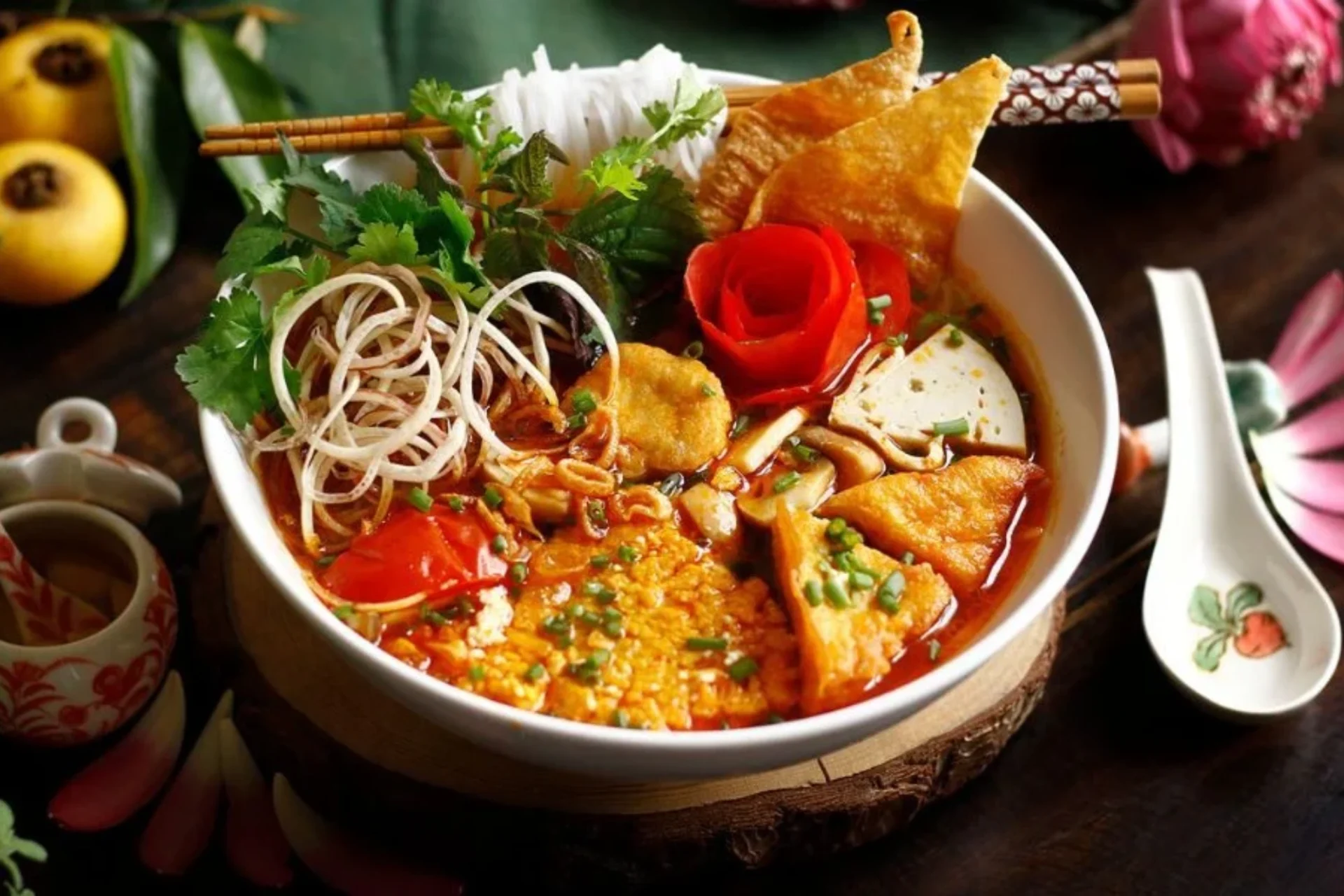
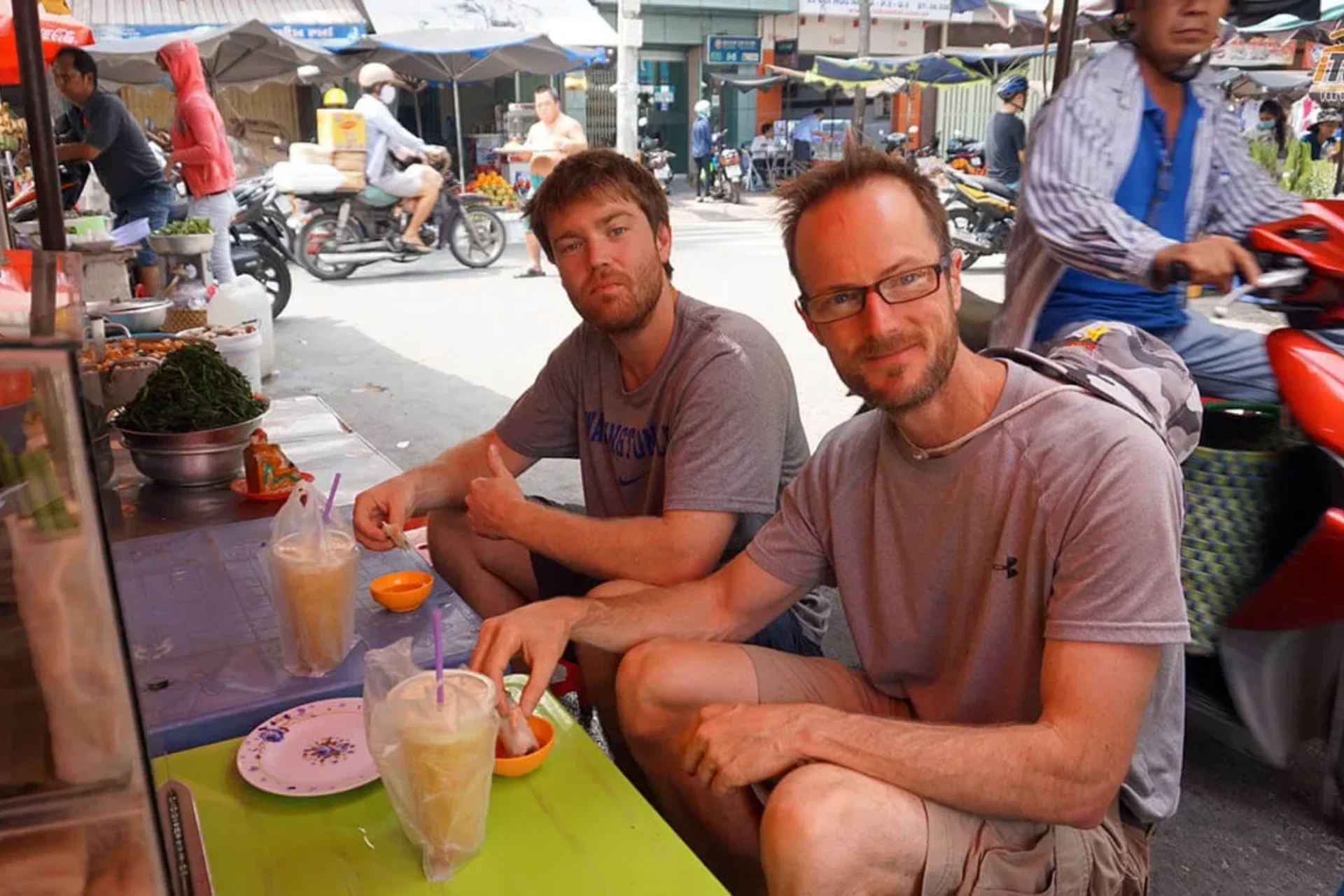
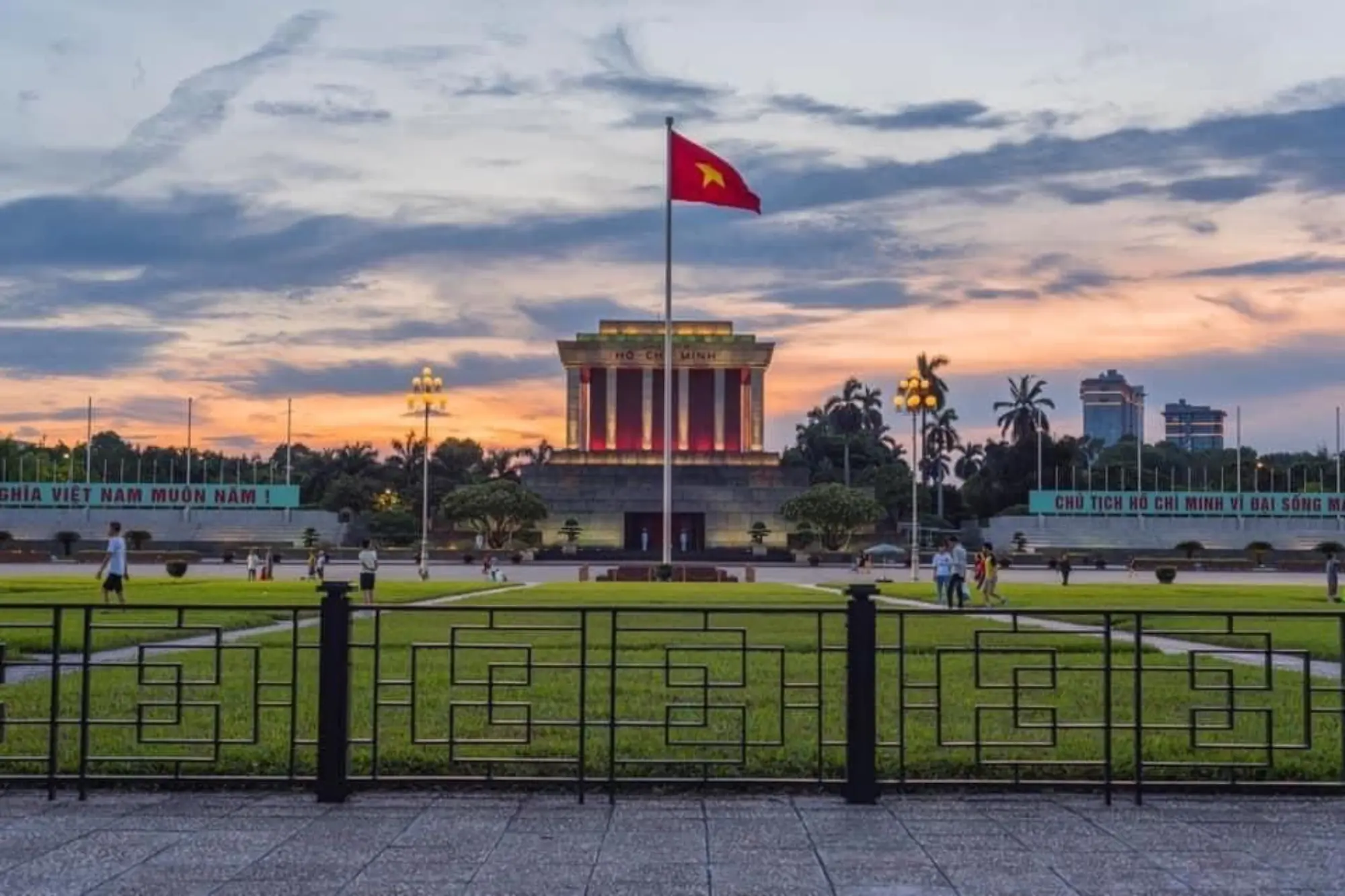
Traveling to Vietnam can feel unfamiliar when everyday customs, communication styles, and social expectations differ from those you know at home. Understanding Vietnam culture and traditions helps you avoid common etiquette mistakes and interact more comfortably with local people. The key is not to memorize every custom before your trip, but to know which behaviors matter most in homes, temples, restaurants, markets, and public spaces. This guide covers practical do’s and don’ts in Vietnam to help travelers navigate local customs and social etiquette rooted in centuries of Vietnam tradition.
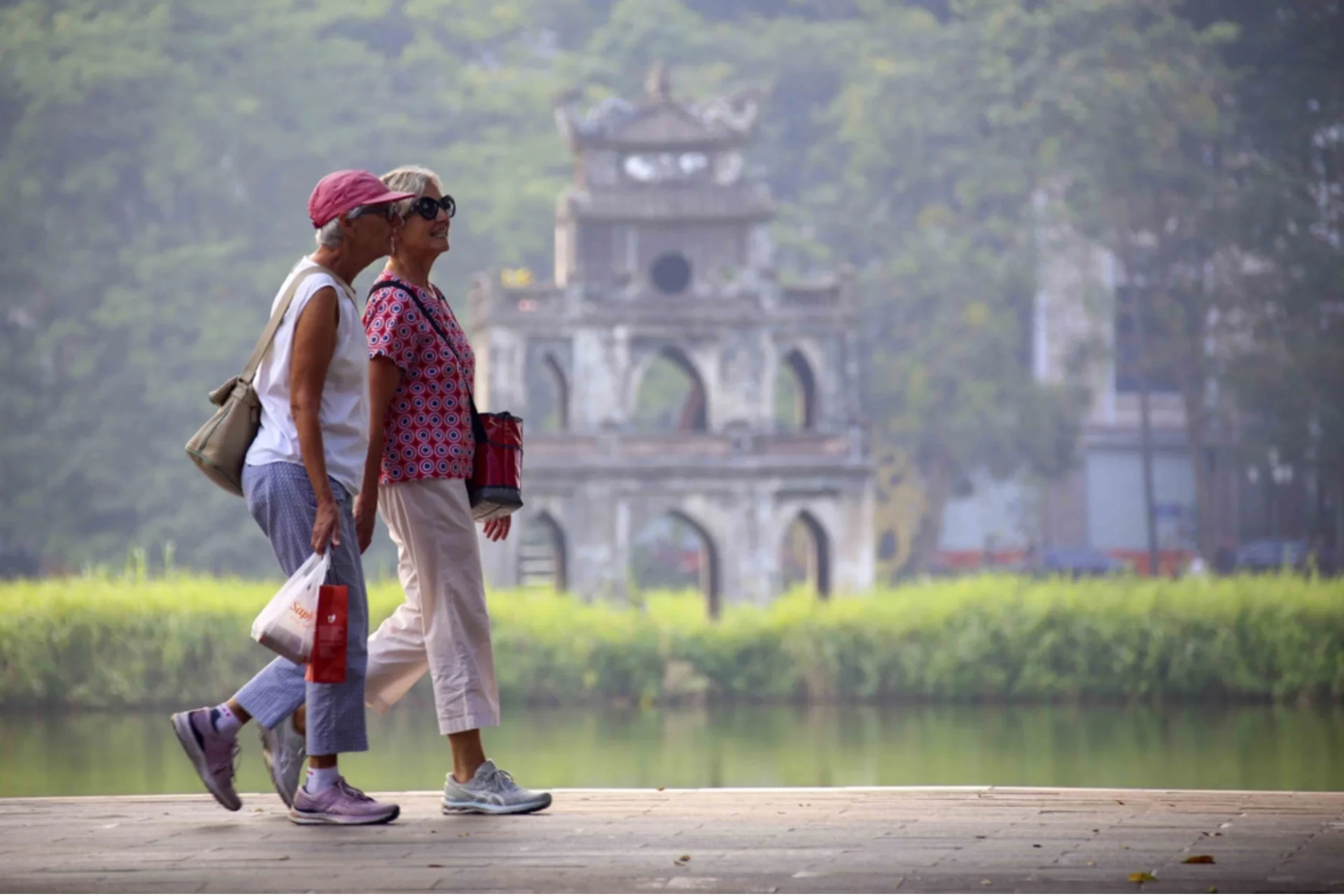
Why Understanding Culture in Vietnam Matters for Travelers
Every country has its own social rhythm, and culture in Vietnam is shaped heavily by Confucian values, respect for family hierarchy, and a strong sense of community. Visitors who take a little time to understand these roots tend to have smoother, warmer interactions – locals notice the effort, not the perfection.
10 Essential Do’s in Vietnam for Foreign Travelers
1. Do greet people with a smile
A smile, a simple “Xin chào” (hello), and “Cảm ơn” (thank you) go a long way in everyday interactions. Locals appreciate the effort more than the accuracy of your pronunciation, so there’s no pressure to master the language.
2. Do show respect to older people
Age has an important place in Vietnamese social relationships, particularly within families and traditional settings. Respect for elders is one of the most enduring parts of Vietnam tradition. When meeting a family, greeting older members first is a simple way to show respect. Vietnamese also use terms such as anh, chị, cô, chú, ông, and bà depending on the person’s age and relationship to the speaker. You do not need to master every Vietnamese pronoun before arriving. If you are uncertain, a polite smile and a simple greeting are better than using an inappropriate form of address confidently.
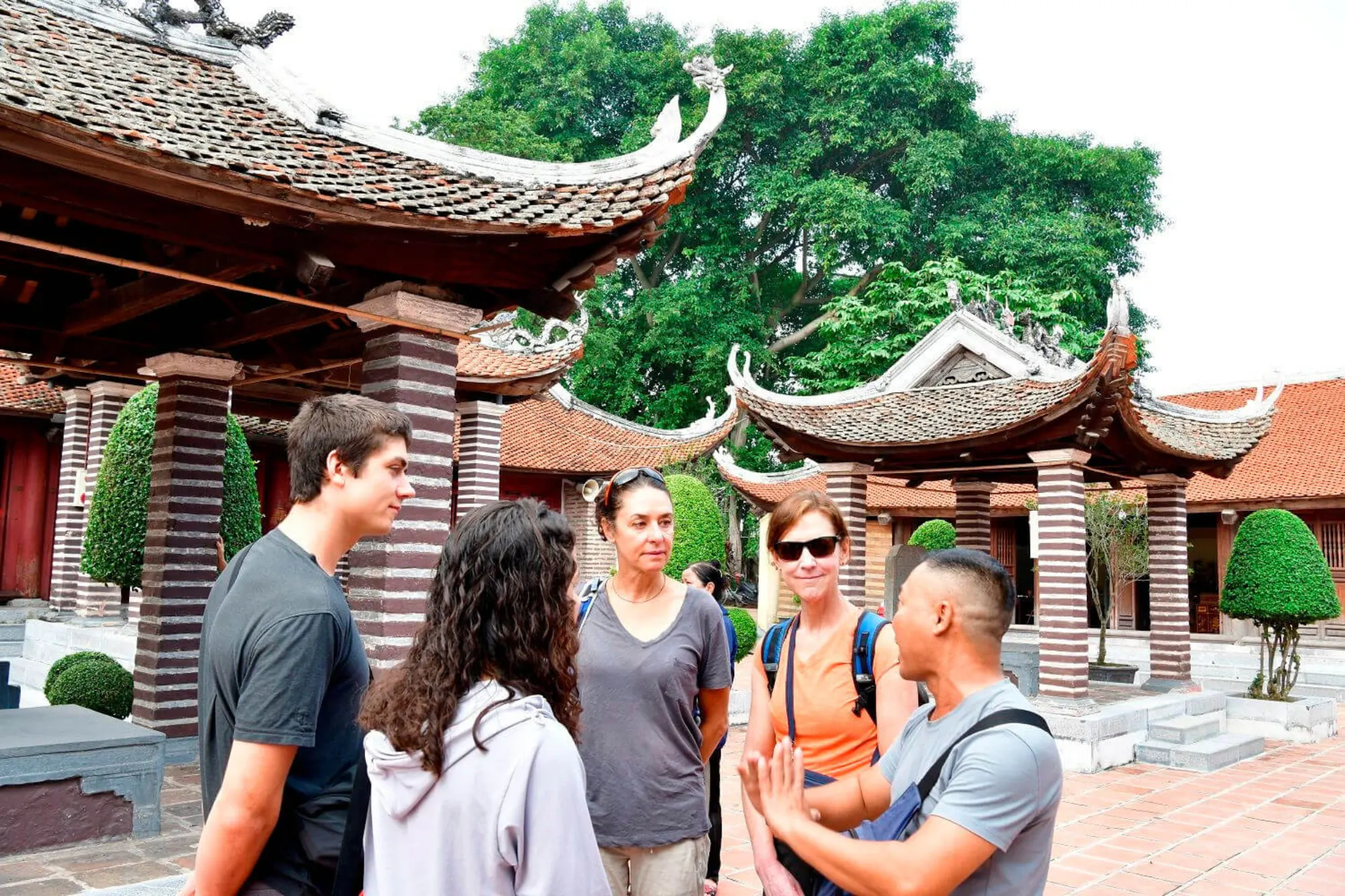
3. Do dress modestly at temples and religious sites
Cover your shoulders and knees before stepping into a pagoda or temple. Skip beachwear, sheer fabrics, and very short shorts at religious sites, even during hot weather. Packing a light scarf or shawl solves this instantly if you show up dressed too casually.
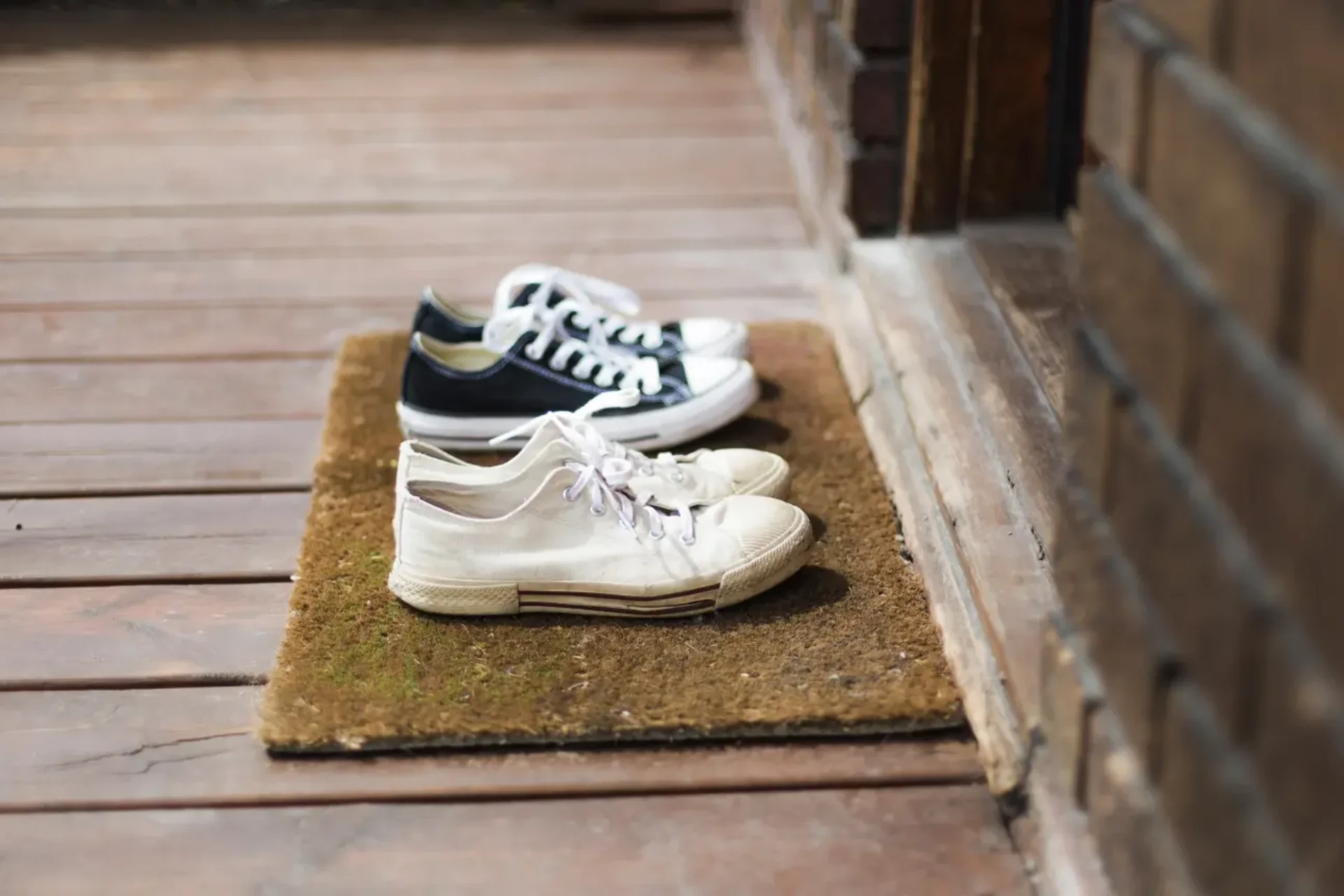
4. Do remove your shoes when appropriate
Take your shoes off before entering a Vietnamese home and at many temples and pagodas. Check for a shoe rack near the entrance, or simply follow what local visitors are doing, before assuming shoes are required or not.
5. Do ask before taking someone’s photo
Ask permission before photographing local vendors, elderly residents, or children, especially for close-up shots. A smile and a gesture toward your camera usually communicates the request clearly enough. If someone declines, respect that answer and move on.
6. Do follow Vietnamese table manners
Wait for the host or the oldest person at the table to start eating in a family meal setting. Dishes are typically shared rather than plated individually, so use the communal serving spoon or chopsticks when one is provided. Avoid sticking your chopsticks upright in a bowl of rice – it resembles incense burned for the dead and is considered a bad omen. Table manners like these are among the most visible parts of Vietnam culture and traditions at a family gathering.
7. Do use your hands and gestures respectfully
Use an open hand rather than a single finger to point at something or someone. Be careful about touching a person’s head or patting an older adult’s shoulder, since both gestures carry more weight in Vietnam than they do in many Western cultures.
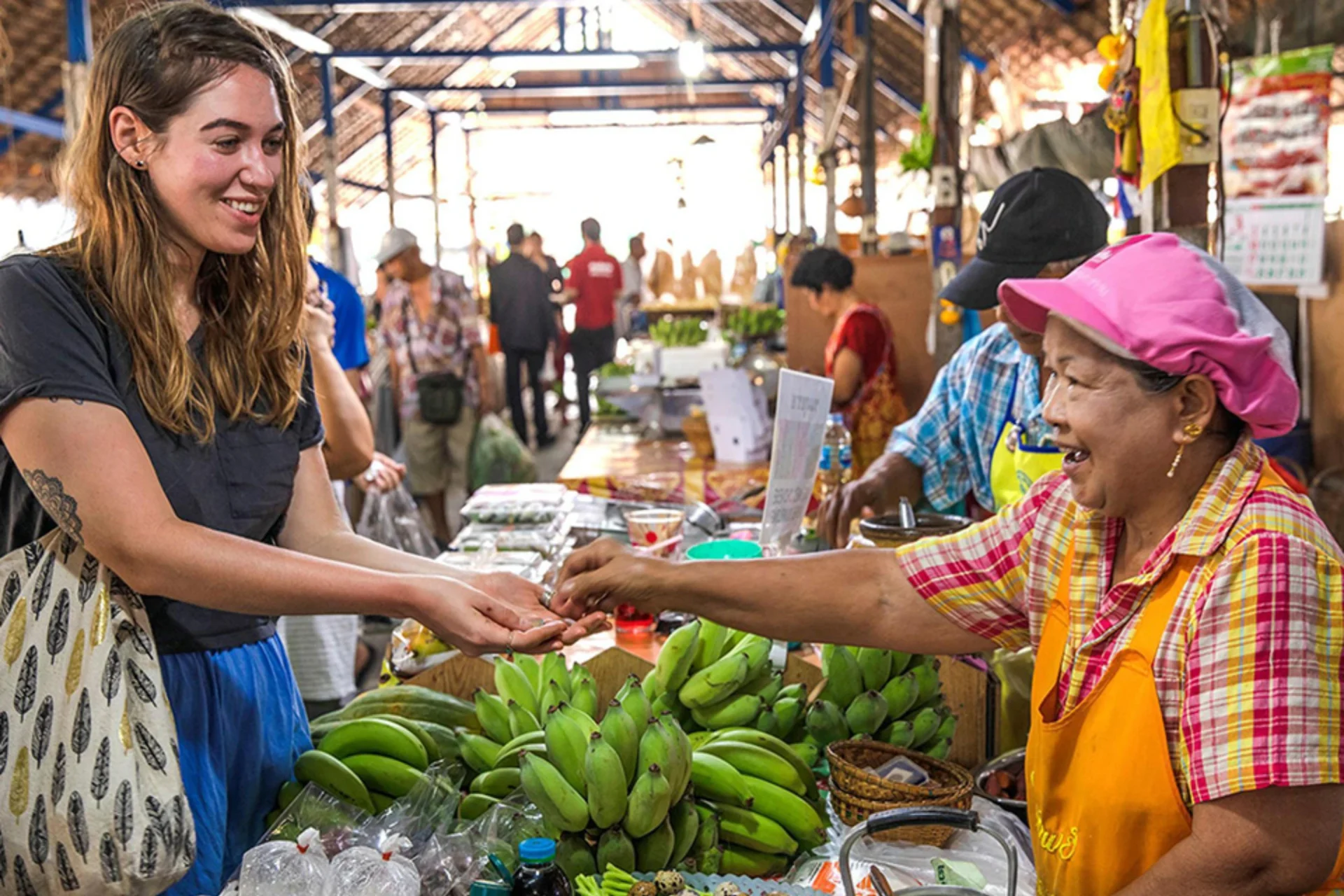
8. Do bargain politely at traditional markets
Negotiating is expected at open-air markets, though not at supermarkets or stores with fixed price tags. Keep the exchange lighthearted rather than confrontational – a smile gets you further than a firm stance. Walking away calmly during negotiation is normal practice, not a rude gesture.
9. Do keep an open mind about Vietnamese food
Try a local dish if it looks appealing, even when the ingredients or presentation feel unfamiliar. If something isn’t to your taste, decline politely instead of commenting on it. Criticizing a dish in front of the cook or the person who invited you is considered impolite.
10. Do keep an eye on your belongings
Petty theft, not violent crime, is the main risk tourists face in Vietnam, so ordinary street awareness is enough. Keep your phone, cash, and passport secured, especially in crowded markets, bus stations, and festival crowds. There’s no need for constant worry – the same caution you’d use in any major city applies here.
Don’ts in Vietnam: Common Cultural Mistakes to Avoid
1. Don’t lose your temper in public
Raising your voice, arguing loudly, or confronting someone in front of others tends to backfire in Vietnam. Public conflict causes both sides to lose face, a concept locals actively try to avoid. If a situation turns unpleasant, disengage calmly or ask staff for help rather than escalating on the spot.
2. Don’t touch someone’s head
The head carries particular significance in Vietnamese custom, especially for older people. Don’t treat touching it as a casual, friendly gesture – even with children – unless you know the family well.
3. Don’t point at people with your finger or feet
Use an open hand or a nod instead of pointing a finger directly at someone. Feet are considered the least respectful part of the body, so never use one to point at a person, an object, or a religious item.
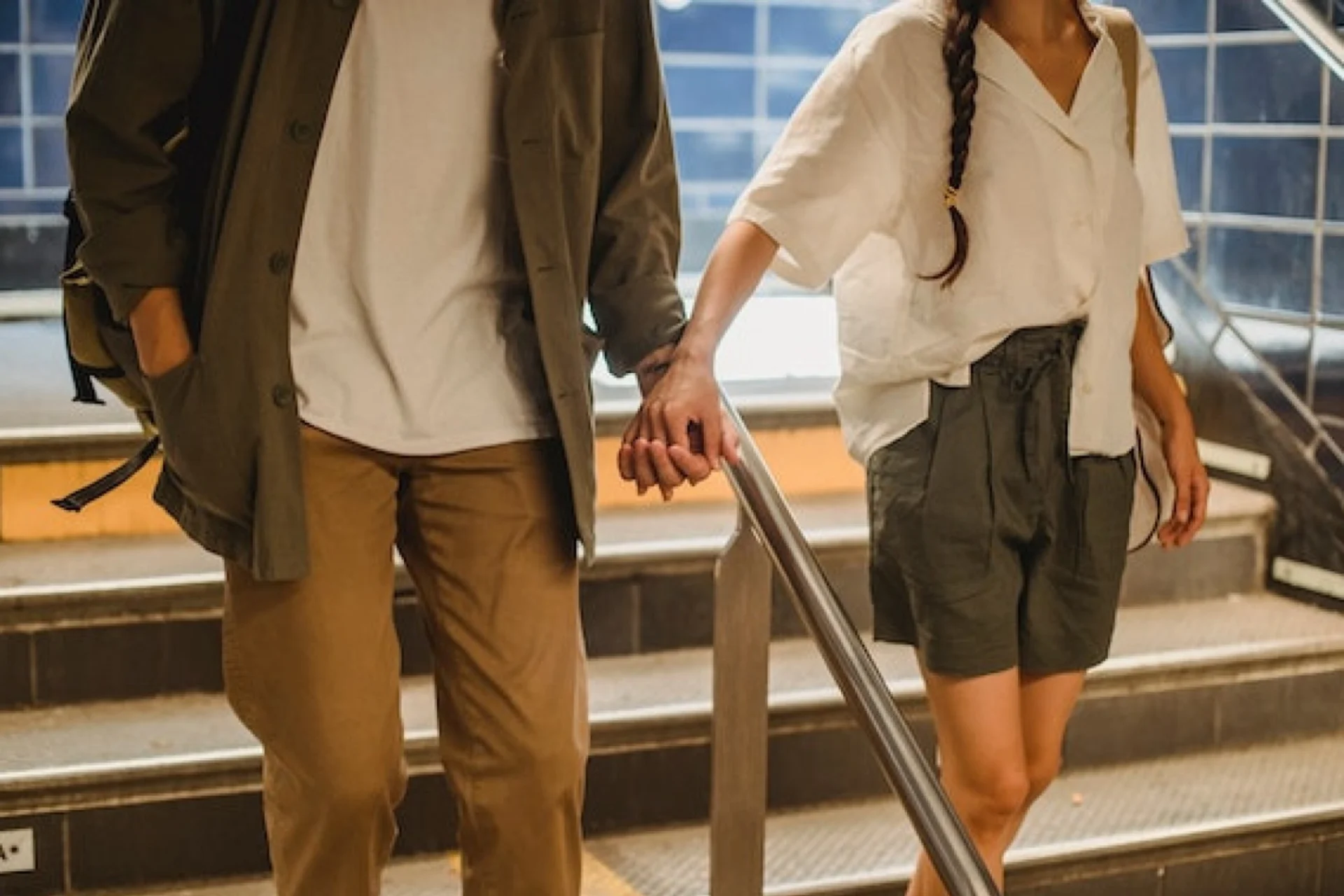
4. Don’t show excessive affection in public
Public displays of affection beyond holding hands are uncommon, particularly outside major cities and among older generations. Save kissing or prolonged hugging for private settings, and read the room in more conservative areas.
5. Don’t discuss sensitive political topics casually
Politics and government criticism are generally avoided in casual conversation, even in friendly settings. If the topic comes up, it’s best to listen rather than share strong opinions.
6. Don’t disrespect religious or national symbols
Avoid joking about the national flag or other national symbols, even lightheartedly. Keep your tone and behavior measured at pagodas, temples, and memorial sites, and follow any posted photography restrictions exactly.
7. Don’t litter or damage cultural sites
Don’t leave trash at heritage sites, climb onto ancient structures, or touch fragile artifacts for a photo. Many of these sites have limited protection and no easy way to repair damage once it happens.
8. Don’t ignore local traffic rules
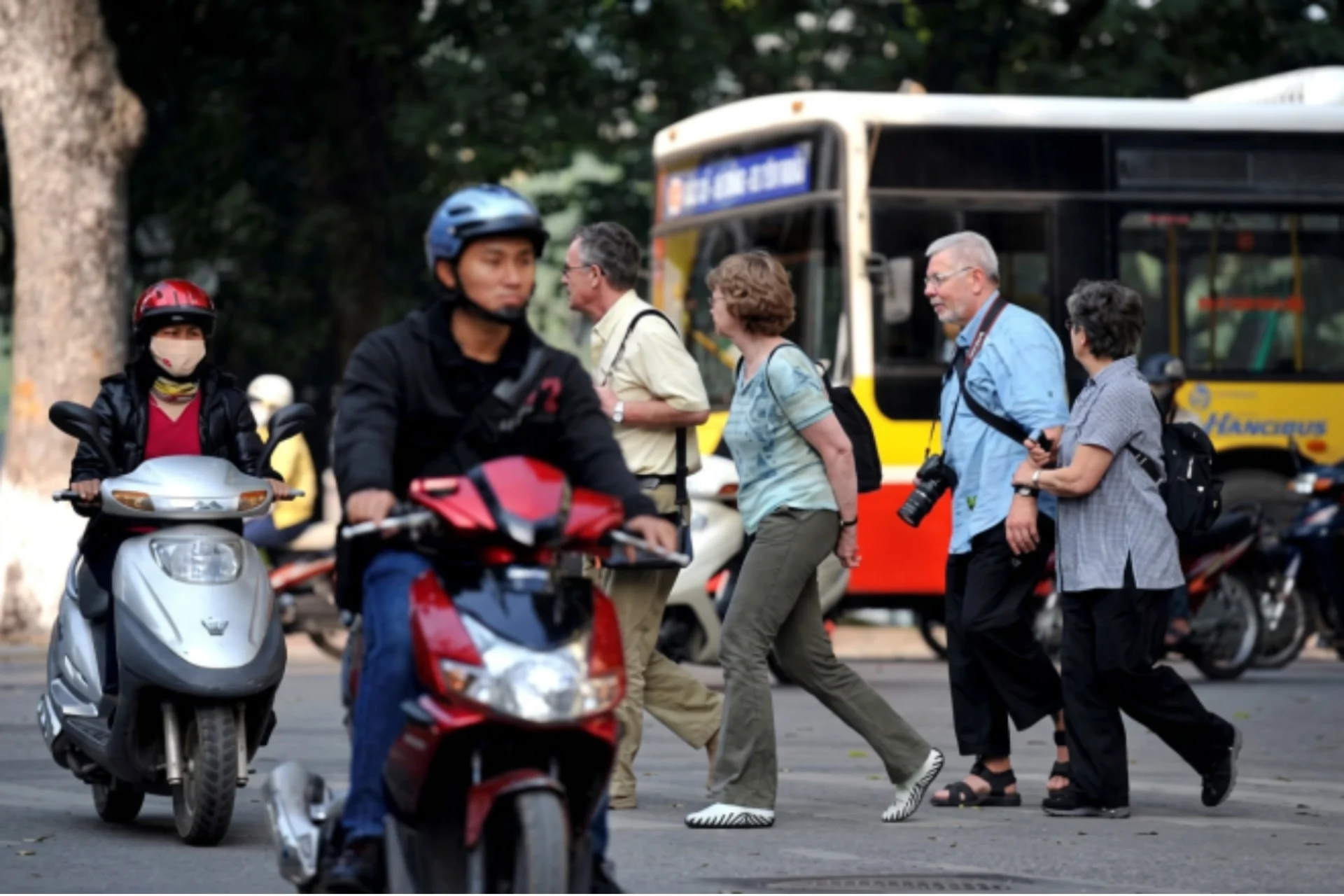
Vietnam’s roads carry heavy motorbike traffic, and casual observance of traffic rules among local drivers is common, so extra caution matters. Wear a helmet by law any time you ride a motorbike, whether as a driver or a passenger. Cross streets at a steady, predictable pace rather than stopping and starting, since drivers are used to flowing around pedestrians who keep moving.
Quick Do’s and Don’ts in Vietnam for First-Time Visitors
Situation | Do | Don’t |
| Greetings | Smile and say “Xin chào” | Skip age-based titles with elders |
| Temples & pagodas | Cover shoulders and knees | Wear beachwear or short shorts |
| Homes & some temples | Remove your shoes | Walk in with shoes on |
| Photographing locals | Ask first | Take close-ups without asking |
| Family meals | Wait for the host to start | Stick chopsticks upright in rice |
| Gestures | Use an open hand | Point with a finger or your foot |
| Markets | Bargain with a smile | Turn negotiation into an argument |
| Public disagreements | Stay calm and polite | Raise your voice or confront someone |
| Traffic | Wear a helmet, cross steadily | Assume drivers will stop for you |
| Belongings | Keep valuables secured | Leave bags unattended in crowds |
Vietnamese Cultural Tips to Remember
- Respect older people – a core value in Vietnam tradition.
- Dress modestly at religious sites.
- Ask before taking photographs.
- Remove shoes when entering appropriate places.
- Use your hands and gestures carefully.
- Stay calm during disagreements.
- Keep an open mind about local food and customs.
- Observe local behavior when you are unsure – it’s often the fastest way to understand culture in Vietnam in practice.
Frequently Asked Questions About Vietnam Culture and Traditions
What are the most important cultural rules in Vietnam?
Respect for elders, modest dress at religious sites, and staying calm during disagreements top the list. These three areas cause the most confusion for first-time visitors, so getting them right avoids most common mistakes.
What should I wear when visiting temples in Vietnam?
Cover your shoulders and knees, and skip sheer or very short clothing. A light scarf works well if you’re caught in beachwear or summer clothes near a pagoda.
Can I take photos of Vietnamese people?
Yes, but ask first, especially for close-up shots of vendors, elderly residents, or children. If someone says no, respect that and move on without pushing.
Is tipping part of Vietnamese culture?
Tipping isn’t a strict local tradition, but it’s increasingly common in tourist-facing restaurants, hotels, and tour services. A small amount for good service is appreciated, though it’s rarely expected the way it is in the U.S.
Final Thoughts
Vietnam culture and traditions can feel unfamiliar on paper, but in practice, most of it comes down to a handful of habits: greet people warmly, dress with a bit of modesty at religious sites, stay calm during disagreements, and ask before photographing someone. None of it requires perfection – locals notice the effort, not flawless execution. Keep this guide handy during your trip, and the small decisions that used to feel uncertain will start to feel automatic.
If you’d rather have these details handled for you, Nicetrips builds Vietnam itineraries with cultural context woven into every stop, guided by local experts who know exactly when a temple calls for modest dress or when to slow down for a shared meal. Browse our Vietnam tour packages, or check the Nicetrips blog for more destination guides before you go.