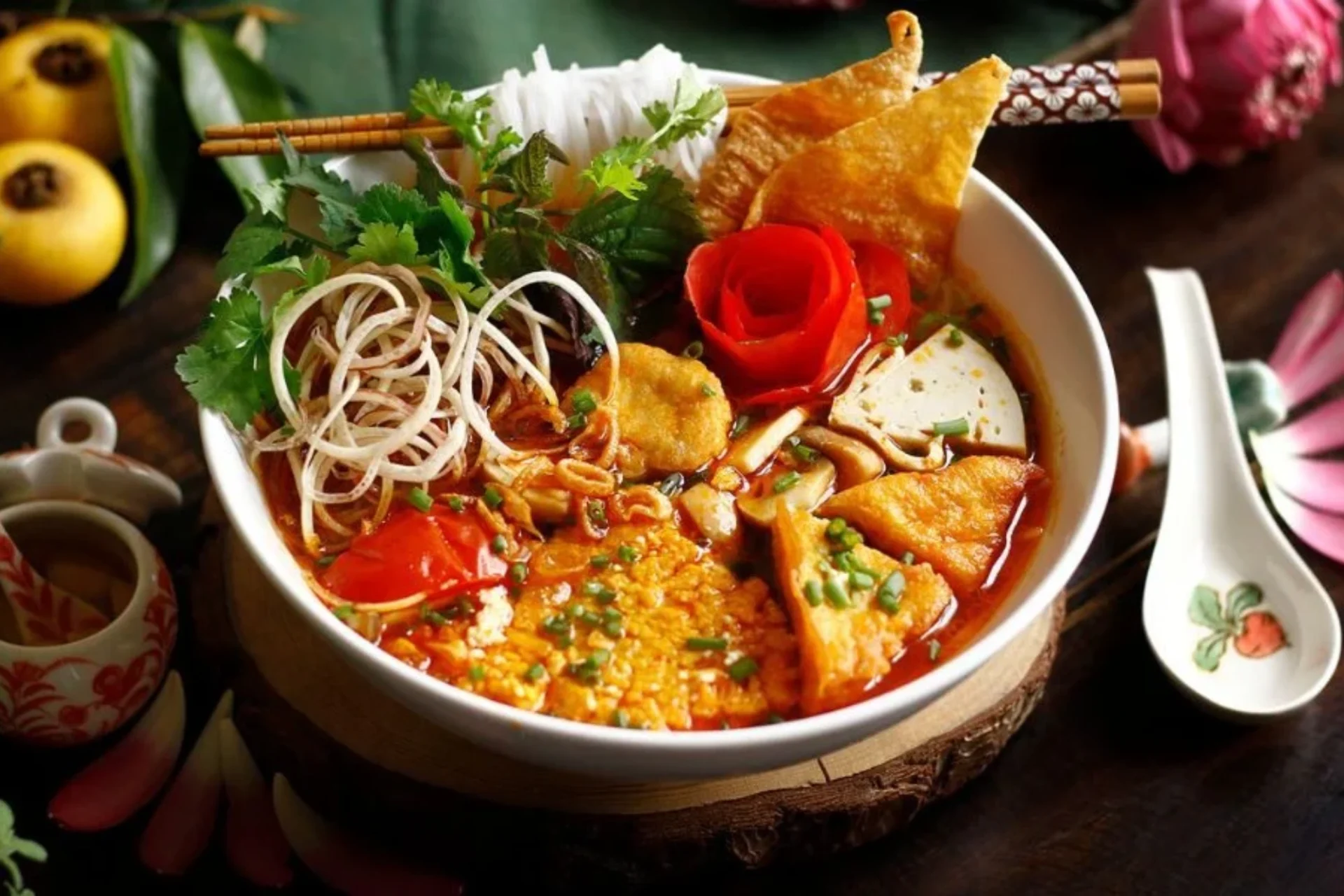
The top 10 delicious Japanese foods you should try in Japan include sushi, ramen, tempura, yakitori, okonomiyaki, takoyaki, udon, soba, tonkatsu, and unagi. These dishes represent different parts of Japanese cuisine, from fresh seafood and noodle dishes to grilled meats, regional specialties, and traditional comfort foods. Japan’s food culture varies significantly by region, so where you eat can be just as important as what you order. If you’re visiting Japan for the first time, this guide covers 10 Japanese foods worth adding to your itinerary, what each dish is, where to try it, and what to know before ordering.
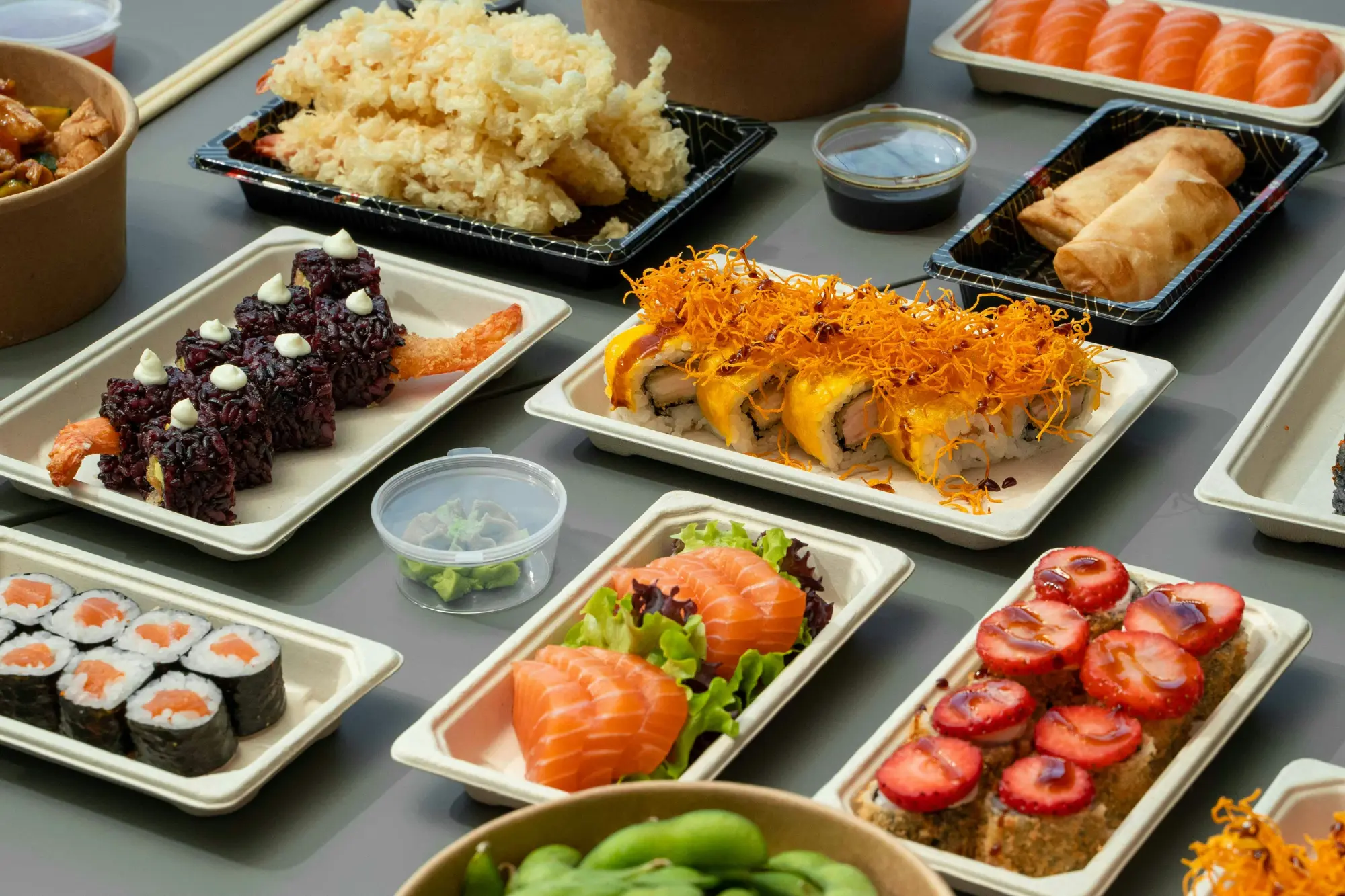
Top 10 delicious Japanese foods at a Glance
Before exploring each dish in detail, here’s a quick overview of the best Japanese foods to try in Japan.
| Japanese Food | What It Is | Best Place to Try |
| Sushi | Vinegared rice with seafood or other toppings | Tokyo |
| Ramen | Noodles served in a flavorful broth | Tokyo, Fukuoka, Sapporo |
| Tempura | Lightly battered and fried seafood or vegetables | Tokyo |
| Yakitori | Grilled chicken skewers | Tokyo, Osaka |
| Okonomiyaki | Savory Japanese pancake | Osaka, Hiroshima |
| Takoyaki | Batter balls filled with octopus | Osaka |
| Udon | Thick wheat noodles | Kagawa, Osaka |
| Soba | Buckwheat noodles | Nagano, Tokyo |
| Tonkatsu | Breaded and fried pork cutlet | Tokyo |
| Unagi | Grilled freshwater eel with a sweet-savory sauce | Nagoya |
These dishes are widely available, but trying them in their regional home can add another layer to the experience.
Sushi
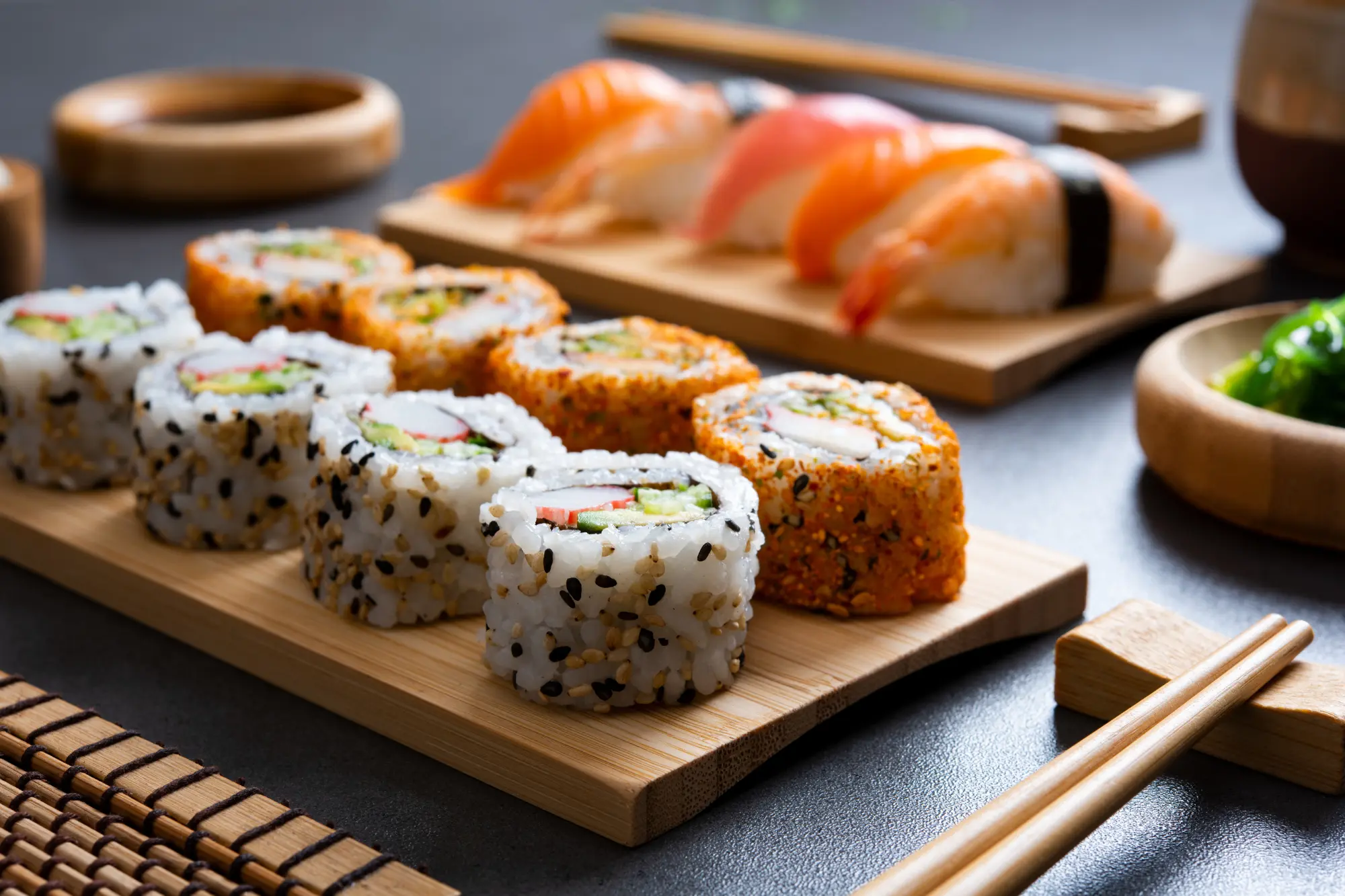
Sushi is one of the most famous Japanese foods and a must-try dish for first-time visitors to Japan. It combines vinegared rice with ingredients such as raw or cooked seafood, egg, or vegetables.
Japan offers many types of sushi, including nigiri, maki, and gunkan. Nigiri is particularly useful for first-time visitors because the toppings and rice are served separately from the rolled varieties commonly found overseas.
Tokyo is an excellent place to try sushi because of its enormous selection of sushi restaurants and access to high-quality seafood. You can find everything from affordable conveyor-belt sushi to specialized sushi counters.
Try: tuna, salmon, sea urchin, eel, and seasonal fish.
Tip: At traditional sushi restaurants, the chef may serve pieces individually, so eat each piece soon after it is prepared.
Ramen
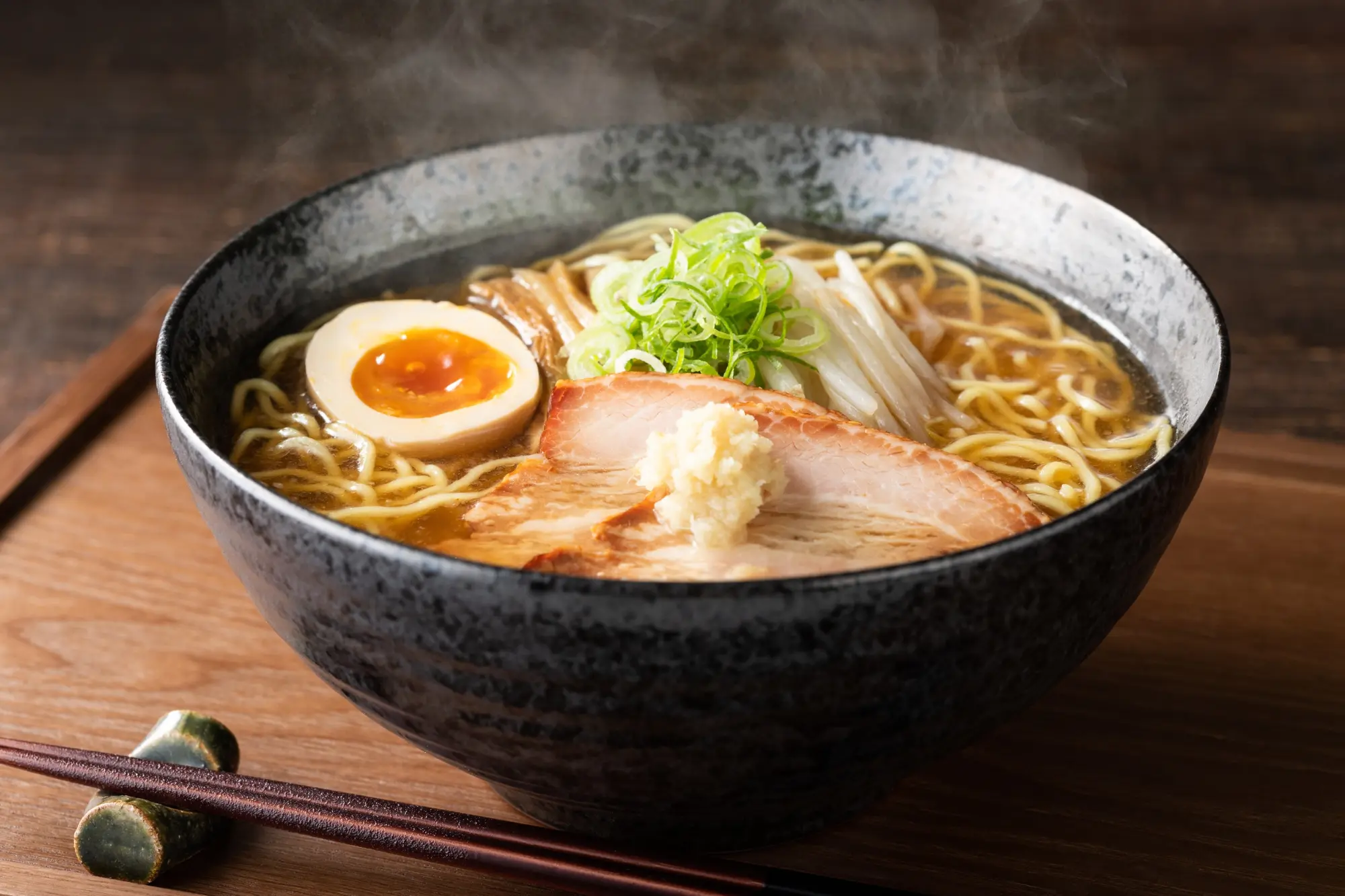
Ramen is a Japanese noodle soup made with wheat noodles, broth, and toppings such as chashu pork, green onions, bamboo shoots, and eggs. It is one of the easiest Japanese foods to find throughout the country.
The broth varies considerably by region. Tonkotsu ramen is strongly associated with Fukuoka, miso ramen is a specialty of Sapporo, while Tokyo is known for soy-sauce-based ramen.
A ramen meal is also relatively easy to fit into a travel budget, making it a practical choice between sightseeing stops.
Try: tonkotsu ramen in Fukuoka or Hakata, miso ramen in Sapporo, and shoyu ramen in Tokyo.
Tempura
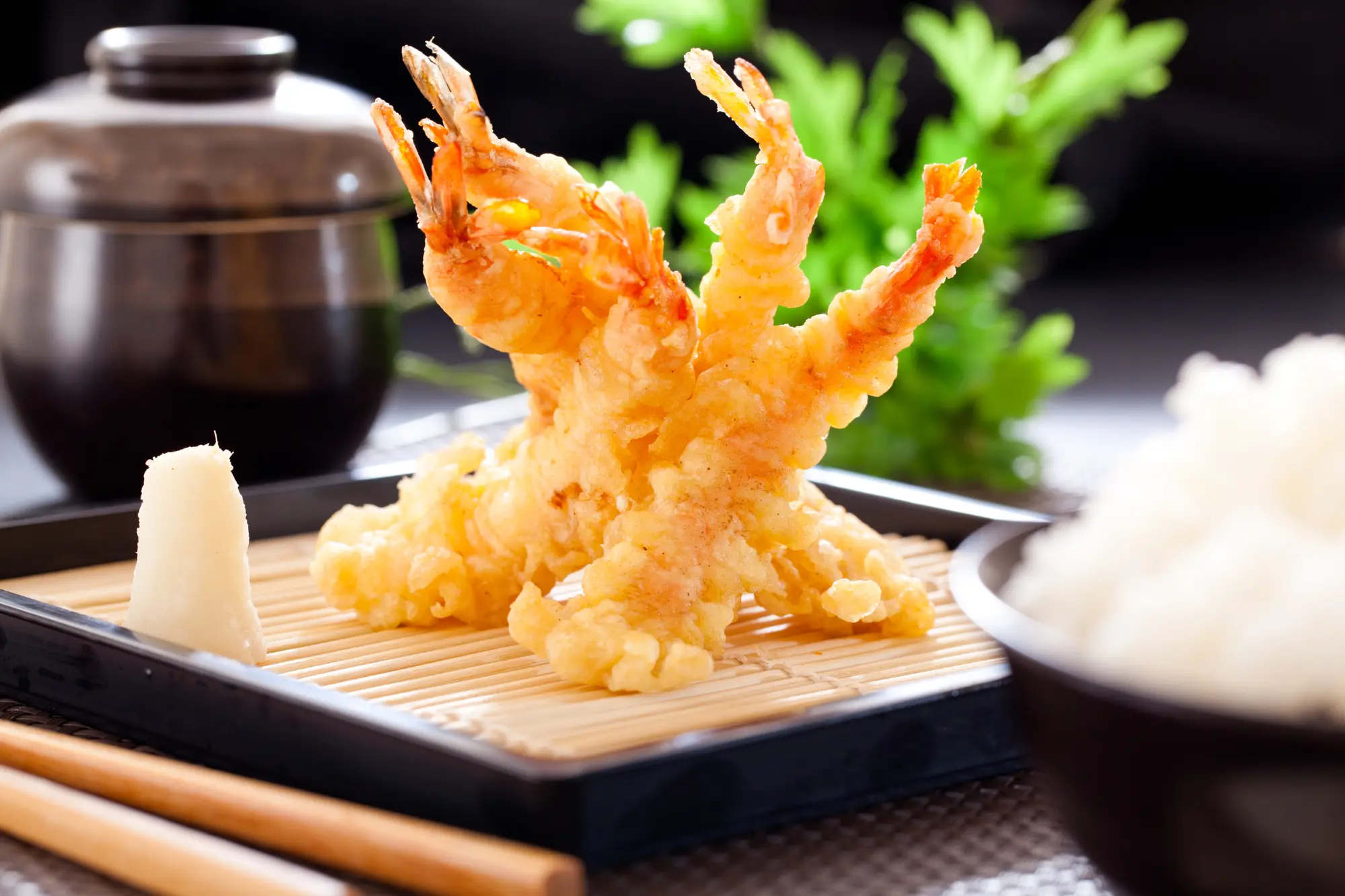
Tempura consists of seafood or vegetables coated in a light batter and deep-fried until crisp. Unlike heavier fried foods, good tempura has a delicate coating that allows the main ingredient to remain the focus.
Common ingredients include shrimp, squid, fish, eggplant, pumpkin, mushrooms, and sweet potato.
Tokyo has a long association with tempura, and you can find both casual restaurants and specialized tempura establishments.
Try: shrimp, seasonal vegetables, and fish tempura served with tentsuyu dipping sauce or salt.
Yakitori
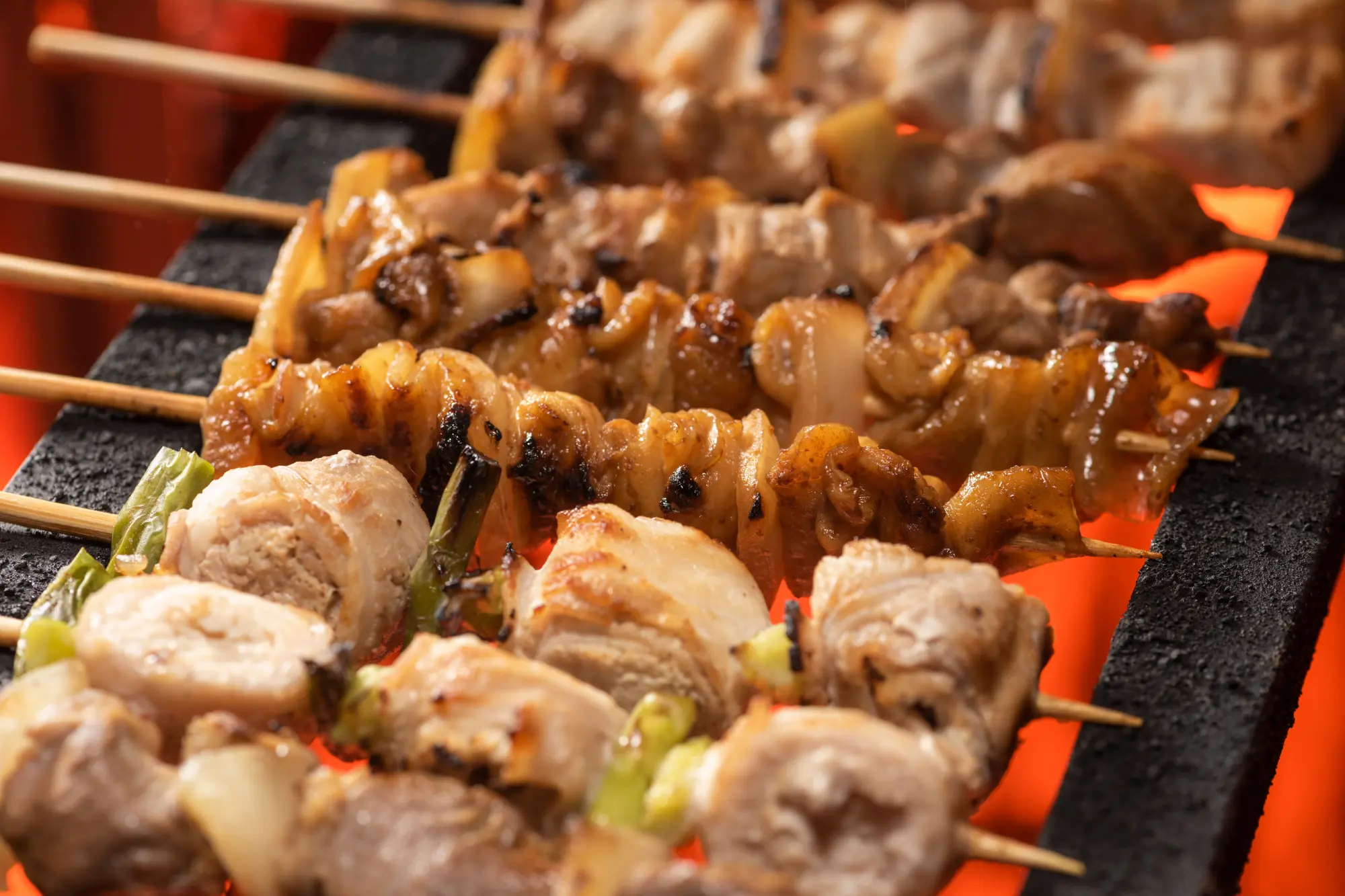
Yakitori is grilled chicken served on bamboo skewers, usually seasoned with salt or tare sauce. Different parts of the chicken are used, so the menu can include familiar cuts as well as less common options.
Yakitori is particularly popular at izakaya, Japanese-style pubs where small dishes are ordered alongside drinks.
For travelers who want a casual evening meal, visiting an izakaya and ordering several yakitori skewers is an easy way to experience everyday Japanese dining culture.
Try: chicken thigh, chicken meatball, chicken skin, and negima, which combines chicken with green onion.
Okonomiyaki
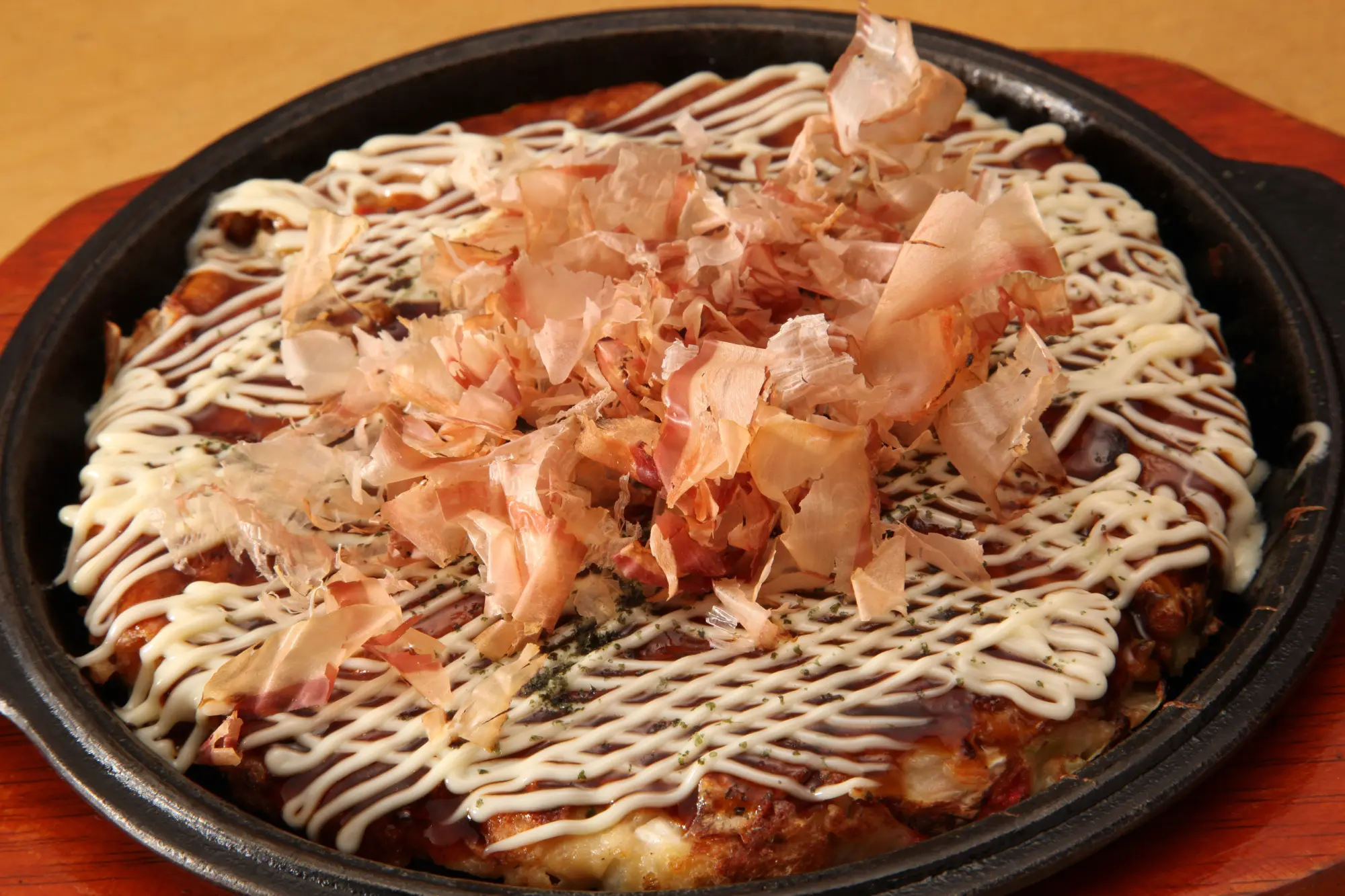
Okonomiyaki is a savory Japanese dish made from a batter mixed with ingredients such as cabbage, meat, seafood, and other toppings. The exact style varies by region, with Osaka and Hiroshima being the two destinations most closely associated with the dish.
In Osaka-style okonomiyaki, the ingredients are mixed together before being cooked on a hot plate. Hiroshima-style okonomiyaki is layered and commonly includes noodles.
The dish is often finished with okonomiyaki sauce, Japanese mayonnaise, bonito flakes, and aonori.
Best places: Osaka for the mixed-style version and Hiroshima for the layered style.
Takoyaki
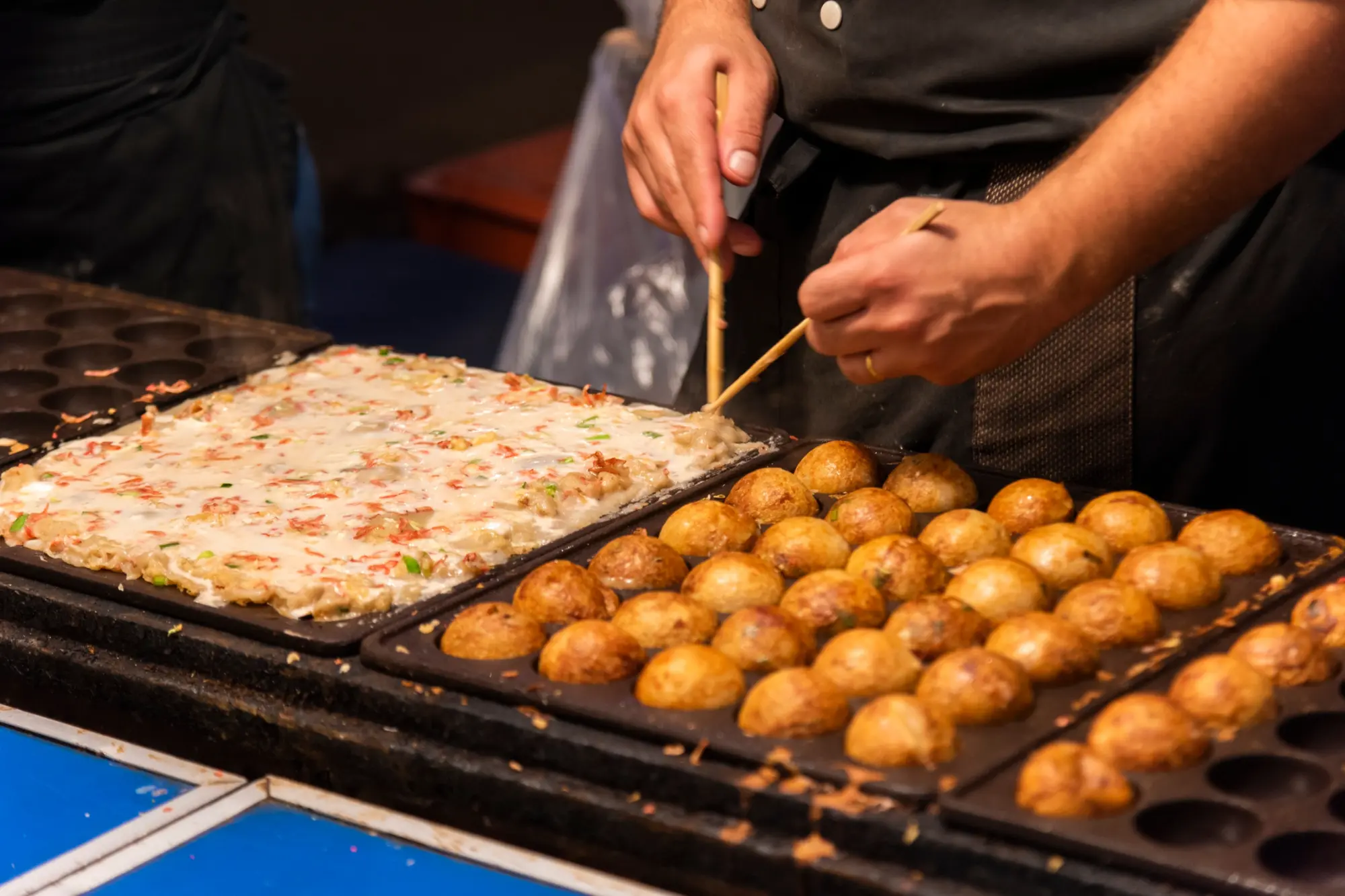
Takoyaki are small, round balls of savory batter traditionally filled with pieces of octopus. They are cooked in special molded pans and usually topped with takoyaki sauce, mayonnaise, bonito flakes, and aonori.
Takoyaki is strongly associated with Osaka, where it is one of the city’s signature street foods.
Because the filling can remain extremely hot after cooking, let the takoyaki cool slightly before taking your first bite.
Try it in: Osaka’s Dotonbori and surrounding food streets.
Udon
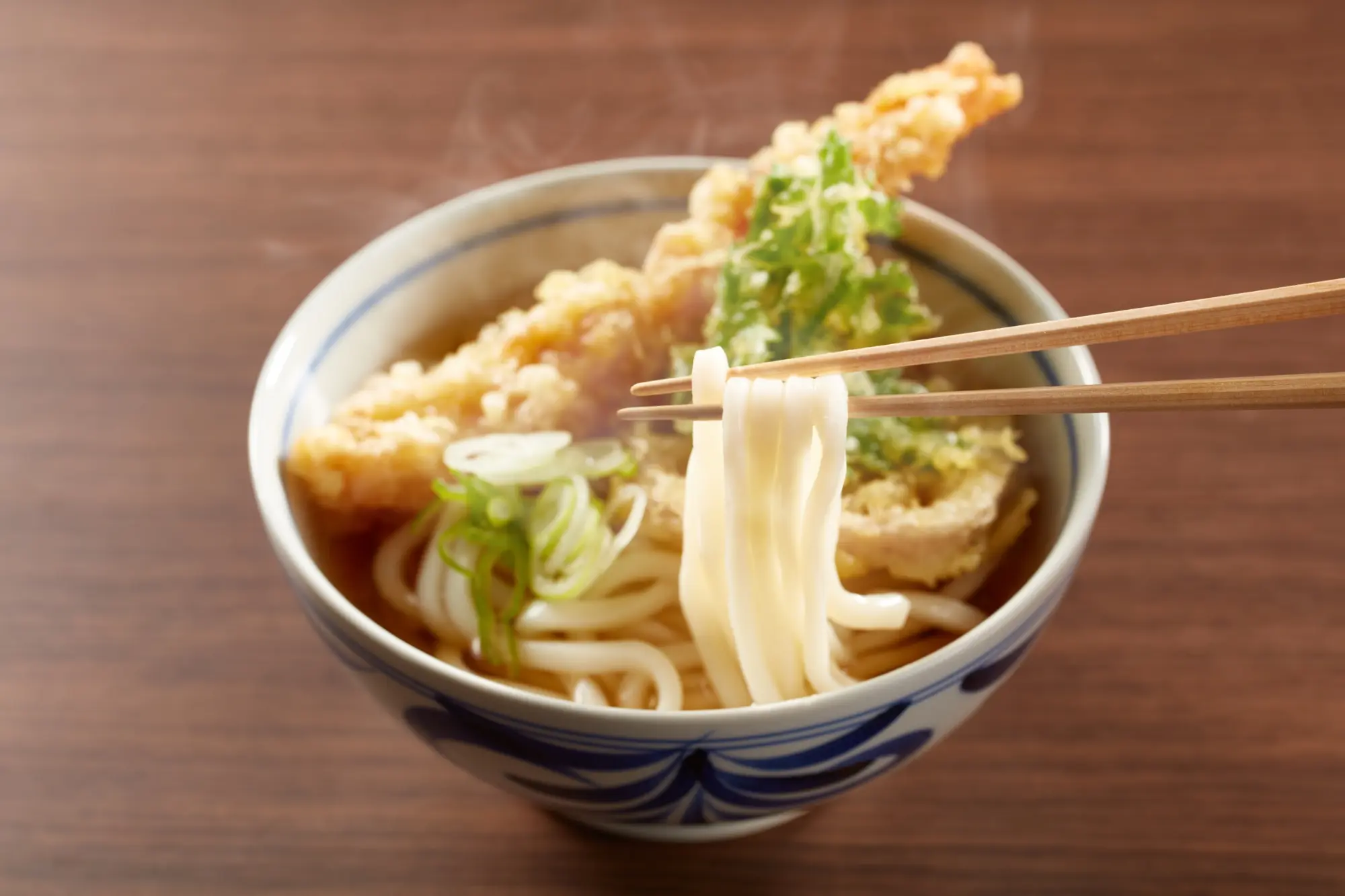
Udon is a thick, chewy Japanese noodle made from wheat flour and served either in broth or with a dipping sauce. It is available throughout Japan and can be served hot or cold depending on the season and preparation.
One of the most important destinations for udon lovers is Kagawa Prefecture, often associated with Sanuki udon. The noodles are known for their firm, chewy texture.
Popular versions include kitsune udon with sweet fried tofu, tempura udon, and chilled udon served with a dipping sauce.
Try: Sanuki udon in Kagawa if your itinerary includes Shikoku.
Soba
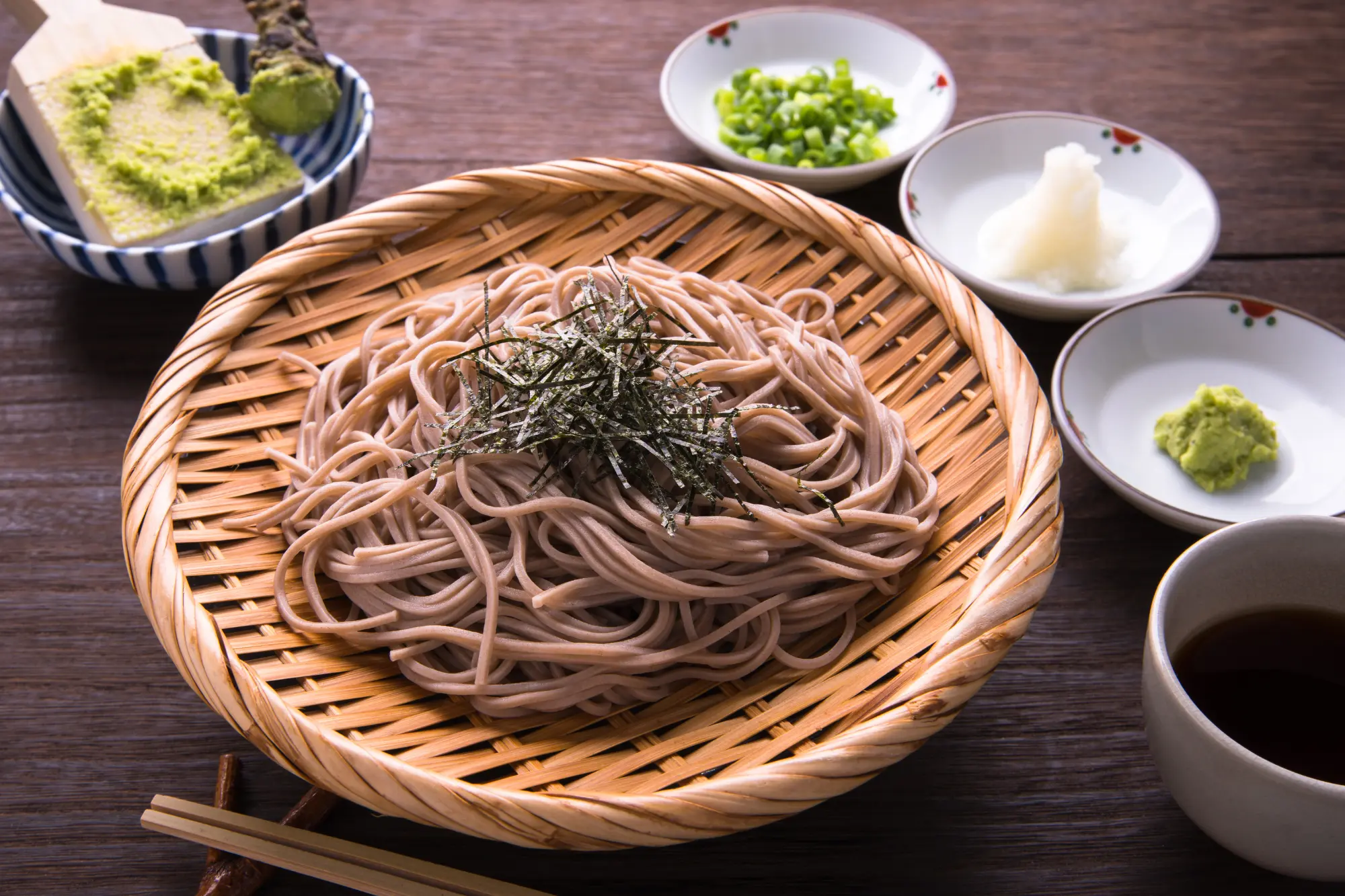
Soba are thin Japanese noodles made primarily from buckwheat flour. They can be served hot in a broth or cold with a dipping sauce, making them suitable throughout the year.
Soba is particularly associated with Nagano Prefecture, where the surrounding mountains provide an ideal setting for exploring regional Japanese cuisine.
Cold soba is especially refreshing during warmer weather, while hot soba makes a simple meal during colder months.
Try: zaru soba, served chilled with a separate dipping sauce.
Tonkatsu
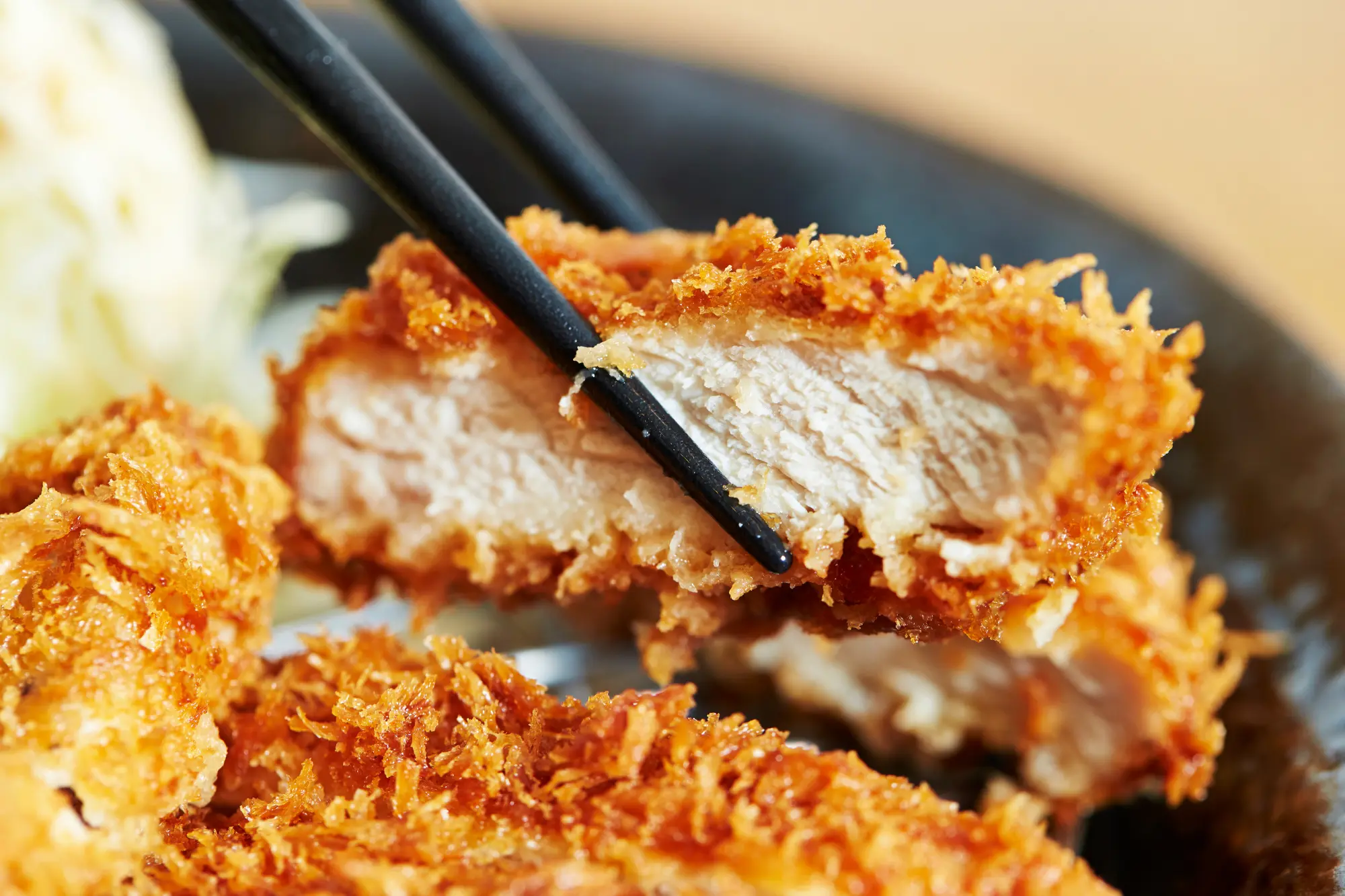
Tonkatsu is a breaded and deep-fried pork cutlet served with shredded cabbage, rice, miso soup, and a savory tonkatsu sauce. The cutlet is typically made from either pork loin or tenderloin.
It is a straightforward choice for travelers who may not enjoy raw seafood or unfamiliar ingredients. The combination of crispy breadcrumbs and tender pork also makes tonkatsu one of Japan’s most approachable traditional-style meals.
Specialized tonkatsu restaurants are common in major cities, particularly Tokyo.
Try: pork loin tonkatsu if you prefer a juicier cut, or tenderloin for a leaner option.
Unagi
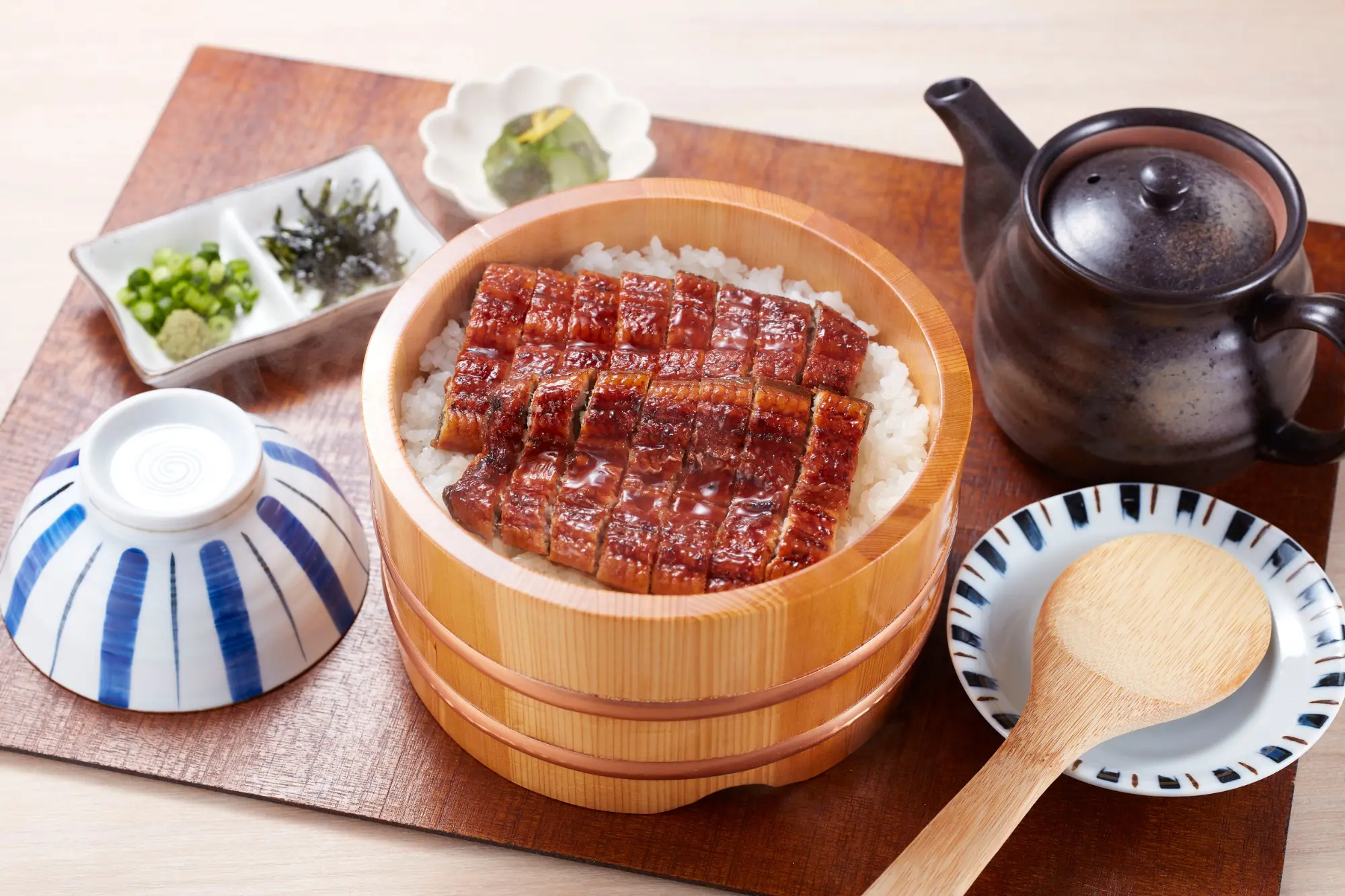
Unagi is freshwater eel that is typically grilled, coated with a sweet-savory tare sauce, and served over rice. The eel is usually cooked until tender, while the sauce adds a rich caramelized flavor.
Unagi has a long history in Japanese cuisine and is associated with several regional food traditions. Nagoya is particularly famous for hitsumabushi, in which grilled eel is served over rice and eaten in several different ways.
For first-time visitors, unagi is worth trying if you want to explore a Japanese dish beyond the more familiar sushi and ramen.
Try: hitsumabushi in Nagoya.
Regional Japanese Foods You Should Try
Japan’s food culture is highly regional, so your itinerary can influence which dishes you encounter.
If food is an important part of your trip, consider matching your destinations with local specialties:
| Destination | Food to Try |
| Tokyo | Sushi, tempura, tonkatsu |
| Osaka | Takoyaki, okonomiyaki |
| Kyoto | Traditional seasonal cuisine |
| Hiroshima | Hiroshima-style okonomiyaki |
| Fukuoka | Tonkotsu ramen |
| Sapporo | Miso ramen |
| Nagoya | Hitsumabushi |
| Kagawa | Sanuki udon |
| Nagano | Soba |
This approach lets you experience Japanese food as part of the destination rather than treating every dish as something you can find anywhere.
Related Article: Best Japanese Regional Food Guide 2026: What to Eat in Each Region
How Much Should You Budget for Food in Japan?
Your food budget depends on the type of restaurants you choose. Budget travelers can eat well in Japan for around ¥3,000–¥5,000 per person per day, while travelers mixing casual restaurants with higher-end meals will need more.
A simple daily food budget might include:
- Breakfast: ¥500 – ¥1,000
- Lunch: ¥800 – ¥1,500
- Dinner: ¥1,000 – ¥2,500
- Coffee or snacks: ¥300 – ¥1,000
You can reduce costs by combining convenience-store breakfasts, affordable noodle shops, casual restaurants, and occasional specialty meals.
At the other end of the spectrum, sushi counters, kaiseki restaurants, wagyu restaurants, and other premium dining experiences can cost considerably more.
Japanese Dining Tips for First-Time Visitors
A few basic habits can make your dining experience smoother.
Check the Restaurant’s Ordering System
Some casual restaurants use vending machines or ticket systems. You usually select your meal, pay first, and give the ticket to the staff.
Don’t Expect Every Restaurant to Accept Credit Cards
Major restaurants and chains commonly accept cards, but smaller establishments may still prefer cash. Keeping some Japanese yen with you is useful.
Be Careful With Food Allergies
If you have a serious allergy, prepare the relevant Japanese food terms before traveling. Some dishes use ingredients such as soy, seafood, sesame, or fish-based stock that may not be obvious from the dish’s name.
Don’t Rush Your Meal
Japanese dining varies by restaurant, but many meals are designed to be eaten shortly after serving. For dishes such as sushi, ramen, and tempura, eating them fresh is part of the experience.
Final Thoughts
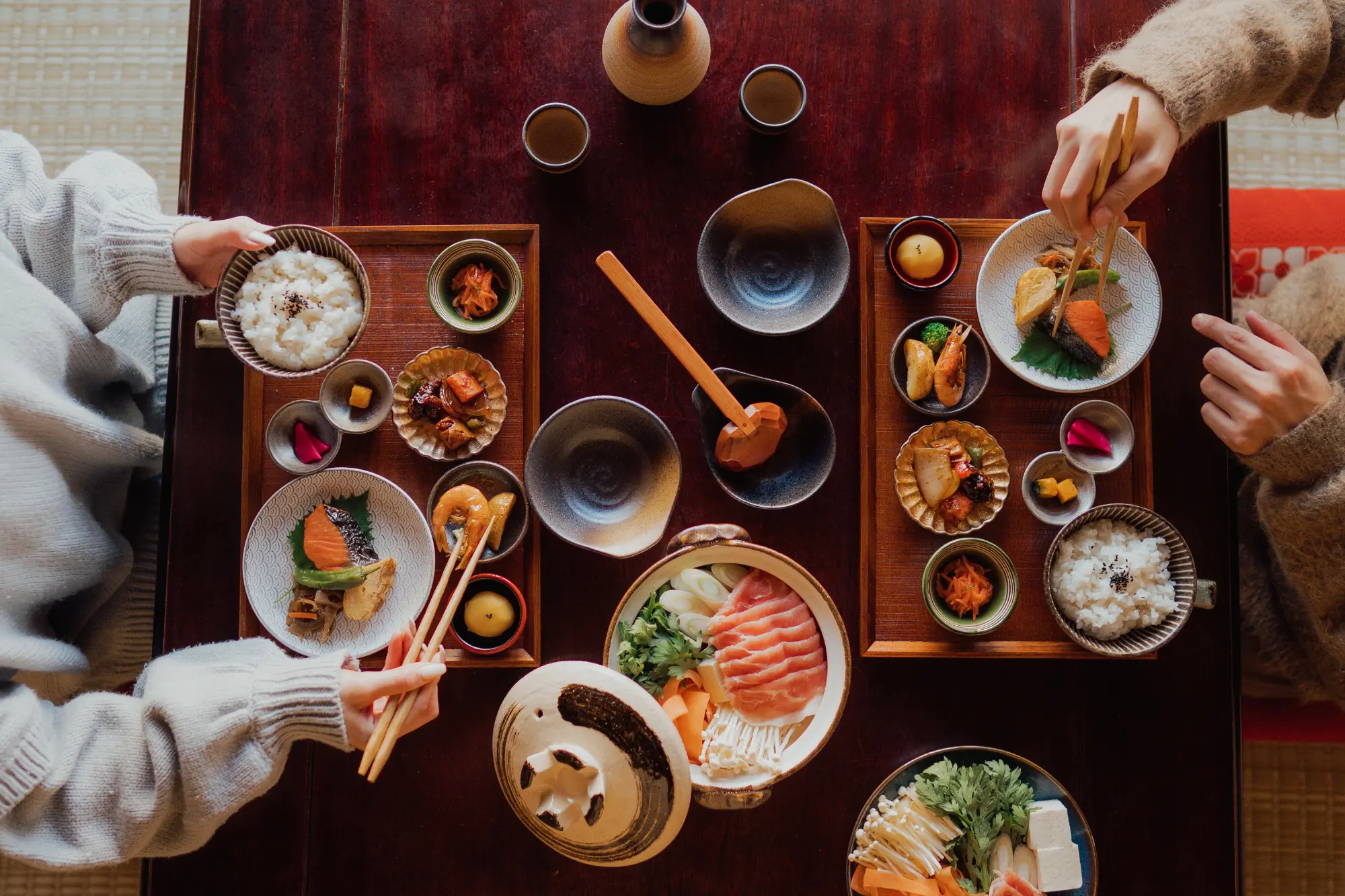
The best Japanese foods to try in Japan go far beyond sushi and ramen. Exploring dishes such as takoyaki in Osaka, tonkotsu ramen in Fukuoka, hitsumabushi in Nagoya, or Sanuki udon in Kagawa allows you to connect your food experiences with the places you visit. For a first trip, start with the 10 dishes in this guide, then add regional specialties based on your itinerary. This gives you a practical way to discover Japanese cuisine without trying to fit every famous dish into one trip.
With a customized itinerary from Nicetrip, you can explore Japan through its local food, culture, and destinations while traveling at your own pace.
Frequently Asked Questions
What is the most popular Japanese food to try in Japan?
Sushi and ramen are two of the most popular Japanese foods for international visitors, but regional dishes such as takoyaki, okonomiyaki, and unagi are also worth trying.
What Japanese food should I try for the first time?
Start with approachable dishes such as sushi, ramen, tempura, yakitori, and tonkatsu. You can then explore more regional specialties depending on your itinerary.
What food is Japan famous for?
Japan is internationally known for sushi, ramen, tempura, yakitori, udon, soba, and many regional specialties.
Where is the best place to try Japanese food?
There is no single best destination. Tokyo offers exceptional variety, while Osaka is particularly well known for takoyaki and okonomiyaki, Fukuoka for tonkotsu ramen, and Nagoya for hitsumabushi.
Is Japanese food expensive in Japan?
It can be affordable or expensive depending on where you eat. Casual meals such as ramen, udon, soba, and local set meals can be relatively inexpensive, while specialized sushi, kaiseki, and premium wagyu restaurants can cost significantly more.