Vietnam offers beautiful landscapes and world-class culinary experiences. However, for many international travelers, navigating a new environment can raise concerns about health. A sudden change in diet, intense tropical heat, and different hygiene standards can easily disrupt your system and lead to stomach issues. You do not have to compromise your travel experience to stay safe. In this guide, we will provide you with factual, straightforward advice on how to safely enjoy local meals and avoid stomach issues in Vietnam. Beyond food, we will also cover essential tips on drinking water safety, weather adaptation, and air quality to ensure your journey is completely stress-free.
Understanding Common Stomach Issues in Vietnam
When travelers experience stomach issues in Vietnam, food is often the first thing they blame. Contaminated food or water can cause digestive illness, but it is not the only factor that can make you feel unwell during a trip.
Heat, humidity, dehydration, changes in eating habits, and jet lag can also affect how you feel. WHO notes that travel-related health risks can include changes in temperature and humidity, air pollution, safe food and water, sanitation, and hygiene standards.
Vietnam’s tropical climate can therefore make a digestive problem feel more noticeable. Spending several hours outdoors without drinking enough fluids may leave you tired, dizzy, nauseous, or generally uncomfortable, symptoms that travelers may sometimes confuse with a food-related illness.
The practical approach is to look at your whole routine rather than focusing only on individual dishes. Stay hydrated, eat regular meals, rest during the hottest part of the day, and pay attention to food and water hygiene.
Drinking Water Safety in Vietnam: Preventing Stomach Issues from Contaminated Water
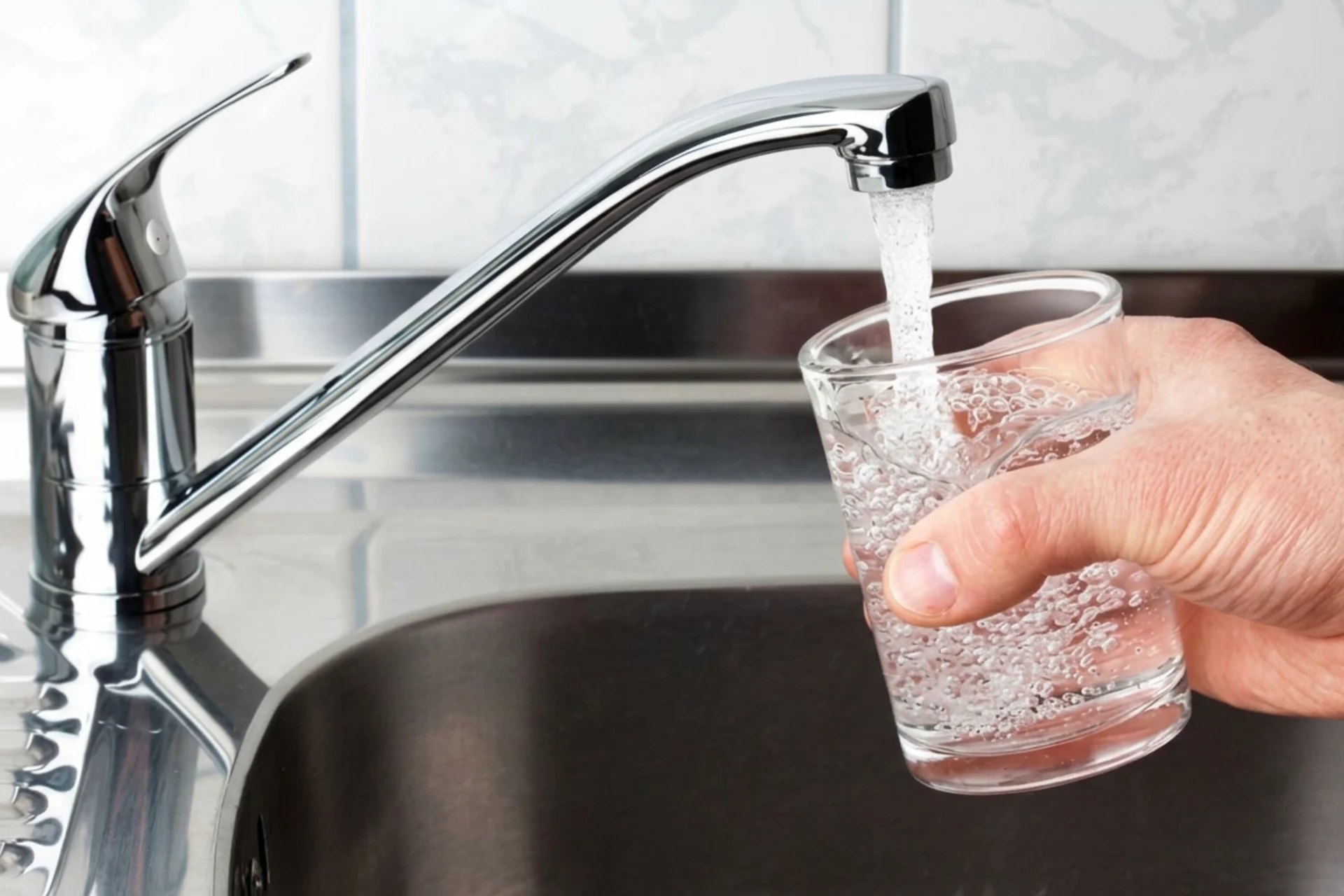
Drinking water safety in Vietnam is one of the most direct ways to protect your digestive system. The CDC advises international travelers to use unopened, factory-sealed bottled water when the safety of local drinking water is uncertain. Contaminated water can also cause problems when it is used to prepare drinks, make ice, wash food, or brush teeth.
For a simple routine:
- Avoid public tap water – especially in the first few days after you arrive, while your body is still adjusting to the new environment.
- Stick to bottled water with an unbroken seal – Check the cap before drinking, and never accept an already-opened bottle.
- Be selective with ice – Only use ice at large, reputable restaurants or standard-rated hotels, where it is typically made from filtered water under controlled conditions. Roadside stalls using crushed or shaved ice are a higher-risk category.
- Keep a bottle of sealed water with you when spending a full day outdoors.
Getting drinking water safety right from day one removes one of the biggest variables behind travelers’ belly problems during their trip.
What to Eat in Vietnam to Avoid Getting Sick
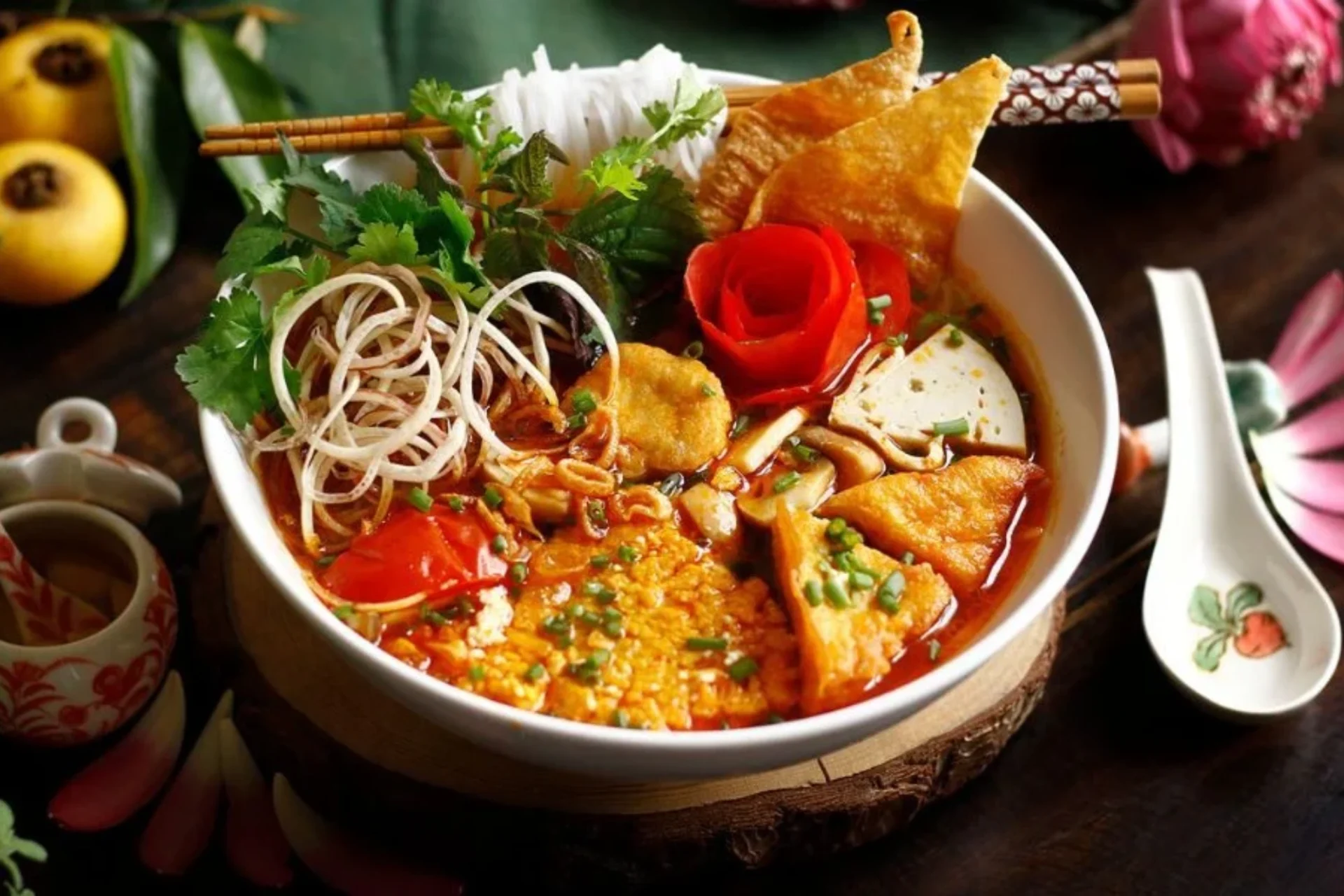
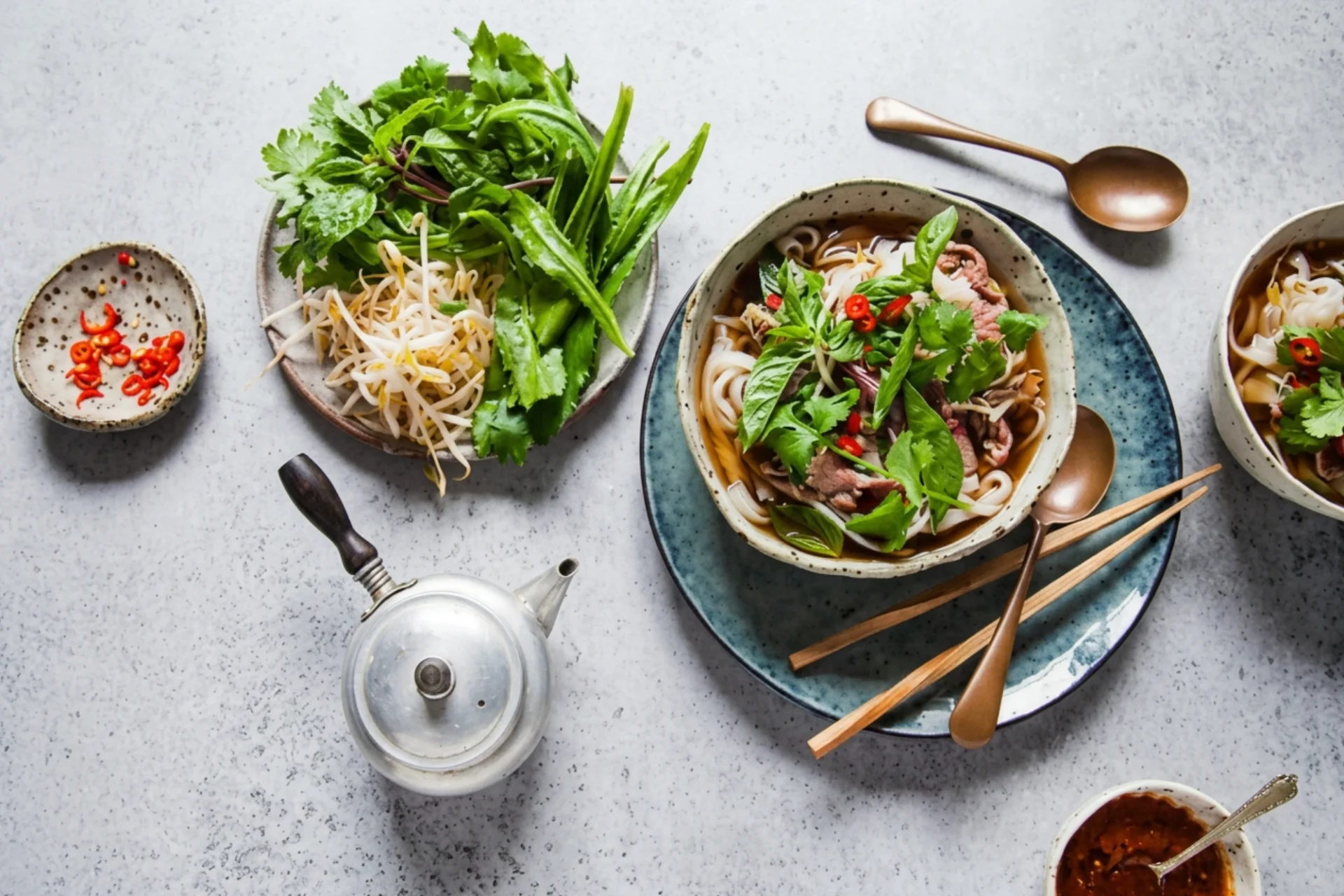
The simplest rule is choose food that is thoroughly cooked, served hot, and prepared in a clean environment. Foods that are freshly cooked at high heat or served boiling hot are almost always the safest choice, since heat effectively kills the bacteria that cause stomach issues.
Here is a quick comparison to help you choose safe food to eat in Vietnam:
Highly Recommended | Proceed with Caution |
| Phở bò with well-cooked beef – served in hot broth | Raw herbs – wash carefully or eat only when you are comfortable with the preparation |
| Bánh mì from a clean, busy shop – choose freshly prepared fillings | Street drinks with crushed ice when the water source is unclear |
| Bananas, mangoes and other thick-skinned fruit that you can peel yourself | Pre-cut fruit displayed outdoors |
| Freshly cooked rice and noodle dishes served hot | Raw salads when you cannot confirm how they were washed |
| Fully cooked meat, seafood and eggs | Foods that have been sitting at room temperature for a long time |
If you have a sensitive stomach, you can also ease into local flavors gradually. Start with familiar portions, then try more spicy, fermented, or unfamiliar dishes once you know how your body responds.
Foods to Avoid in Vietnam to Prevent Stomach Issues
If you want a straightforward list of foods to avoid in Vietnam, especially if you already have a sensitive stomach, keep the following off your plate. These are the most common triggers of stomach issues reported by travelers in Vietnam.
- Raw or undercooked seafood, especially shellfish from uncertain sources.
- Undercooked meat or eggs.
- Food that has been left uncovered for long periods.
- Ready-to-eat food kept at room temperature when you cannot tell how long it has been there.
- Raw milk or unpasteurized dairy products.
- Raw dishes when you cannot confirm their preparation and storage conditions.
- Fermented shrimp paste or other strongly fermented foods if you are unfamiliar with them or know that fermented foods tend to upset your stomach.
The key point is not to avoid specific Vietnamese dishes simply because they are local. Food handling, cooking temperature, freshness, and storage conditions matter more than whether a dish is traditionally Vietnamese.
Is Street Food Safe in Vietnam?
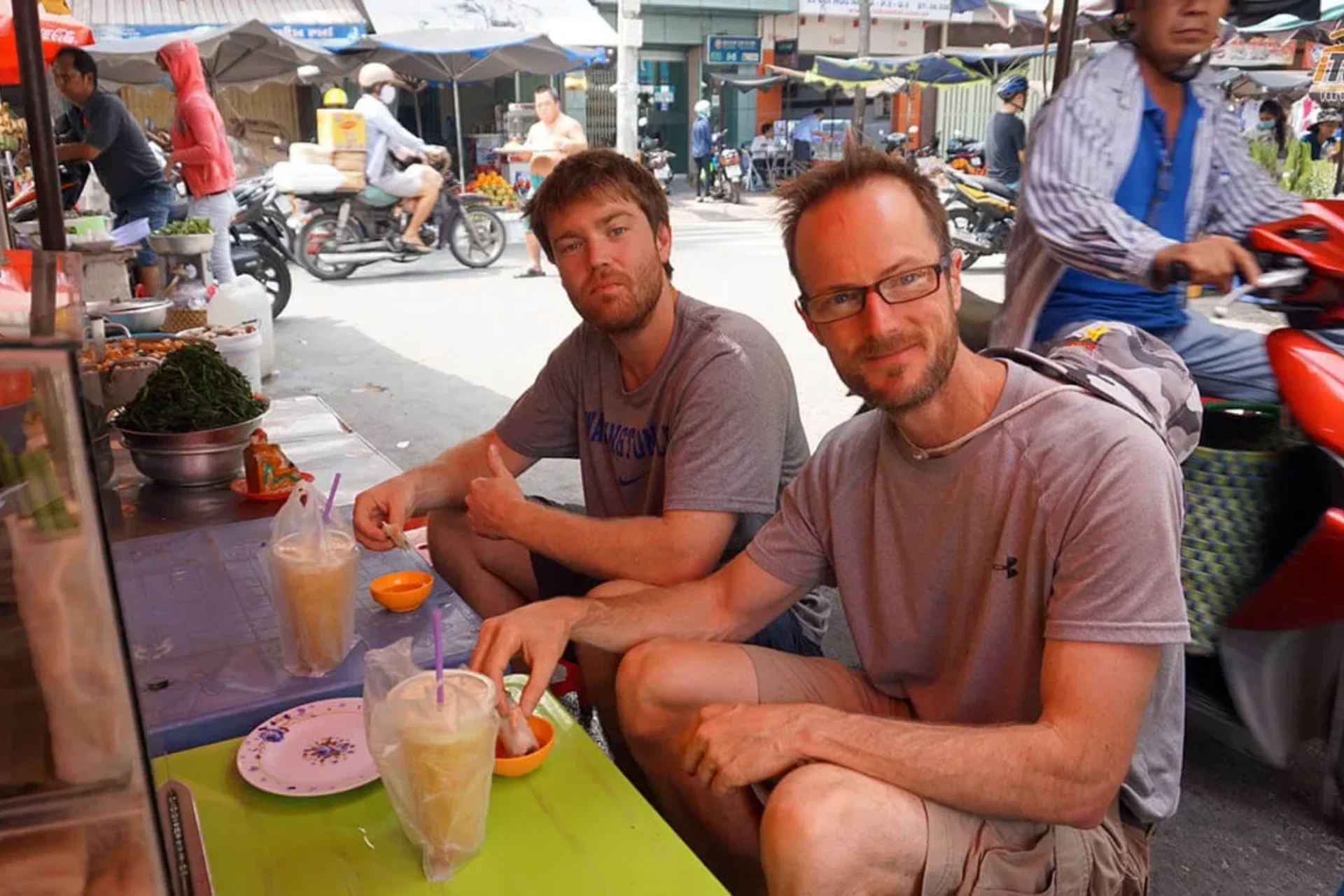
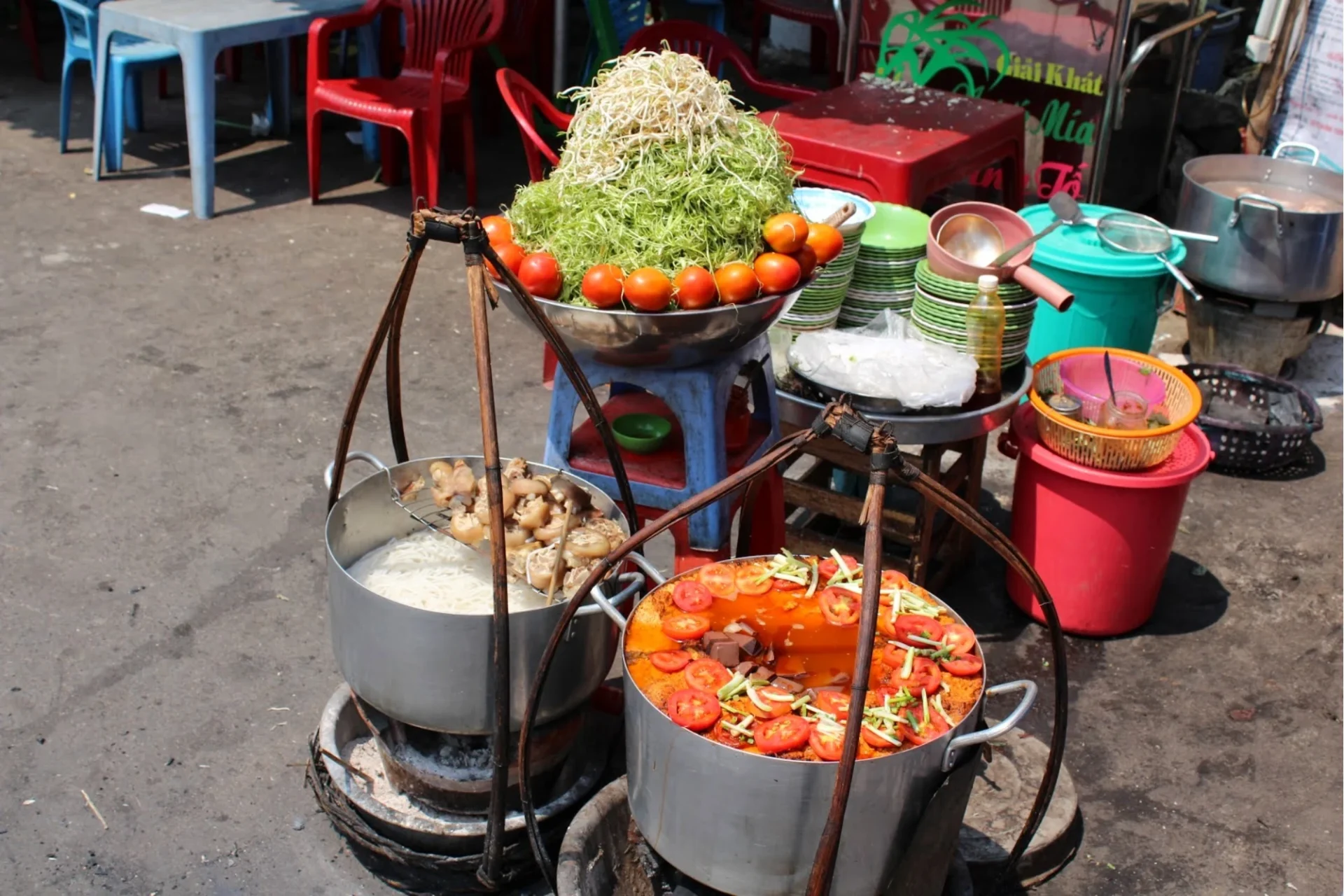
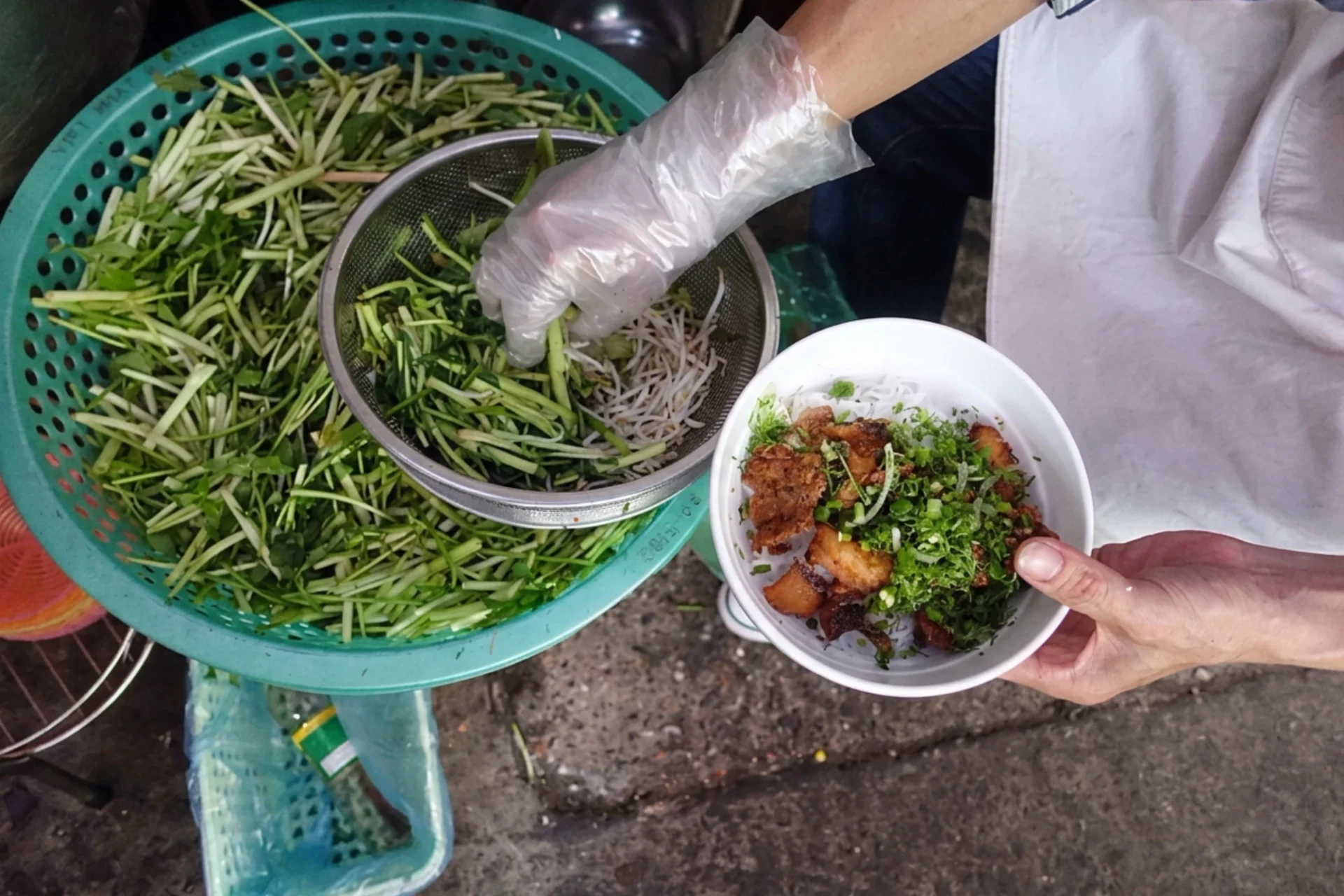
Street food can be a reasonable choice when you select the stall carefully. Street food is an important part of Vietnamese food culture without necessarily leading to stomach issues, and many dishes are cooked directly in front of customers.
Look for stalls that are:
- Busy with local customers, which often means ingredients are being used regularly rather than sitting for long periods.
- Preparing food cooked-to-order.
- Serving food directly from a hot pan, pot, grill, or cooking surface.
- Keeping raw and cooked ingredients reasonably separated.
- Maintaining a visibly clean preparation area.
- Using fresh ingredients rather than displaying large quantities of cooked food for extended periods.
- A long queue alone does not guarantee food safety, but high turnover plus freshly cooked food can be useful signs when choosing where to eat.
- For travelers concerned about stomach issues in Vietnam, the goal is therefore not to eliminate street food. Instead, make selective choices and prioritize freshly cooked, hot food from vendors with good hygiene practices.
Environmental Factors: Weather and Air Quality
Food is only one part of staying comfortable in Vietnam. Weather, hydration, activity levels, and air quality can also affect how you feel during a busy sightseeing day.
Adapting to the Tropical Heat
Vietnam’s high temperatures and humidity, especially during the summer months from May to August, can cause dehydration that slows digestion and triggers nausea – symptoms that are often mistaken for food poisoning. To adapt comfortably, avoid strenuous outdoor activity around midday, drink water consistently throughout the day rather than only when you feel thirsty, and give your body time to adjust before diving into a packed itinerary.
A practical routine is to plan outdoor sightseeing for the morning or late afternoon, especially on very hot days. Keep lunch relatively light if heavy meals make you uncomfortable in the heat.Vietnam has significant regional climate differences, so travelers should check the forecast for their specific destination rather than applying one weather rule to the whole country.
Managing Air Quality in Major Cities
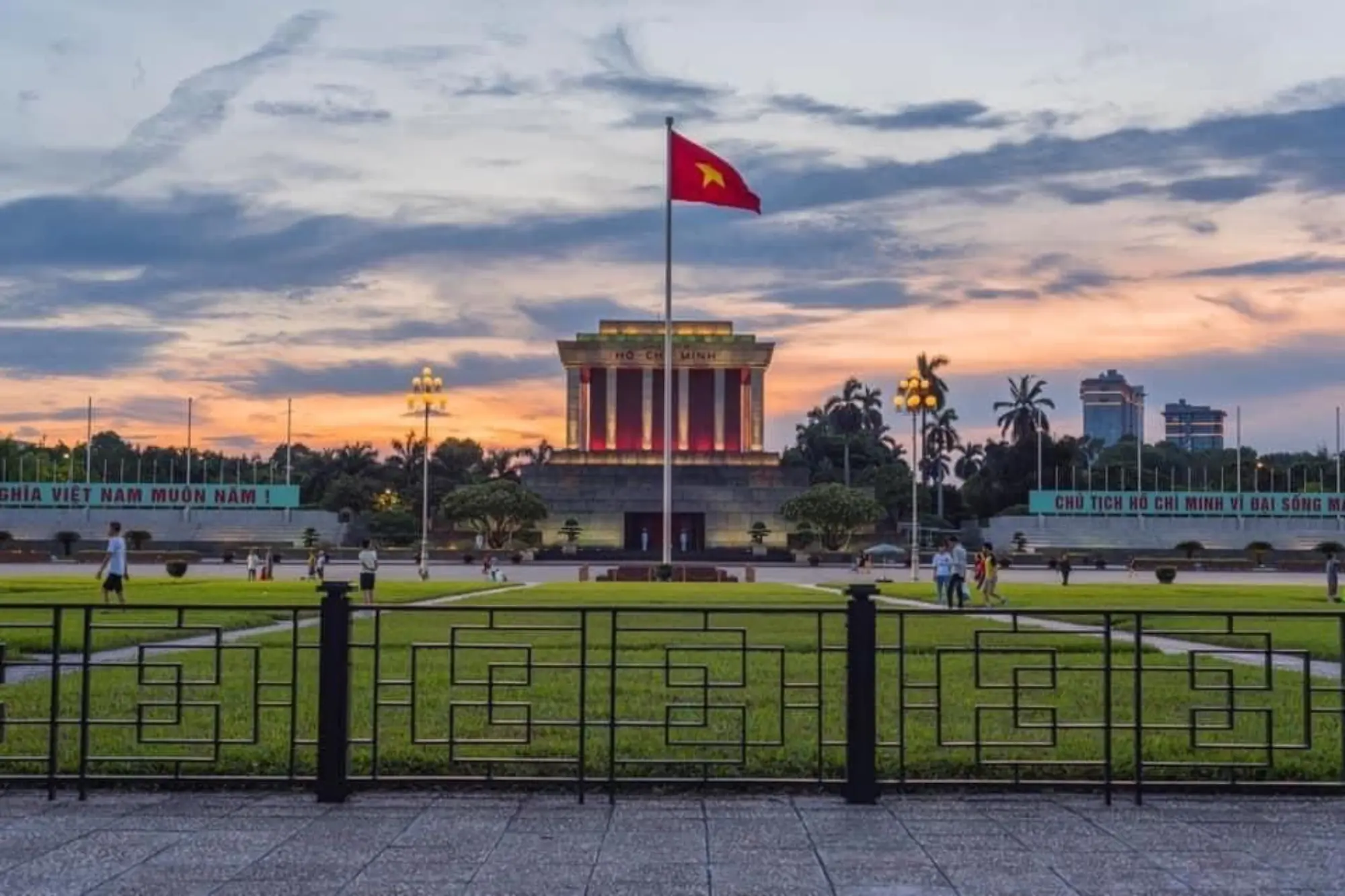
Urban air pollution in cities like Hanoi and Ho Chi Minh City can leave travelers feeling unusually fatigued. To manage this, wear a mask when riding motorbikes or navigating busy streets, and wash your hands thoroughly as soon as you return to your hotel – this simple habit prevents dust and bacteria picked up during the day from transferring to food or your mouth later on.
| Season / Period | Typical Consideration | Practical Health Tip |
| May–August | Hot and humid conditions can be uncomfortable in many areas | Drink regularly, take breaks, and avoid prolonged midday exposure |
| September–November | Conditions vary significantly by region | Check the local forecast before planning outdoor activities |
| December–April | Generally drier in much of southern Vietnam, while northern Vietnam can be cooler | Dress according to the destination and check the forecast before departure |
5 Practical Vietnam Food Safety Tips for Travelers
Putting it all together, here are five Vietnam food safety tips you can apply from day one:
- Wash and sanitize your hands frequently, especially before eating and after using public transport.
- Ease into the local diet gradually – Do not try every unfamiliar food on your first day. Start with moderate portions and gradually introduce spicy, rich, fermented, or unfamiliar dishes as you become comfortable with the local cuisine.
- Be cautious with raw vegetables, raw herbs and vegetables are common in Vietnamese meals. If you are uncertain about how they were washed, eat cooked vegetables instead or choose produce that you can peel yourself.
- Pack essential medications, including digestive enzymes and oral rehydration salts (Oresol), in case you need them.
- Check local weather and air quality daily using a reliable app before heading out, so you can plan your activities accordingly.
These simple Vietnam food safety tips are easier to follow when they become part of your normal travel routine rather than something you only think about after feeling unwell.
Frequently Asked Questions
What should I do if I experience belly problems in Vietnam?
If you develop mild belly problems, prioritize fluids, rest, and simple foods that you normally tolerate well. An oral rehydration solution can help replace fluids and electrolytes when you have diarrhea or vomiting; follow the product directions carefully. If symptoms are severe, persistent, or concerning, contact your hotel reception, tour guide, or a healthcare professional rather than trying to manage the problem alone.
Should I take probiotics before traveling to Vietnam?
Some travelers choose to take probiotics before or during international travel, but evidence about their ability to prevent travel-related diarrhea varies by product and individual. Probiotics are not a substitute for safe food and water practices. Ask your doctor or pharmacist whether a probiotic is appropriate for you, particularly if you take regular medication or have an existing health condition.
When is the best time to visit Vietnam for mild weather?
There is no single mild-weather season for the entire country because Vietnam has different regional climates. For northern Vietnam, September to November is often a comfortable period for many travelers, while southern Vietnam generally has a drier period from December to April. Always check the forecast for your specific destination before booking activities.
Final Thoughts
You do not need to avoid local cuisine to have a comfortable trip. The most useful approach is to choose thoroughly cooked food, drink sealed bottled water, be selective with ice and raw ingredients, wash your hands regularly, and adapt your schedule to the weather.
Remember that stomach discomfort can have several causes, including food and water exposure, changes in diet, heat, dehydration, and the general demands of travel. A few practical habits can reduce unnecessary risks while still leaving you free to enjoy phở, bánh mì, fresh fruit, and Vietnam’s vibrant food culture.
For more general pre-travel health guidance, the U.S. CDC’s Vietnam travel health page and the World Health Organization’s food safety guidance are both useful references to check before you go.
Planning a Vietnam trip and want the practical details handled for you? Explore Nicetrips Vietnam itineraries or contact our travel team for help planning a comfortable, well-organized journey.