Yes, $1,000 can be enough for 2 Weeks in Viet Nam if it excludes international airfare. For 14 days, that gives you approximately $71 per day for accommodation, food, transportation, activities, and other expenses.
For a solo traveler, this is a realistic budget if you choose reasonably priced accommodation, eat a mix of local and casual restaurants, use a combination of public and local transportation, and plan your long-distance travel carefully.
However, $1,000 is not a generous mid-range budget. Frequent domestic flights, upscale hotels, private transfers, luxury cruises, and multiple organized tours can quickly push your total above $1,000. In this guide, we’ll break down exactly where your money goes, what kind of trip $1,000 can cover, and how to make it last for 14 days in Vietnam.

Quick Answer: Is $1,000 Enough for 2 Weeks in Viet Nam?
Yes, for most solo travelers, $1,000 can cover 14 days in Vietnam if the budget is for expenses inside the country.
Your average spending limit is: $1,000 ÷ 14 days = approximately $71 per day
A practical budget could look like this:
| Expense | Approx. 14-Day Budget |
| Accommodation | $280 – $350 |
| Food & drinks | $150 – $200 |
| Transportation | $120 – $170 |
| Activities & tours | $80 – $120 |
| Miscellaneous | $50 – $80 |
| Emergency buffer | $80 – $100 |
| Total | $760 – $1,020 |
This range shows why $1,000 is workable but requires some planning. If you consistently spend at the higher end of every category, you will exceed the budget. The goal is to keep your core spending under control while protecting part of the budget for unexpected costs.
Bottom line: $1,000 is enough for a budget-conscious 14-day trip in Vietnam, but it is not enough for a luxury or highly convenient travel style.
What Does the $1,000 Budget Include?
For this guide, the $1,000 budget refers to expenses after you arrive in Vietnam.
It can include:
- Accommodation
- Food and drinks
- Domestic transportation
- Local transportation
- Entrance fees
- Selected tours and activities
- SIM card and other small expenses
- An emergency buffer
It does not include:
- International flights
- Visa fees, where applicable
- Travel insurance
- Major shopping
- Luxury or private experiences
This distinction matters because international airfare can represent a significant part of your overall trip cost. It is more useful to calculate your Vietnam travel budget separately from the cost of getting to Vietnam.
How Much Does 2 Weeks in Vietnam Cost?
The total cost of a 14-day Vietnam trip depends mainly on three things: where you stay, how you travel between destinations, and how many paid experiences you book.
Accommodation: Around $20 – $25 per Night
For 14 nights, allocating approximately $280 – $350 gives you a nightly budget of around $20 – $25.
At this price range, you can look for:
- Private rooms in budget hotels
- Guesthouses
- Simple boutique hotels
- Well-rated homestays
- 2-3-star hotels
You do not necessarily need to stay in a hostel to keep your trip under $1,000. A simple private room can still fit the budget if you control your other expenses.
One of the easiest ways to reduce accommodation costs is to stay longer in fewer destinations. Changing hotels every one or two nights can increase both accommodation and transportation costs.

Food and Drinks: Around $10 – $15 per Day
Food is one of the easiest categories to manage in Vietnam.
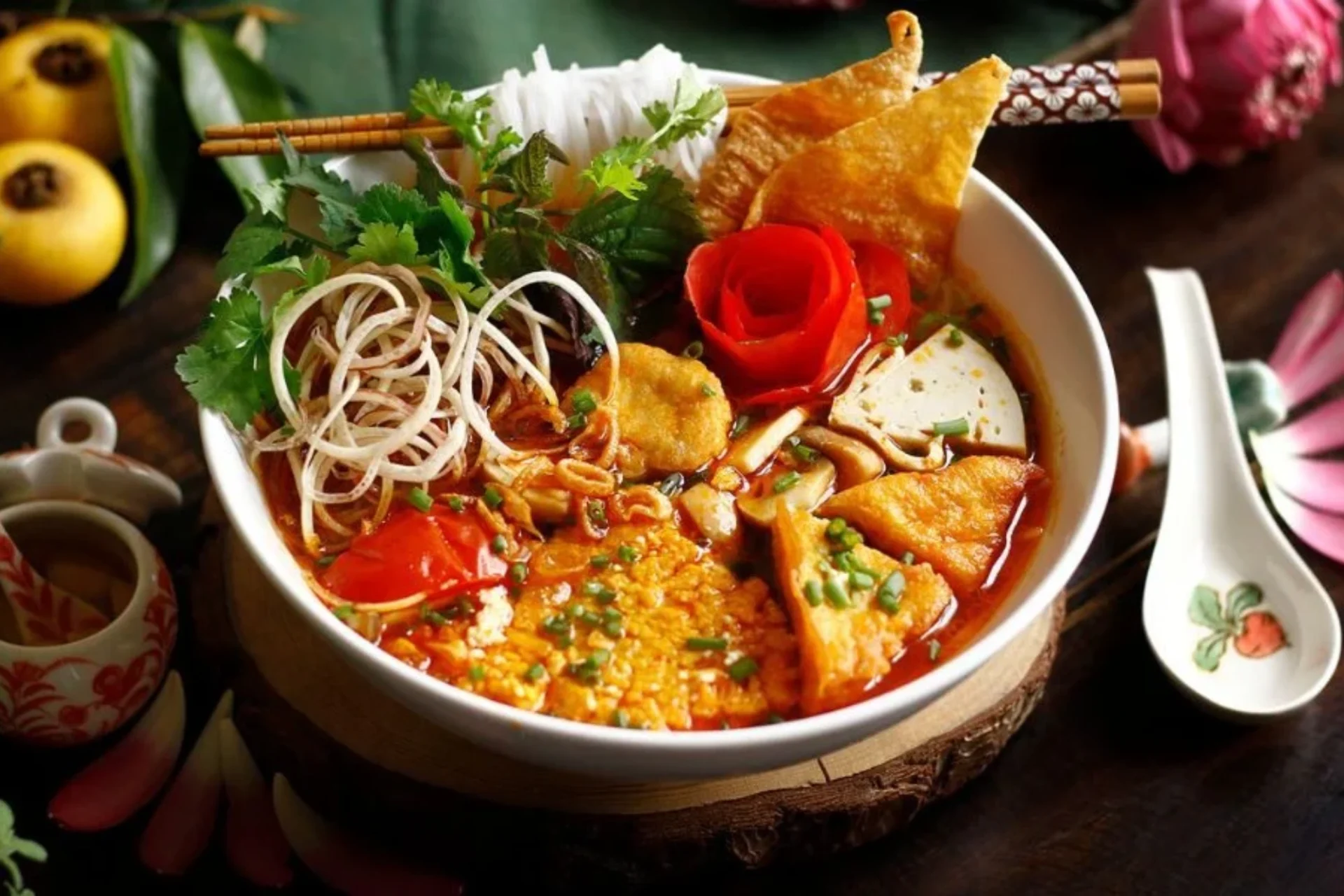
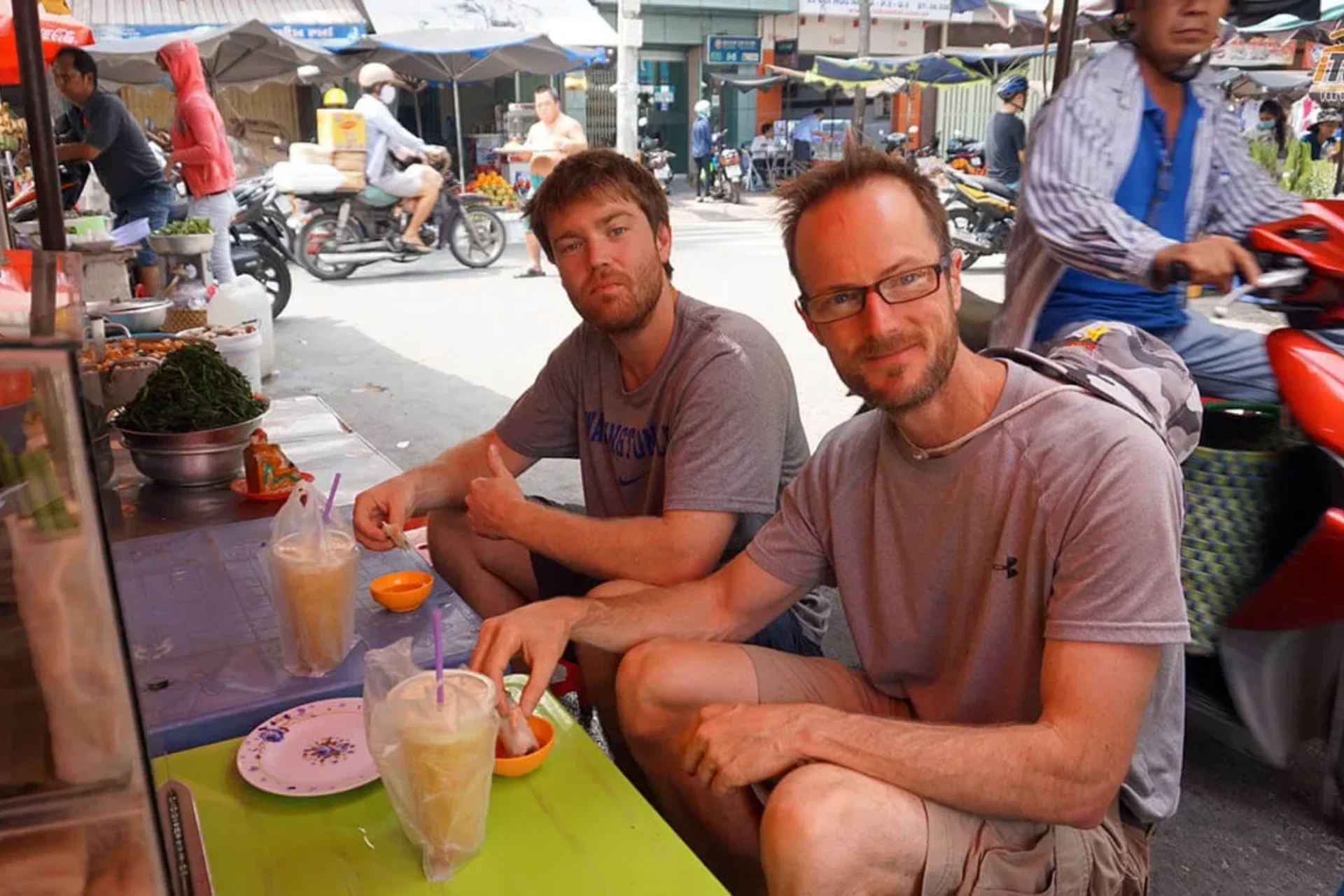
A daily budget of $10 – $15 can cover three meals if you combine local restaurants, street food, cafés, and inexpensive drinks.
A typical day could include:
- A local breakfast
- Vietnamese coffee
- Pho, banh mi, noodles, or rice for lunch
- A local restaurant for dinner
- Occasional snacks or drinks
You also do not need to eat exclusively at street-food stalls. Mixing inexpensive local meals with a few nicer restaurants gives you more variety without dramatically increasing your total spending.
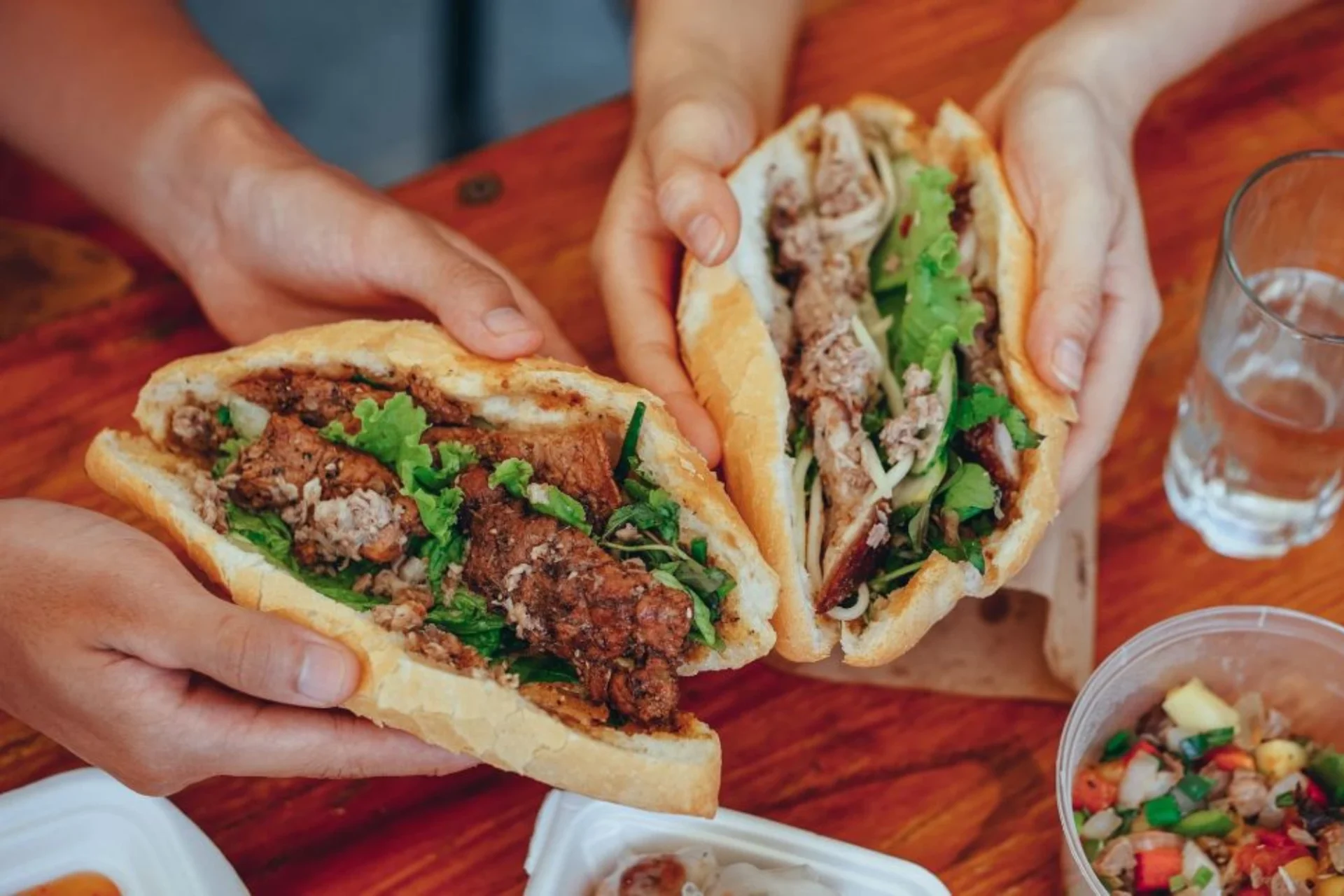
For 14 days, a reasonable food budget is approximately $140 – $210.
Related Article: The Ultimate Hanoi Street Food Tour and Travel Guide: 7 Must-try Local Food
Transportation: Around $120 – $170
Transportation is one of the categories that requires the most planning because Vietnam stretches from north to south.
For a $1,000 budget, consider combining:
| Transport | Best For |
| Domestic flights | Long distances |
| Sleeper trains | Overnight journeys |
| Buses | Shorter intercity routes |
| Grab | Getting around cities |
| Walking | Central sightseeing areas |
The key is not to fly between every destination.
For example, you could use a domestic flight for one major north – south journey and rely on trains or buses for shorter routes.
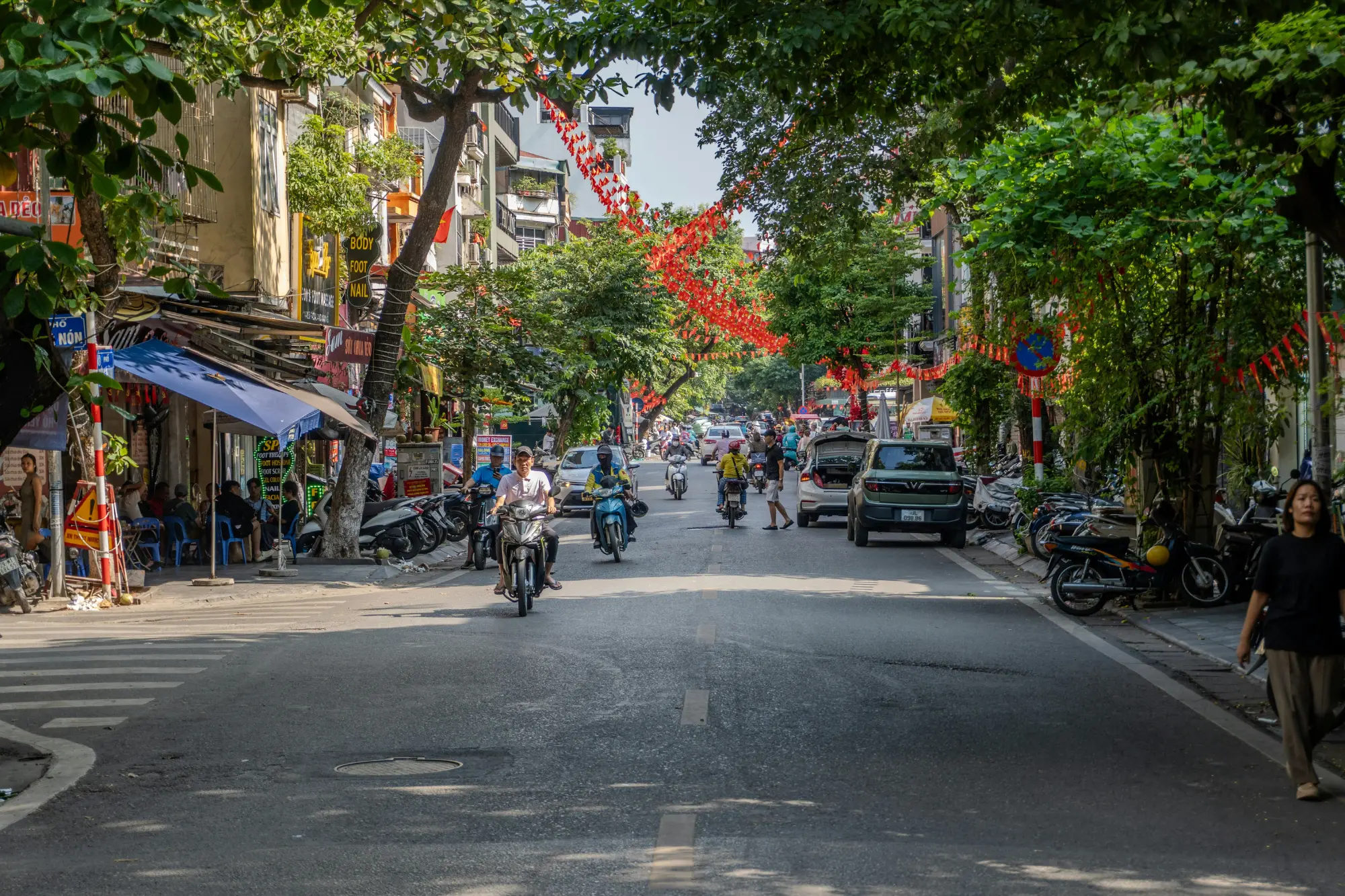
Your itinerary can affect your budget more than your daily spending habits. Visiting seven or eight destinations in 14 days may look exciting on paper, but every additional stop adds another hotel, transfer, meal between cities, and potentially another flight.
Activities and Tours: Around $80 – $120
Many attractions in Vietnam are inexpensive or free, but organized tours can quickly increase your spending.
With around $80 – $120, you can reserve money for one or two experiences that are important to you, such as:
- Ninh Binh boat trip
- Ha Long Bay or Lan Ha Bay cruise
- Hoi An cooking class
- Cu Chi Tunnels tour
- Mekong Delta day trip
- Museums and cultural attractions

A better approach is to decide which experiences are genuinely important before your trip and allocate your activity budget around them.
Miscellaneous and Emergency Money: Around $130 – $180
Do not plan to spend the entire $1,000.
A practical approach is to reserve approximately:
- $50 – $80 for miscellaneous expenses
- $80 – $100 as an emergency buffer
Miscellaneous expenses can include:
- SIM card
- Laundry
- Snacks
- Tips
- Small souvenirs
- Unexpected local transportation
The emergency buffer is there for expenses you cannot predict, such as a last-minute transportation change or an additional night of accommodation.
How Much Should You Spend Per Day in Vietnam?
With a $1,000 budget for 14 days, your average spending limit is approximately $71 per day.
However, you do not need to spend exactly $71 every day.
A practical daily budget could look like this:
| Category | Daily Budget |
| Accommodation | $20 – $25 |
| Food & drinks | $10 – $15 |
| Local transportation | $5 – $8 |
| Activities | $5 – $10 |
| Miscellaneous | $3 – $5 |
| Core daily spending | $43 – $63 |
This leaves some of your overall budget available for long-distance transportation, larger activities, or your emergency fund. This is why planning a 14-day total budget is more useful than trying to spend exactly the same amount every day.
A $50 Day vs. a $70 Day
Your spending will naturally vary throughout the trip.
A $50 day might include a budget hotel, local meals, walking around the city, and inexpensive attractions.
A $70 day could include a better hotel, several Grab rides, restaurant meals, and a paid activity.
Some days may cost considerably more. A domestic flight, overnight cruise, or major tour could push one day’s spending above $100.
That is not necessarily a problem if you deliberately spend less on other days.
Think of $1,000 as a 14-day budget, not a $71 daily spending requirement.
What Kind of Vietnam Trip Can You Have With $1,000?
Your travel style determines how comfortable $1,000 will feel.
Budget Travel: $700 – $1,000
This is the travel style most compatible with a $1,000 budget.
You can stay in hostels, guesthouses, or simple private rooms, eat mostly local food, use buses and trains, and choose a limited number of paid activities.
You can still experience several destinations, but you should avoid unnecessary transfers and expensive tours.
Comfortable Travel: $1,200 – $1,800
A budget of $1,200 – $1,800 gives you considerably more flexibility for a 14-day trip.
You can choose better-located hotels, eat at a wider range of restaurants, use domestic flights when they save significant travel time, and include more organized experiences without constantly monitoring every expense.
For travelers who prioritize comfort and convenience, this is a more realistic range than trying to keep every expense below $1,000.
Premium Travel: $2,000+
With $2,000 or more, you have much more room for:
- Upscale hotels
- Private transfers
- Premium cruises
- Fine dining
- Domestic flights
- Private guides
- Customized experiences
At this level, the question becomes less about whether Vietnam is affordable and more about how much comfort and personalization you want.
Can You Travel Vietnam for Less Than $1,000?
Yes. Travelers who are comfortable with a more basic style can spend considerably less than $1,000.
A backpacker-style trip can rely on:
- Hostel dorms
- Local food
- Buses and trains
- Free attractions
- Low-cost activities
- Minimal shopping
A budget of around $30 – $40 per day can be possible for travelers who prioritize low costs.
At the other end, spending around $50 – $70 per day allows for more private accommodation, better meals, Grab rides, and selected paid experiences.
For many solo travelers, $50 – $70 per day is the sweet spot between backpacking and constantly worrying about money.
14-Day Vietnam Itinerary on a $1,000 Budget
Your itinerary matters almost as much as your daily spending.
A two-week trip works better when you avoid trying to see the entire country.
One possible route is:
| Days | Destination | Main Experiences |
| 1 – 3 | Hanoi | Old Quarter, Hoan Kiem Lake, local food |
| 4 – 5 | Ninh Binh | Trang An, Tam Coc, countryside |
| 6 – 7 | Ha Long or Lan Ha Bay | Overnight cruise |
| 8 – 10 | Hoi An | Old Town, local food, countryside |
| 11 – 12 | Hue | Imperial City, local culture |
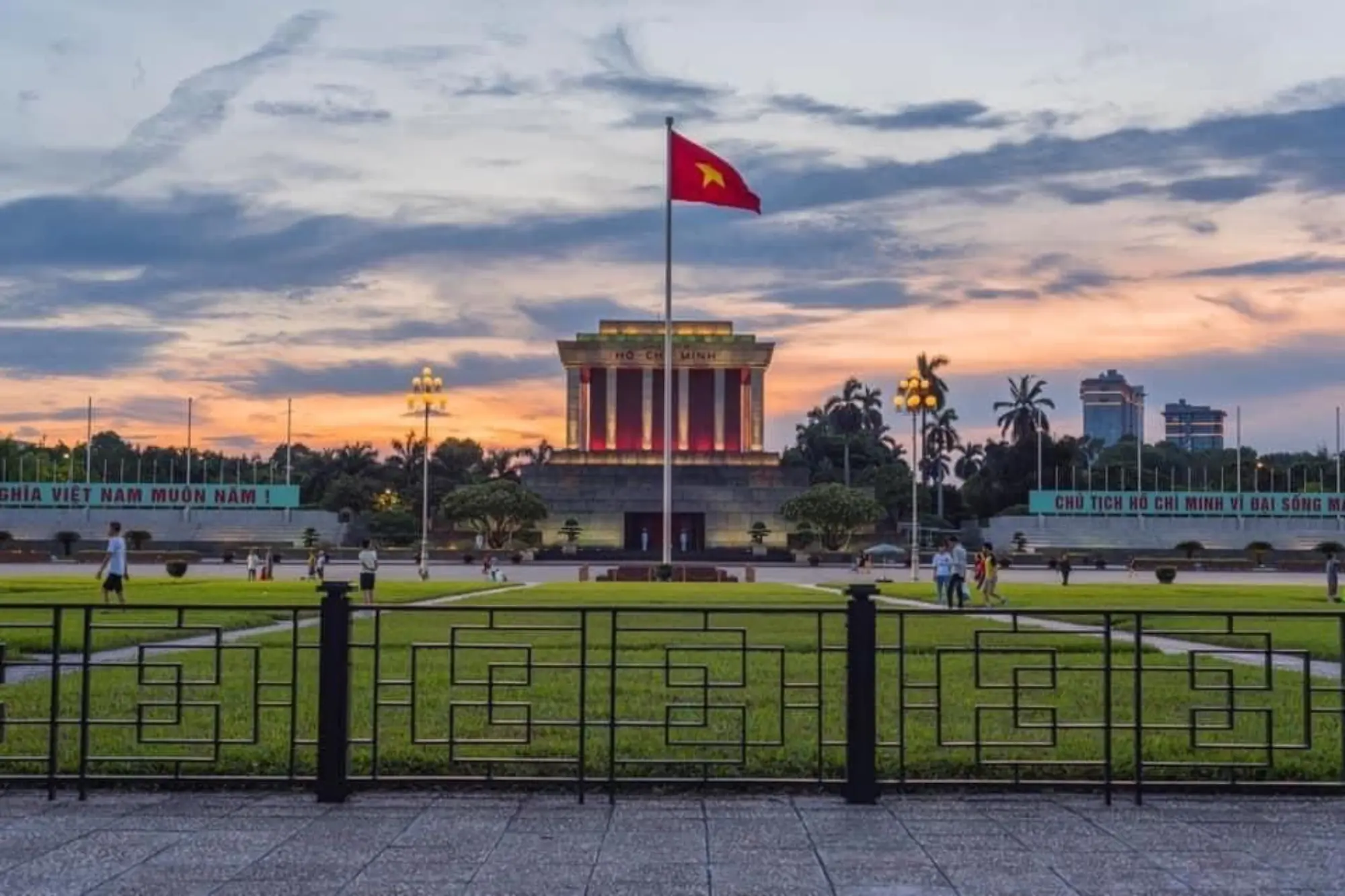
| 13 – 14 | Ho Chi Minh City | Landmarks, markets, food |
This route gives you a mix of northern, central, and southern Vietnam while keeping the number of major transfers relatively manageable.

However, this is not necessarily the cheapest possible itinerary.
If keeping the $1,000 budget is your top priority, consider removing one destination and spending more time in the others. A slower itinerary can reduce transportation costs while giving you more time to actually experience each place.
When Is $1,000 Not Enough for Vietnam?
A $1,000 budget becomes restrictive when you expect a more comfortable or premium travel experience.
You may need more than $1,000 if you want:
- 4–5-star hotels throughout the trip
- Frequent domestic flights
- Private airport transfers
- Private guides
- Luxury cruises
- Fine dining every day
- Extensive shopping
- Multiple organized tours
For this type of trip, a budget of $1,400 – $2,000+ is more realistic.
The biggest budget killers are usually not a $3 meal or a short Grab ride. They are accommodation upgrades, frequent long-distance transportation, cruises, and organized experiences.

Does $1,000 Include Flights to Vietnam?
No. The $1,000 budget in this guide refers to expenses inside Vietnam after arrival.
International airfare varies significantly depending on:
- Your departure country
- Travel dates
- Airline
- Booking time
- Number of connections
Visa fees and travel insurance should also be considered separately.
For a complete trip budget, calculate:
- International airfare
- Visa, if applicable
- Travel insurance
- Accommodation
- Food
- Transportation
- Activities
- Emergency money
This makes it much easier to understand what your actual trip will cost before you leave home.
How to Make $1,000 Last for 14 Days in Vietnam
1. Stay Longer in Fewer Places
Every additional destination creates another transportation and accommodation expense.
Spending three or four nights in one place is often more budget-friendly than constantly moving.
2. Eat Local
Local restaurants and street food can keep your daily food budget low while also giving you a more authentic experience.
You can still enjoy nicer restaurants occasionally without making them your default for every meal.
3. Mix Trains, Buses, and Flights
Do not assume that flying is always the best option.
Use flights strategically for long distances and consider trains or buses when the journey is shorter or an overnight trip can save a hotel night.
4. Plan Major Transportation in Advance
Long-distance transportation can represent a significant part of your budget.
Knowing your major route before arriving makes it easier to compare flights, trains, and buses and avoid expensive last-minute decisions.
5. Keep $75 – $100 Untouched
A budget is much easier to manage when you do not treat every dollar as available spending money.
Keep an emergency buffer for unexpected costs, then use what remains for experiences.
Should You Plan Your Vietnam Trip Yourself or Book a Full Tour?
Planning independently can make sense if you enjoy researching destinations, comparing hotels, and organizing transportation yourself. It gives you more control over your schedule and how you spend your budget.
However, for a longer Vietnam journey, planning everything yourself can also mean spending hours coordinating hotels, domestic transportation, airport transfers, activities, and the route between destinations.
A customized Vietnam journey can be a better fit if you value convenience, want to explore multiple regions, are traveling with family, or prefer to have the logistics taken care of while keeping the itinerary tailored to your interests.
If you would rather spend your time experiencing Vietnam instead of planning every detail of the trip, Nicetrips can help design a customized journey around your preferred destinations, pace, and travel style. Explore Vietnam your way, with the details taken care of.
Final Verdict: Is $1,000 Enough for 2 Weeks in Vietnam?
Yes. $1,000 can be enough for 2 weeks in Vietnam if international airfare is excluded and you travel with a budget-conscious plan.
With approximately $71 per day, you can cover private budget accommodation, local meals, transportation, selected activities, and an emergency buffer.
For a more comfortable mid-range experience, plan for approximately $1,400 – $2,000 or more.
The simplest way to look at it:
- Under $700: Backpacker-style travel
- $700 – $1,000: Budget to budget-comfortable
- $1,400 – $2,000: Comfortable mid-range
- $2,000+: Premium travel
So, if someone asks, “Is $1,000 enough for 2 weeks in Vietnam?”, the short answer is yes, but your travel style and itinerary matter more than the number itself.

Frequently Asked Questions
Is $1,000 enough for two people in Vietnam?
Not comfortably for two people for 14 days if the $1,000 needs to cover accommodation, food, transportation, and activities. Sharing a room can reduce accommodation costs, but a $1,000 total budget would require a very strict backpacking-style trip.
How much money do I need per day in Vietnam?
A practical budget is around $30 – $40 per day for basic budget travel and approximately $50 – $70 per day for a more comfortable budget-conscious trip. Mid-range travel can require considerably more depending on accommodation, transportation, and activities.
Is Vietnam cheap to visit in 2026?
Vietnam remains relatively affordable compared with many popular international destinations, particularly for local food, accommodation, and everyday transportation. However, domestic flights, cruises, upscale hotels, and organized tours can increase the total cost quickly.
Does $1,000 include flights to Vietnam?
No. The $1,000 budget discussed in this guide covers expenses inside Vietnam after arrival. International airfare should be calculated separately because prices vary significantly depending on your departure location and travel dates.
What is the cheapest way to travel around Vietnam?
Use a combination of buses, sleeper trains, occasional domestic flights, Grab, and walking. The biggest savings often come from reducing the number of long-distance transfers, rather than simply choosing the cheapest transport option every time.
Final Thoughts
So, is $1,000 enough for 2 weeks in Vietnam? Yes, if you plan carefully and focus your budget on what matters most to you. With around $71 per day, you can enjoy comfortable budget accommodation, local food, convenient transportation, and a selection of memorable experiences.
But a great Vietnam trip is not only about keeping costs low. The right itinerary can make your time in Vietnam more comfortable, efficient, and enjoyable.
If you would rather spend less time planning hotels, transportation, and activities and more time experiencing Vietnam, Nicetrips can create a customized journey based on your destinations, pace, interests, and travel style. Whether you want to explore Vietnam for two weeks or plan a longer journey across the country, our team can help bring the different pieces of your trip together.
Ready to plan your Vietnam journey? Explore a customized trip with Nicetrips and make every day of your journey count.