Autumn is one of the most rewarding times to travel Japan Golden Route, when comfortable temperatures and changing foliage make sightseeing easier and more scenic than in the peak summer heat. This 20-day itinerary walks you from Tokyo through Hakone, Kansai, the Japanese Alps and Kanazawa, then extends south to Okinawa for a slower finish. Rather than packing every day with back-to-back attractions, this Japan itinerary autumn plan is paced so you have time to actually enjoy each stop – with rest days, flexible afternoons and clear reasoning behind why each city earns its place on the map.
What Is the Japan Golden Route?
The Japan Golden Route is the country’s most established travel corridor, linking Tokyo, Mt. Fuji, Kyoto and Osaka along the historic Tokaido and Tokaido Shinkansen line. It earned its name because it concentrates Japan’s biggest highlights – modern cityscapes, iconic mountain views, temple towns and food culture – into a single, well-connected journey. Most travelers taking their first trip to Japan choose this corridor because train connections are frequent, English signage is common, and the pacing between “big city” and “traditional Japan” experiences works naturally.
Planning to travel during fall? Explore our guide to the Japan Golden Route in Autumn for seasonal highlights, route ideas, and practical planning tips.
Why Choose the Japan Golden Route in Autumn for a 20-Day Trip?
Autumn (roughly late September through early December, depending on the region) offers some of the most comfortable conditions for a long, multi-city trip. Daytime temperatures are mild enough for extended walking days, and humidity drops significantly compared to summer. This matters more than it might seem a 20-day itinerary involves a lot of walking between train stations, temples, gardens and old town streets, and cooler weather makes that far less tiring.
The season also changes what you see. As the route moves from Tokyo and Hakone into the Kansai region and the Japanese Alps, the foliage shifts with it, moving from early color in the mountains to peak reds and golds in Kyoto’s gardens later in the season. Parks, temple grounds and mountain viewpoints that feel ordinary in summer become genuine highlights in autumn light.
A quick overview of the 20-day route
Days | Region | Focus |
| 1-2 | Tokyo | City orientation, historic and modern Tokyo |
| 3 | Hakone / Mt. Fuji area | Lakes, mountain scenery |
| 4-6 | Nagoya → Osaka (+ optional Kyoto) | Food, shopping, urban energy |
| 7-8 | Kobe, Himeji, Hiroshima, Miyajima | Castles, gardens, peace history |
| 9-10 | Kyoto | Temples, gardens, slower pace |
| 11 | Kanazawa | Gardens, samurai districts |
| 12-13 | Japanese Alps (Shirakawa-go, Takayama, Matsumoto) | Mountain villages, autumn landscape |
| 14-15 | Tokyo | Culture, food, traditional experiences |
| 16-19 | Okinawa | Island extension, history, relaxation |
| 20 | Departure |
The Complete 20-Day Japan Golden Route Autumn Itinerary
A 20-day Japan Golden Route gives you more time to experience Japan beyond its major cities. Instead of rushing from one attraction to another, this route combines Tokyo’s modern energy, Mt. Fuji and Hakone’s scenery, the cultural highlights of Kansai, Hiroshima and Miyajima, the historic towns of Kanazawa and Takayama, and a final island escape in Okinawa.
For travelers planning a Japan itinerary autumn, the route is especially appealing because it combines urban sightseeing, historic districts, gardens, mountain landscapes, and coastal scenery. The pace also leaves room for slower days in Osaka, Kyoto, Tokyo, and Okinawa.
Day 1 – Start Your Japan Golden Route in Tokyo
Rather than rushing from the airport into sightseeing, treat your first day as an easy landing point. Tokyo works well as a starting city precisely because it eases you into Japan’s rhythm: a mix of ultra-modern infrastructure and quiet traditional pockets exists side by side, so there’s no pressure to see everything at once. After a long flight, keep the schedule light – check into your accommodation, take a short walk around your neighborhood, and let jet lag settle before the itinerary picks up pace. Autumn’s mild evenings make an unhurried walk genuinely enjoyable rather than something to get through.
Day 2 – Explore Tokyo’s Historic and Modern Sides
This is the day to see Tokyo’s contrasts up close. Start at the Imperial Palace grounds, then head to Asakusa for Senso-ji temple and the shops along Nakamise Street – this district gives the clearest sense of “old Tokyo” you’ll find in the city center. A walk along the Sumida River connects naturally to the afternoon. In the evening, shift gears entirely at Shibuya Crossing and the Tokyo Metropolitan Government Building, which offers a free observation deck with skyline views.
Autumn tip: Asakusa’s outdoor walkways and riverside paths are far more comfortable in autumn’s cooler air, so it’s worth allocating extra time here rather than rushing through.
Day 3 – Hakone, Lake Ashi and Mt. Fuji
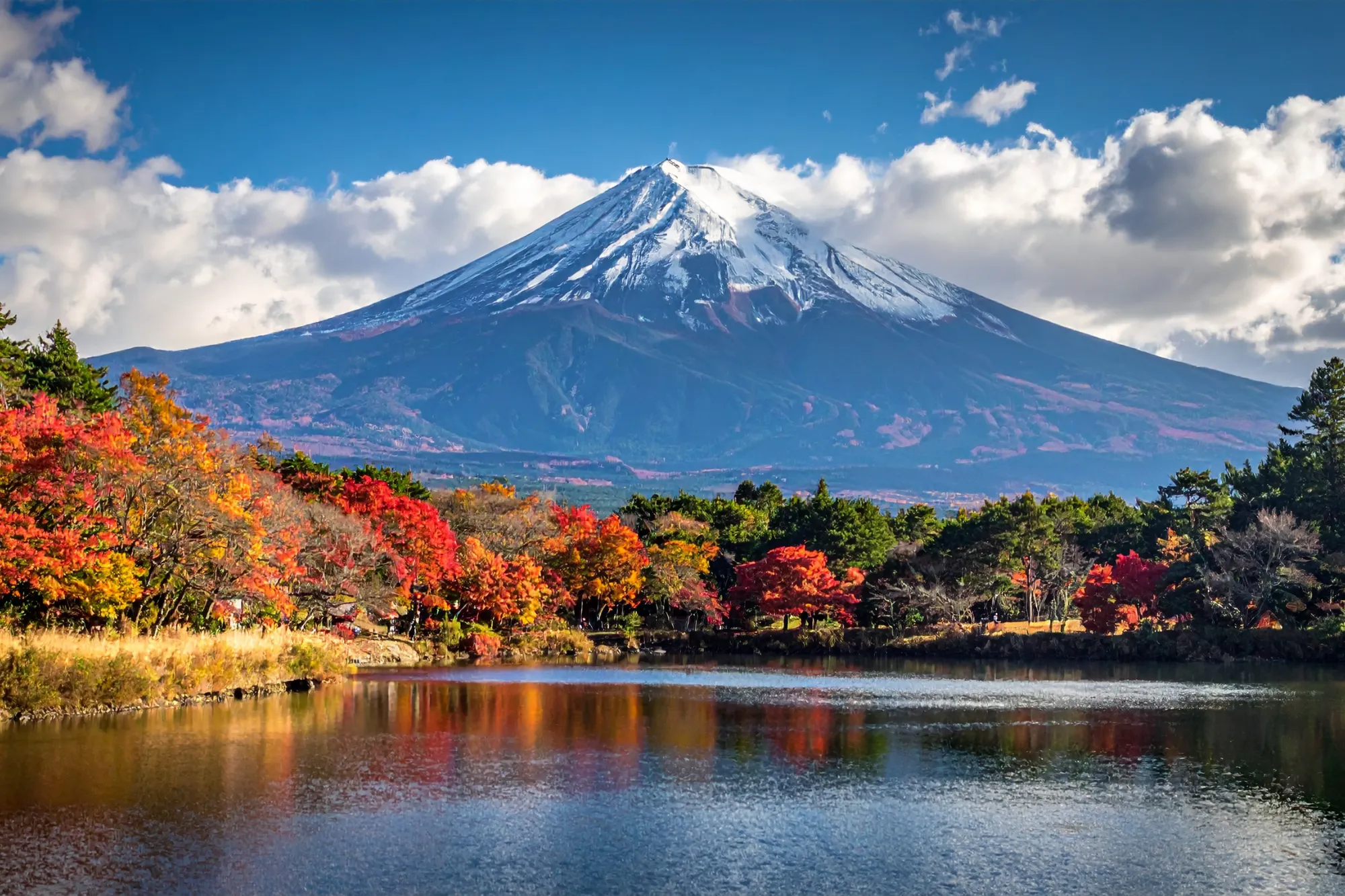
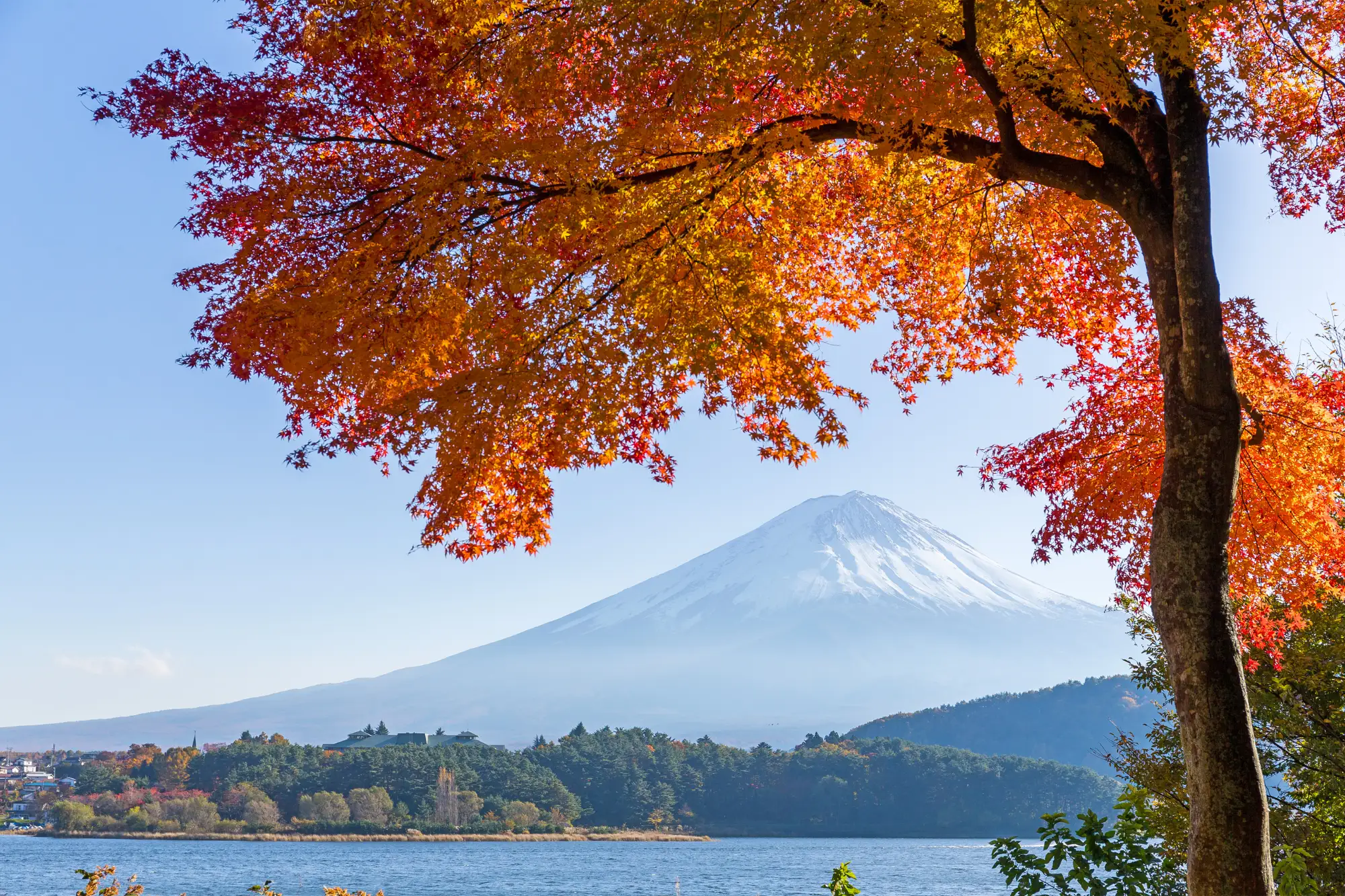
Leave Tokyo for the Hakone and Mt. Fuji region. Cruise across Lake Ashi, visit Fuji Heiwa Park, and continue to Lake Kawaguchiko for views of Mt. Fuji and the surrounding landscape.
Autumn adds another layer to the scenery, with mountain landscapes and lakes providing a natural contrast to Tokyo’s urban environment.
Day 4 – Nagoya to Osaka: A Short Stop Along the Route
Travel through Nagoya on the way to Osaka. Visit the Toyota Commemorative Museum of Industry and Technology, then explore Osu Shopping Street and nearby Osu Kannon Temple before continuing to Osaka.
Nagoya works well as a short stop because it adds technology, local shopping, and everyday city culture without significantly breaking the route.
Day 5 – Nara Deer Park and Osaka’s Evening Lights
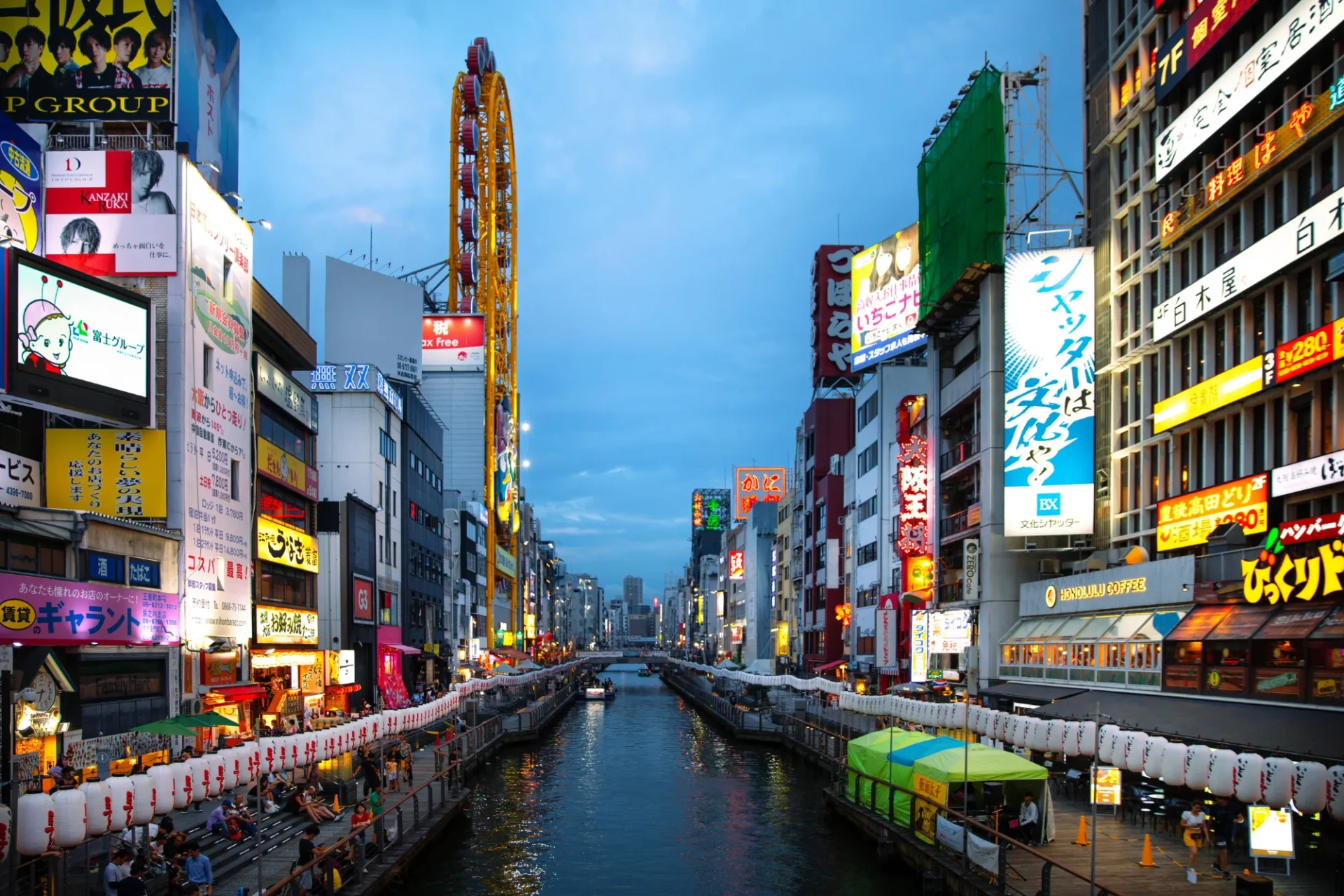
Spend the day between Nara and Osaka. In Nara, visit Deer Park and Todai-ji Temple before returning to Osaka for Dotonbori and Osaka Castle.
For an autumn Japan itinerary, Nara offers a welcome change of pace with open parkland, temples, and seasonal scenery. In the evening, Dotonbori brings you back into Osaka’s energetic food and entertainment scene.
Day 6 – Spend a Flexible Autumn Day in Osaka
Build in one deliberately unstructured day here. You can stay in Osaka for food, shopping and a closer look at Osaka Castle, or use the day for an optional trip to Kyoto if you’d rather prioritize temples and gardens early. A popular Kyoto day option covers Fushimi Inari, the Arashiyama Bamboo Grove, Togetsukyo Bridge and Kinkaku-ji. If garden scenery and autumn foliage are a priority for you, this is worth considering, since Kyoto’s temple gardens are one of the most reliable places on the whole route to see strong seasonal color.
Day 7 – Kobe, Himeji Castle and the Journey to Hiroshima
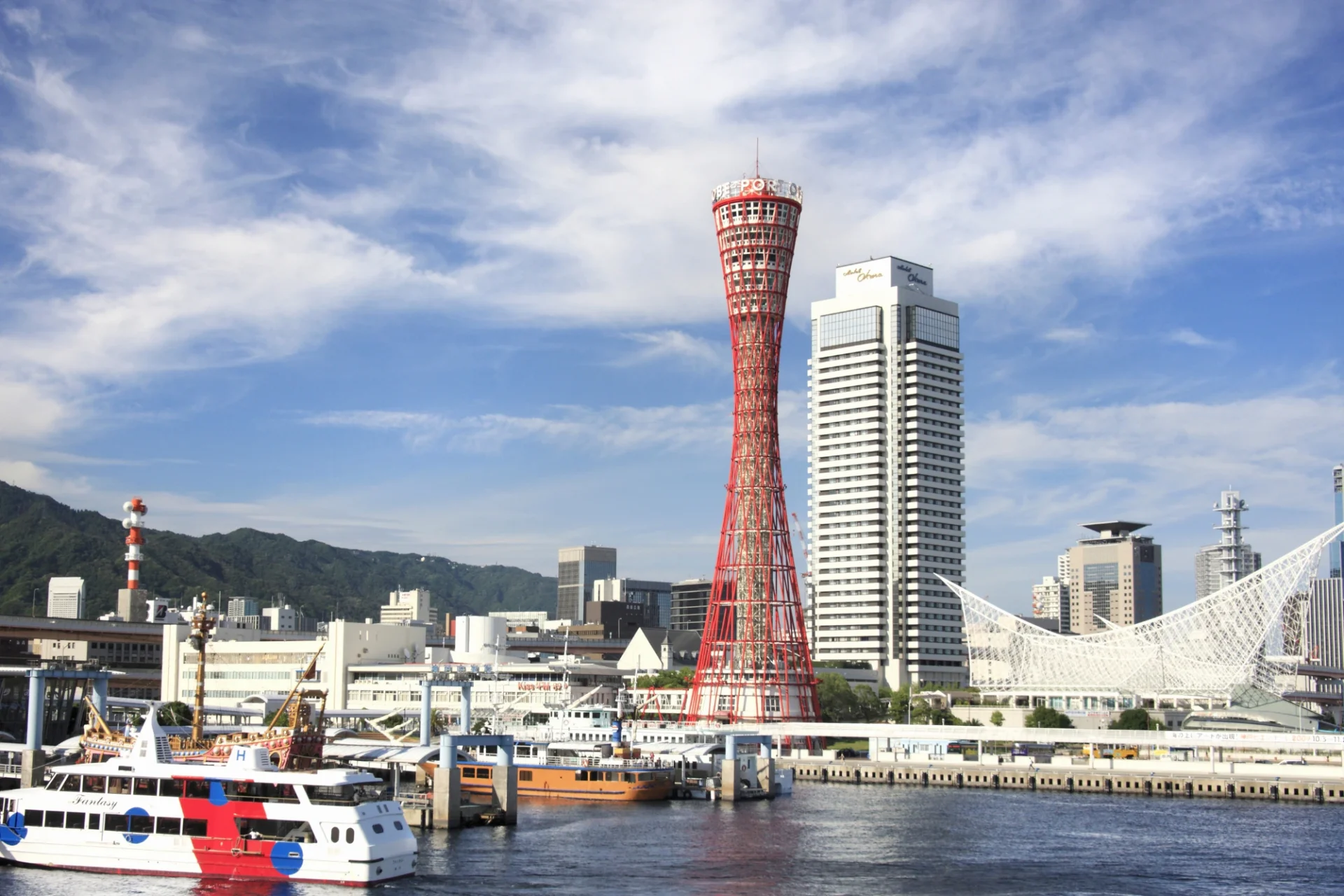
This day works as a scenic bridge between Osaka and Hiroshima. In Kobe, Meriken Park, the Kobe Port Tower and the BE KOBE sign make for an easy waterfront stop. From there, Himeji Castle – one of Japan’s best-preserved original castles – is worth the detour for its architecture and history alone, and the adjoining Koko-en garden pairs well with the season. End the day continuing on to Hiroshima.
Day 8 – Miyajima and Hiroshima Peace Memorial
Begin at Hiroshima Peace Memorial Park and visit the Atomic Bomb Dome and Peace Memorial Museum before continuing to Miyajima. Explore Itsukushima Shrine and its famous floating torii gate, then return to Kyoto by Shinkansen.
Miyajima is particularly valuable in a golden route japan Autumn Itinerary because it combines cultural heritage with an island landscape.
Day 9 – Discover Kyoto’s Temples, Gardens and Old Streets
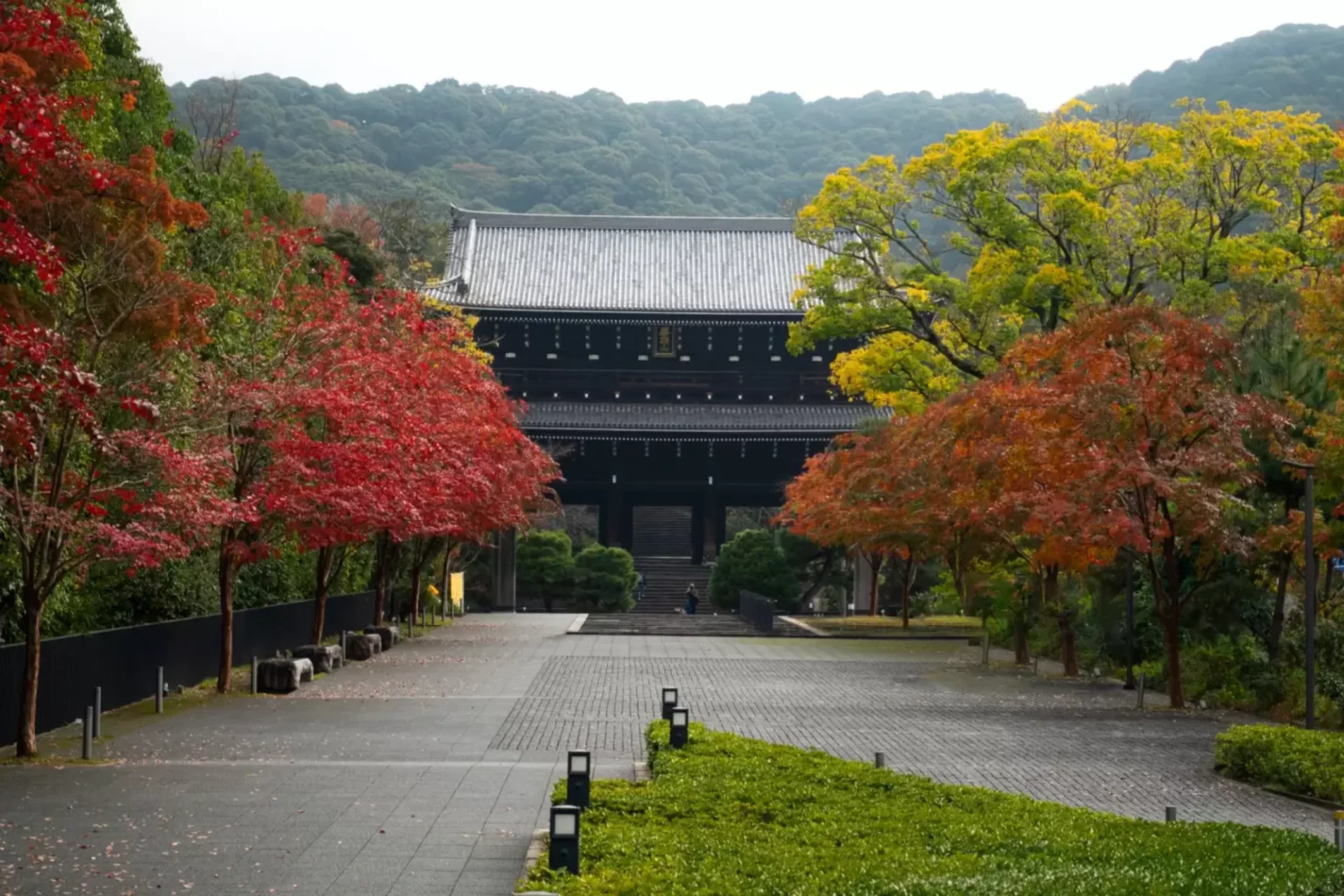
This is one of the most important days on the entire itinerary for anyone traveling the Golden Route specifically for autumn scenery. Ryoan-ji’s rock garden, Chion-in temple, Heian Jingu shrine and the food stalls of Nishiki Market each offer a different angle on the city. What sets Kyoto apart from Tokyo or Osaka on this route is the density of gardens, temple grounds and preserved traditional streets in a relatively walkable area – exactly the combination that makes autumn foliage here feel dramatically different from a typical city park.
Day 10 – Leave Room for a Slower Kyoto Autumn Day
Keep Kyoto flexible rather than filling every hour with sightseeing. Explore another temple or garden, browse local crafts, or experience a traditional tea ceremony.
An evening walk through Gion is another option, offering a quieter look at Kyoto’s historic streets.
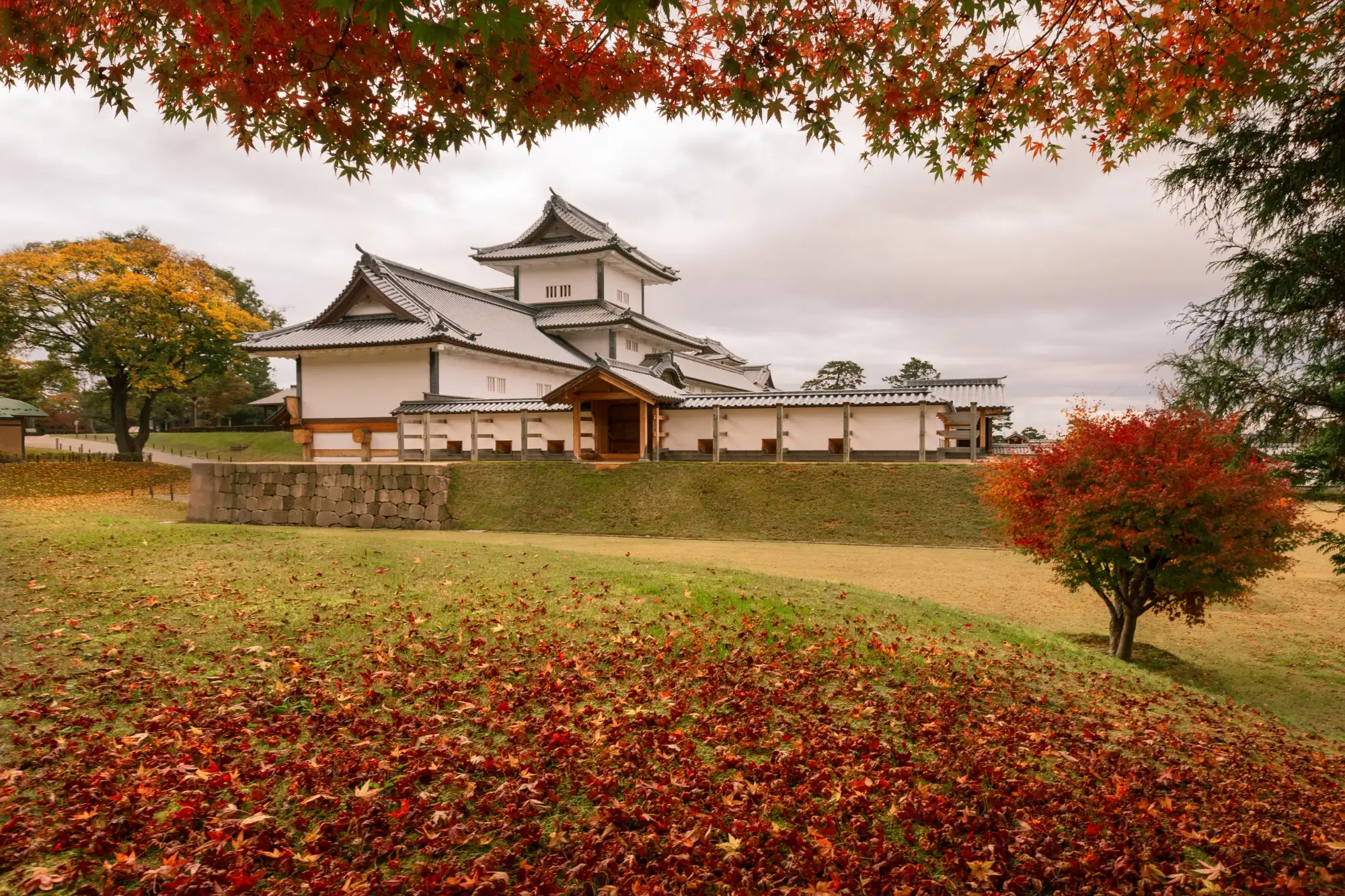
Day 11 – Kanazawa: Gardens, Samurai and Teahouse Districts
Continue to Kanazawa, beginning at Omicho Market before visiting Kenroku-en Garden, the Nagamachi Samurai District, Nomura Samurai Residence, and Higashi Chaya District.
Kenroku-en makes Kanazawa especially interesting in autumn, while the samurai district and traditional teahouses offer a different cultural experience from Kyoto.
Day 12 – Shirakawa-go and Takayama in the Japanese Alps
Head into the Japanese Alps to visit Shirakawa-go, known for its traditional Gassho-zukuri houses, followed by Takayama Old Town with its preserved wooden merchant houses, local sake, and Hida beef.
This is where the Japan Golden Route in Autumn shifts from major cities to mountain landscapes, cooler air, traditional villages, and seasonal colors.
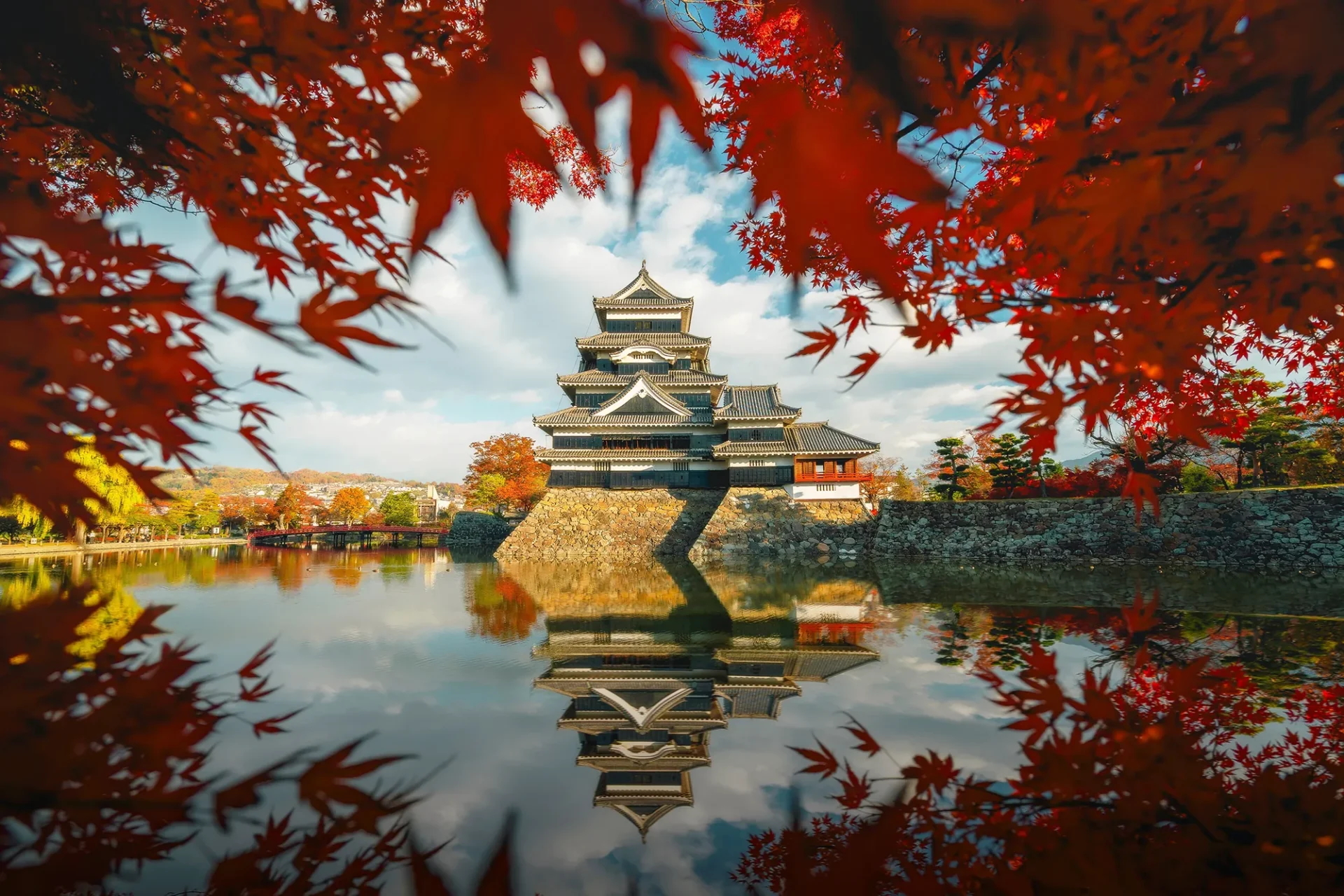
Day 13 – Matsumoto Castle and Return to Tokyo
Travel back toward Tokyo through Matsumoto. Visit Matsumoto Castle and walk along Nawate Shopping Street before continuing to Tokyo.
Rather than returning directly to Tokyo, Matsumoto adds a historic castle town and mountain setting to the journey, making the route more varied.
Day 14 – Meiji Shrine, Shinjuku Gyoen and Tokyo Sumo Experience
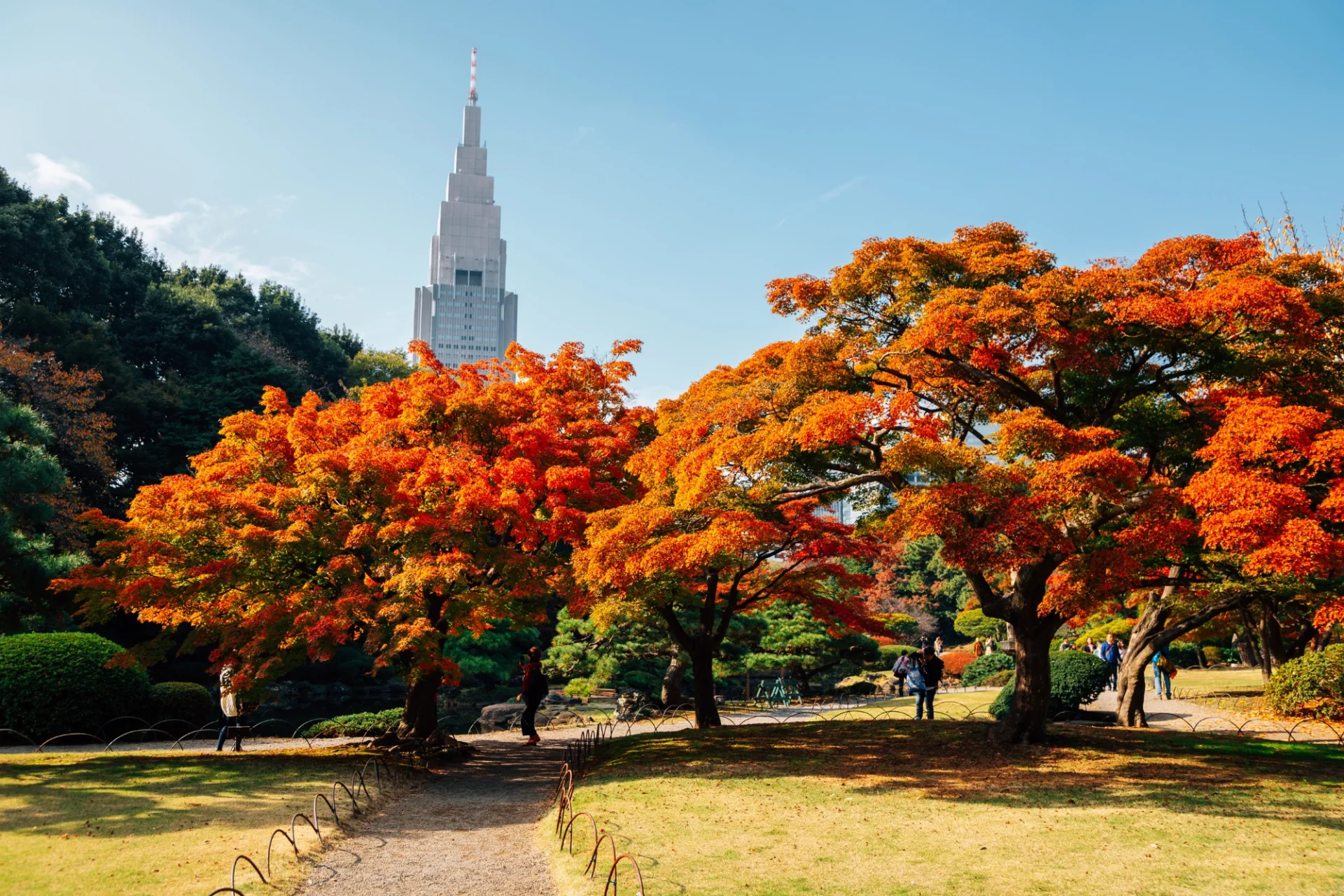
Back in Tokyo, this day balances nature, food and culture in roughly equal parts. Meiji Jingu shrine offers a forested, quiet start to the day, while Shinjuku Gyoen – one of Tokyo’s best parks for seasonal foliage – is worth prioritizing if autumn color is a priority for you. Round out the day with the food stalls at Tsukiji Outer Market and, if timing allows, a sumo viewing or demonstration experience for a look at one of Japan’s most distinctive traditions.
Day 15 – Kimono, Matcha and Traditional Tokyo
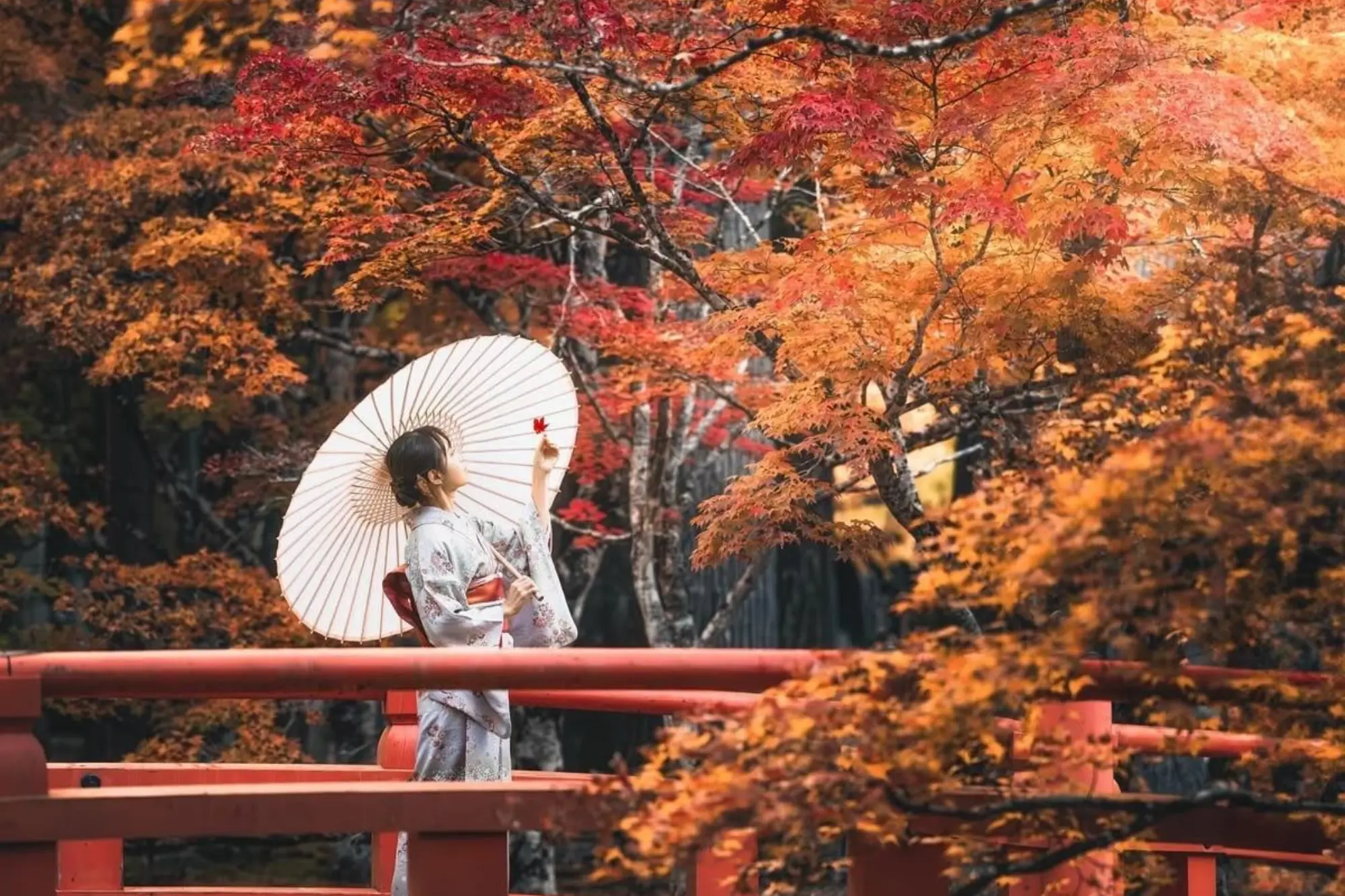
Dedicate this day to hands-on cultural experiences rather than sightseeing. A kimono rental and matcha tea ceremony offer a more personal way to engage with Japanese tradition than simply viewing it. Balance that with Ameyoko, a lively market street near Ueno, and Gotokuji Temple, known for its rows of maneki-neko (lucky cat) figurines – a quieter, less-visited stop that rounds out your time in Tokyo before heading south.
Day 16 – From Tokyo to Okinawa: Extending the Golden Route
Okinawa is not part of the traditional Golden Route on Honshu, but adding it to a 20-day itinerary changes the trip’s rhythm in a way that’s well worth the flight south. After more than two weeks of cities, temples and mountains, Okinawa shifts the experience toward island and coastal scenery, giving the back half of the trip a noticeably slower pace.
Day 17 – Discover Okinawa’s Ryukyu History and Peace Sites
Explore Shuri Castle, the former royal palace of the Ryukyu Kingdom, followed by the Former Japanese Navy Underground Headquarters, Himeyuri Peace Museum, and Peace Memorial Park.
The day shows why Okinawa is more than a beach destination, with a distinct cultural history and important wartime heritage.

Day 18 – Slow Down with an Okinawa Nature Day
Take a break from sightseeing and enjoy Okinawa’s natural side. Spend the day at a local beach or consider an optional trip to Tokashiki Island.
After nearly three weeks of travel, this slower day gives the itinerary more breathing room.
Day 19 – A Relaxed Final Day in Okinawa
Keep the final day simple. Enjoy breakfast, spend time at your hotel or nearby, and prepare for your journey home rather than adding another long excursion.

Day 20 – End Your 20-Day Japan Journey
After breakfast, transfer to the airport for your flight home, bringing your 20-day journey through Japan to an end.
If you prefer to follow a professionally arranged itinerary, you can explore 20-Day Japan Discovery with Nicetrip Travels
Practical Tips for a 20-Day Japan Golden Route in Autumn
- Pack layers: Autumn temperatures vary widely between Tokyo, the mountains and Okinawa, so a light jacket for the Alps and lighter clothing for Okinawa are both worth packing.
- Wear comfortable shoes: This japan itinerary autumn includes temples, gardens, historic districts, markets, and outdoor sightseeing, so expect plenty of walking.
- Book a rail pass in advance: A long-distance rail pass usually pays off on a route this extensive, but compare current pricing against individual tickets before committing, since pass value depends on your exact route.
- Expect larger crowds at peak foliage spots: Kyoto and Miyajima in particular get busy during peak color weeks, so early mornings are worth it for popular temples and shrines.
- Confirm opening hours and reservations ahead of time, especially for castles, gardens and cultural experiences like tea ceremonies, since hours can shift seasonally.
Frequently Asked Questions About the Japan Golden Route in Autumn
Is 20 days enough for the full Japan Golden Route plus Okinawa?
Yes – this itinerary is specifically paced for 20 days, including rest days, so it avoids the rushed feeling common on shorter Golden Route trips.
What is the best month for autumn foliage on this route?
Foliage timing varies by region and by year; the Japanese Alps and northern areas typically color first, with Kyoto and Kanazawa often peaking in November. Check official seasonal forecasts closer to your travel dates.
What should I pack for a japan itinerary autumn?
Pack layers, comfortable walking shoes, and a light outer layer. Temperatures can vary between major cities and cooler destinations in the Japanese Alps, so flexible clothing is useful.
Is the Japan Golden Route crowded in autumn?
Popular destinations such as Kyoto, Hakone, and major foliage-viewing spots can become busy during peak autumn periods. Booking accommodation early and starting sightseeing earlier in the day can help make the experience more comfortable.
Final Thoughts
A 20-day Japan Golden Route in autumn gives you room to actually experience each stop rather than rushing between them – from Tokyo’s contrasts and Hakone’s lake views to Kyoto’s gardens, the Japanese Alps’ mountain villages and Okinawa’s slower island pace. The season’s mild weather and changing colors add a layer that a summer or winter version of the same route simply doesn’t have. As with any long trip, double-check current opening hours, transport schedules and reservation requirements closer to your travel dates, since details like these can change.
If you are planning a trip during autumn, consider the foliage season when choosing destinations and allow some flexibility around weather and crowd levels. For more seasonal planning ideas, explore our guide to the Japan Golden Route in Autumn or browse our Japan itineraries for further inspiration. If you prefer a trip planned around your schedule and travel style, you can also contact the Nicetrips team for personalized advice.