Tokyo is one of the world’s most exciting destinations, offering something unique in every season. From the famous cherry blossoms of spring and colorful autumn foliage to lively summer festivals and dazzling winter illuminations, every time of year brings a completely different side of the city. The best time to visit Tokyo depends on what you hope to experience, whether it’s sightseeing, shopping, seasonal events, or comfortable weather for exploring.
This guide covers Tokyo’s weather throughout the year, highlights the best month to go to Tokyo for different travel styles, and shares practical tips to help you plan the perfect itinerary. Whether you’re visiting for the first time or returning to discover more of Japan’s vibrant capital, you’ll find everything you need to decide when to go.
Why Timing Matters When Visiting Tokyo
Choosing the right season can completely change your experience in Tokyo. While the city is a year-round destination, weather conditions, seasonal events, tourist crowds, and accommodation prices vary significantly throughout the year.
- Spring attracts millions of visitors hoping to see Japan’s iconic cherry blossoms.
- Autumn offers pleasant temperatures and breathtaking maple leaves.
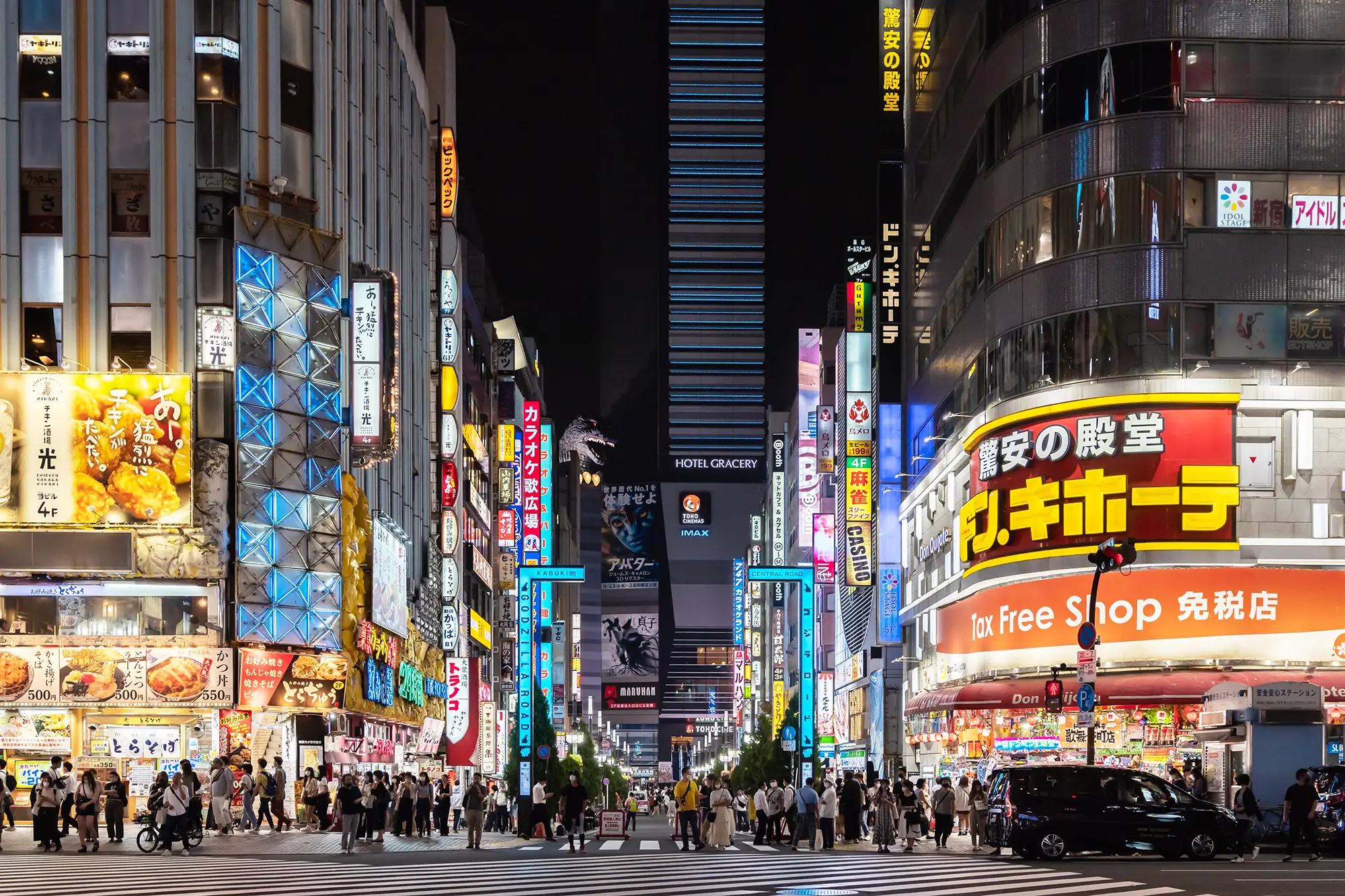
- Summer is packed with fireworks festivals, cultural events, and vibrant nightlife, although higher temperatures and humidity may not suit every traveler.
- Winter, on the other hand, brings crisp weather, spectacular illuminations, and fewer crowds, making it an excellent option for those looking for a quieter holiday.
Understanding these seasonal differences helps you decide the best month to go to Tokyo based on your interests, budget, and travel style. Whether you’re planning a relaxed Tokyo city tour, a photography-focused holiday, or using the capital as the starting point for a Tokyo day trip, choosing the right season will help you make the most of your visit.
1. Spring (March to May)
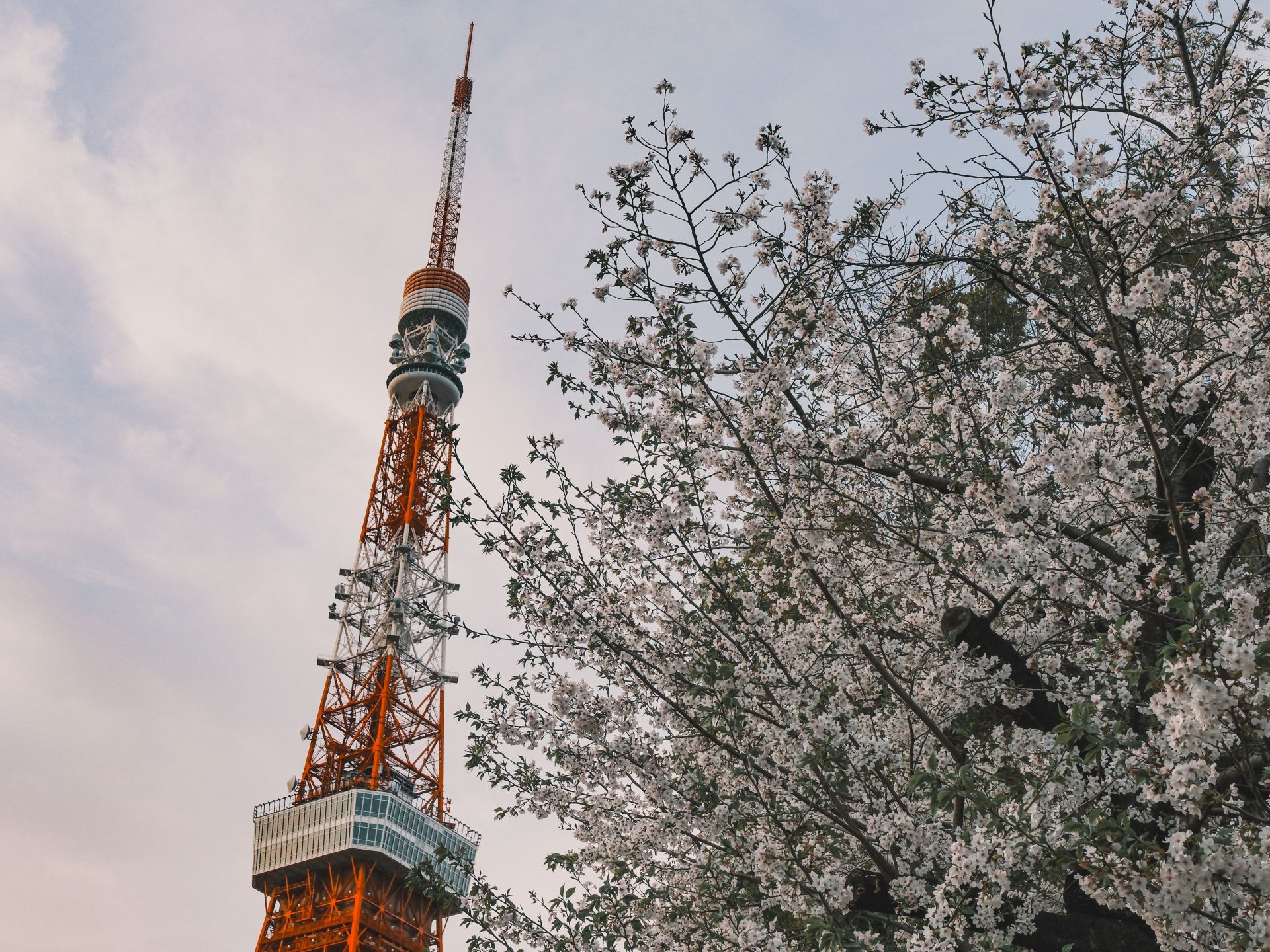
Spring is widely considered the best time to visit Tokyo, especially for first-time visitors. Temperatures typically range from 10°C to 22°C (50°F-72°F), creating comfortable conditions for walking tours and outdoor sightseeing.
The highlight of the season is undoubtedly the cherry blossom (sakura) season, usually occurring between late March and early April. Parks such as Ueno Park, Shinjuku Gyoen, and Chidorigafuchi become filled with blooming sakura trees, attracting both locals and international travelers for traditional hanami picnics.
Spring is best for:
- First-time visitors
- Cherry blossom viewing
- Photography enthusiasts
- Nature lovers
- Walking tours
- Outdoor sightseeing
2. Summer (June to August)
Summer in Tokyo is warm, energetic, and filled with cultural celebrations. Average temperatures range between 23°C and 33°C (73°F-91°F), while humidity levels can be quite high.
Weather: June marks the start of Japan’s rainy season, with short periods of rainfall. By July and August, sunny days return, but temperatures and humidity remain high.
Things to do: Visit indoor attractions such as museums, shopping districts, aquariums, and observation decks during the hottest hours. Summer evenings are ideal for outdoor festivals and city exploration.
Summer is best for:
- Festival lovers
- Nightlife enthusiasts
- Fireworks events
- Outdoor concerts
- Climbing Mt. Fuji
- Summer cultural experiences
3. Autumn (September to November)
Autumn is another excellent answer to the question, “When is the best time to visit Tokyo?” Temperatures gradually cool to between 15°C and 27°C (59°F-81°F), offering some of the year’s most comfortable weather.
Weather: Clear skies, lower humidity, and cooler temperatures create ideal conditions for sightseeing, day trips, and outdoor photography.
Places to visit: From late October to November, Tokyo’s parks, temples, and gardens showcase vibrant autumn foliage. Popular spots include: Rikugien Garden, Koishikawa Korakuen, and Meiji Jingu Gaien.
Autumn is best for:
- Couples
- Families
- Scenic photography
- Autumn foliage viewing
- Comfortable sightseeing
- Outdoor exploration
4. Winter (December to February)
Winter offers a completely different atmosphere in Tokyo. Temperatures generally range between 2°C and 12°C (36°F-54°F), but the weather remains relatively dry with plenty of sunny days.
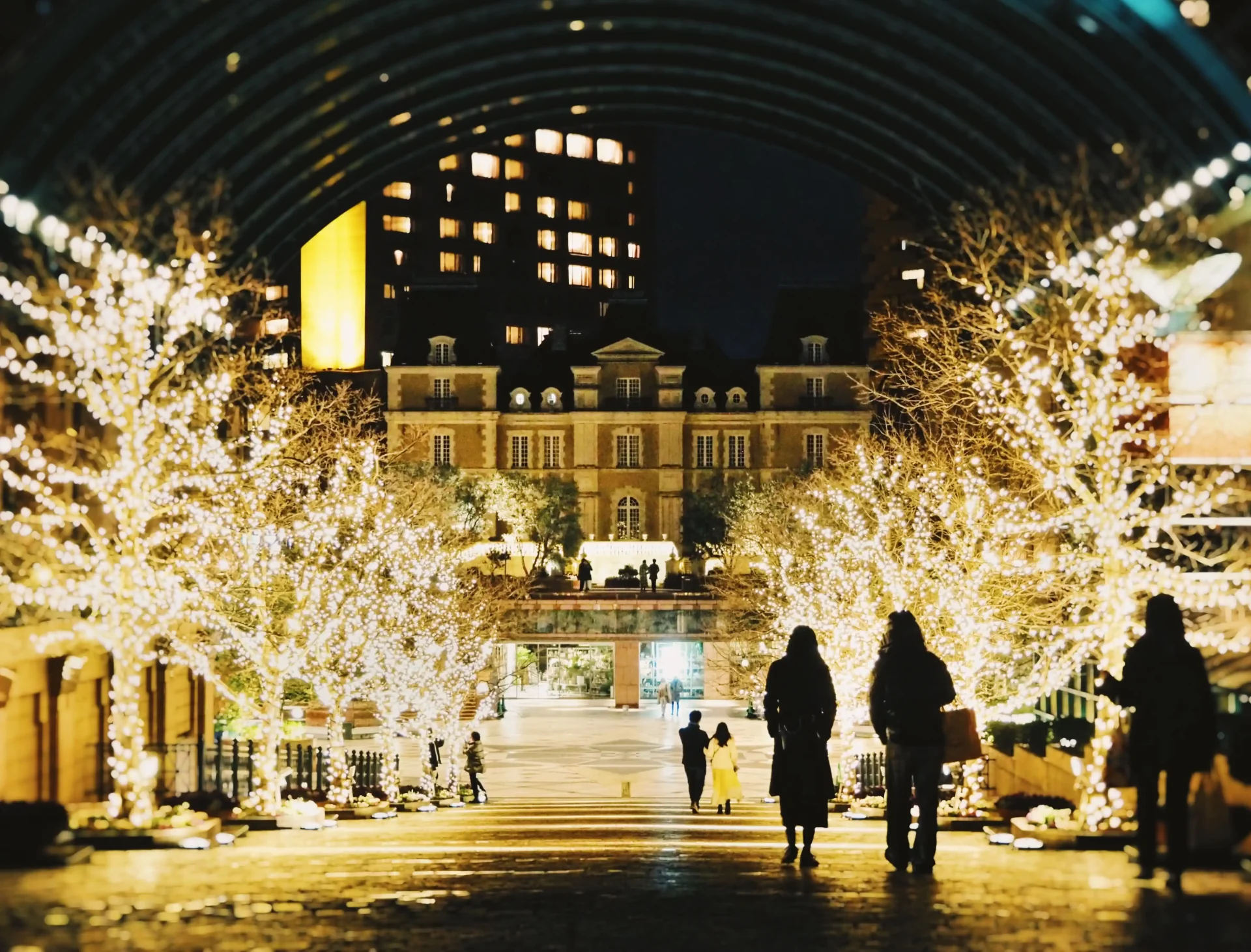
Winter illuminations: From December, areas such as Marunouchi, Roppongi Hills, Tokyo Midtown, and Omotesando feature stunning light displays, creating a festive atmosphere across the city.
Things to do: Winter is a great time for shopping with New Year sales and seasonal promotions. Travelers can also combine their Tokyo trip with nearby snow destinations such as Gala Yuzawa or Kusatsu Onsen.
Winter is best for:
- Budget-conscious travelers
- Winter illuminations
- Shopping
- Snow day trips
- Traditional New Year experiences
- Travelers seeking fewer crowds
Month-by-Month Guide to Visiting Tokyo
If you’re still wondering about the best time to visit Tokyo, this month-by-month guide provides a quick overview of the weather, seasonal highlights, and recommended activities throughout the year. Whether you’re chasing cherry blossoms, autumn foliage, or vibrant festivals, each month offers something unique for every traveler.
| Month | Weather | Highlights & Recommended Experiences |
| January | Cold, dry (2-10°C) | Celebrate New Year traditions, visit shrines for Hatsumode, enjoy winter illuminations, and shop during New Year sales. |
| February | Cold, sunny (3-11°C) | Plum blossoms begin to bloom, fewer tourists, ideal for museums, shopping, and nearby snow day trips. |
| March | Mild (7-15°C) | Early spring arrives with plum blossoms and the beginning of cherry blossom season. Great time for parks and outdoor sightseeing. |
| April | Pleasant (12-20°C) | Peak cherry blossom season, one of the most popular months to visit Tokyo. Perfect for photography, gardens, and walking tours. |
| May | Warm and comfortable (16-24°C) | Fresh greenery, clear skies, and comfortable temperatures make May one of the best months for sightseeing and Tokyo day trips. |
| June | Warm and humid (20-27°C) | Rainy season begins. Visit indoor attractions, cafés, museums, and beautiful hydrangea gardens throughout the city. |
| July | Hot and humid (24-31°C) | Fireworks festivals, Bon Odori celebrations, and the opening of Mt. Fuji climbing season create a lively summer atmosphere. |
| August | Very hot (25-33°C) | Summer festivals, outdoor concerts, rooftop beer gardens, and exciting nightlife make August perfect for energetic travelers. |
| September | Warm with occasional rain (22-29°C) | Early autumn brings cooler evenings, seasonal foods, and fewer crowds before the autumn foliage season begins. |
| October | Mild and sunny (17-24°C) | Comfortable weather, clear skies, and the first autumn colors make October ideal for a Tokyo city tour and outdoor exploration. |
| November | Cool (11-18°C) | Peak autumn foliage, scenic parks and gardens, seasonal festivals, and excellent photography opportunities across Tokyo. |
| December | Cold and dry (5-13°C) | Spectacular Christmas illuminations, festive shopping, winter cuisine, and a magical atmosphere throughout the city. |
Which season is the most suitable for your travel style?
The best time to visit Tokyo depends on your interests and travel priorities. While every season offers something unique, choosing the right time can help you make the most of your trip. Here’s a quick guide to finding the perfect season for your Tokyo day trip.
| Travel style | Best time to visit | Why It’s the best choice | Recommended experiences |
| Cherry Blossoms | Late March – Early April | Tokyo’s parks and riversides are covered in cherry blossoms, creating Japan’s most iconic spring scenery. | Hanami at Ueno Park, Shinjuku Gyoen, Chidorigafuchi, and the Meguro River. |
| Autumn Leaves | November | Pleasant weather and vibrant maple and ginkgo foliage make it the best season for sightseeing. | Visit Rikugien Garden, Meiji Jingu Gaien, or take a day trip to Hakone or Lake Kawaguchiko. |
| Budget Travelers | January, February & June | Lower hotel rates, cheaper flights, and fewer crowds compared with peak seasons. | Explore museums, shopping districts, and popular attractions with shorter queues. |
| Families | April, May, October & November | Mild temperatures make outdoor sightseeing comfortable for all ages. | Tokyo Disneyland, DisneySea, Ueno Zoo, Shinjuku Gyoen, and teamLab exhibitions. |
| Food Lovers | Year-round (especially Autumn & Winter) | Seasonal ingredients and limited-time specialties are available throughout the year. | Try matsutake mushrooms, wagashi, ramen, oden, hot pot, and seasonal street food. |
| Shopping | January, July & December | Major seasonal sales and festive shopping events offer the best bargains. | Shop in Ginza, Shibuya, Harajuku, Akihabara, and enjoy Christmas illuminations in December. |
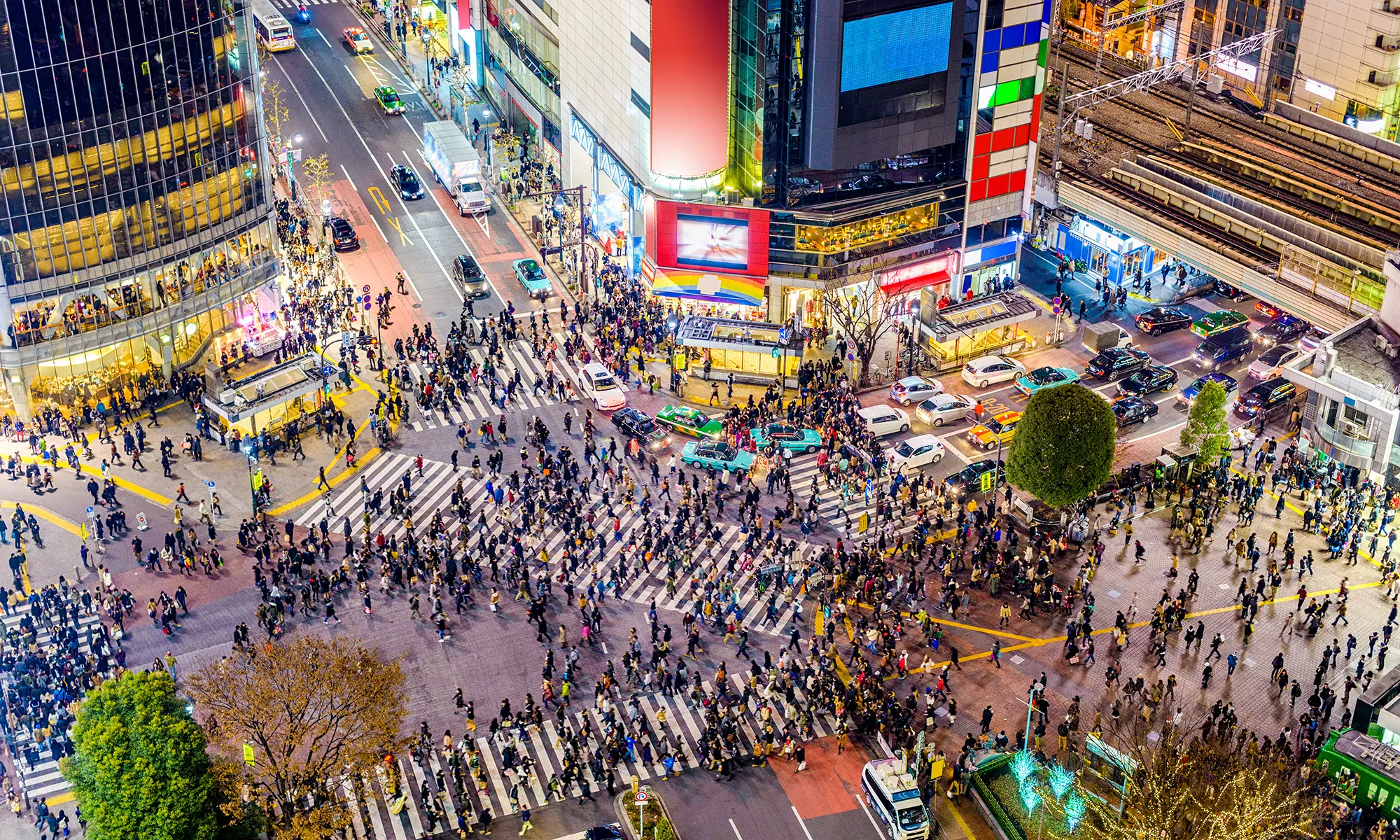
Essential Travel Tips for First-Time Visitors to Tokyo
1. Purchase an IC Card
One of the first things you should do after joining a Tokyo day trip is purchase a rechargeable IC card such as Suica or PASMO. These cards allow you to travel seamlessly on almost all trains, subways, buses, and many local railway lines without buying individual tickets for every journey.
Beyond transportation, IC cards are also accepted at convenience stores, vending machines, coin lockers, supermarkets, and even some cafés and restaurants. Simply tap your card when entering and exiting stations, making your daily travel much faster and more convenient.
2. Book Accommodation Early During Peak Seasons
Tokyo welcomes visitors throughout the year, but accommodation fills up quickly during the busiest travel seasons. Hotels are especially popular during late March to early April for cherry blossom viewing and throughout November when autumn foliage reaches its peak. Booking your hotel two to four months in advance often provides better room availability, more competitive prices, and a wider range of accommodation choices.
3. Carry Some Cash
While Japan has become increasingly cashless in recent years, cash is still widely used in everyday life. Many family-run restaurants, traditional cafés, small souvenir shops, temples, shrines, and local markets either prefer cash or do not accept international credit cards.
Keeping a small amount of Japanese yen with you ensures you won’t miss out on authentic local experiences, whether you’re dining at family-run restaurants, visiting traditional temples, or shopping for local souvenirs during a Tokyo day trip.
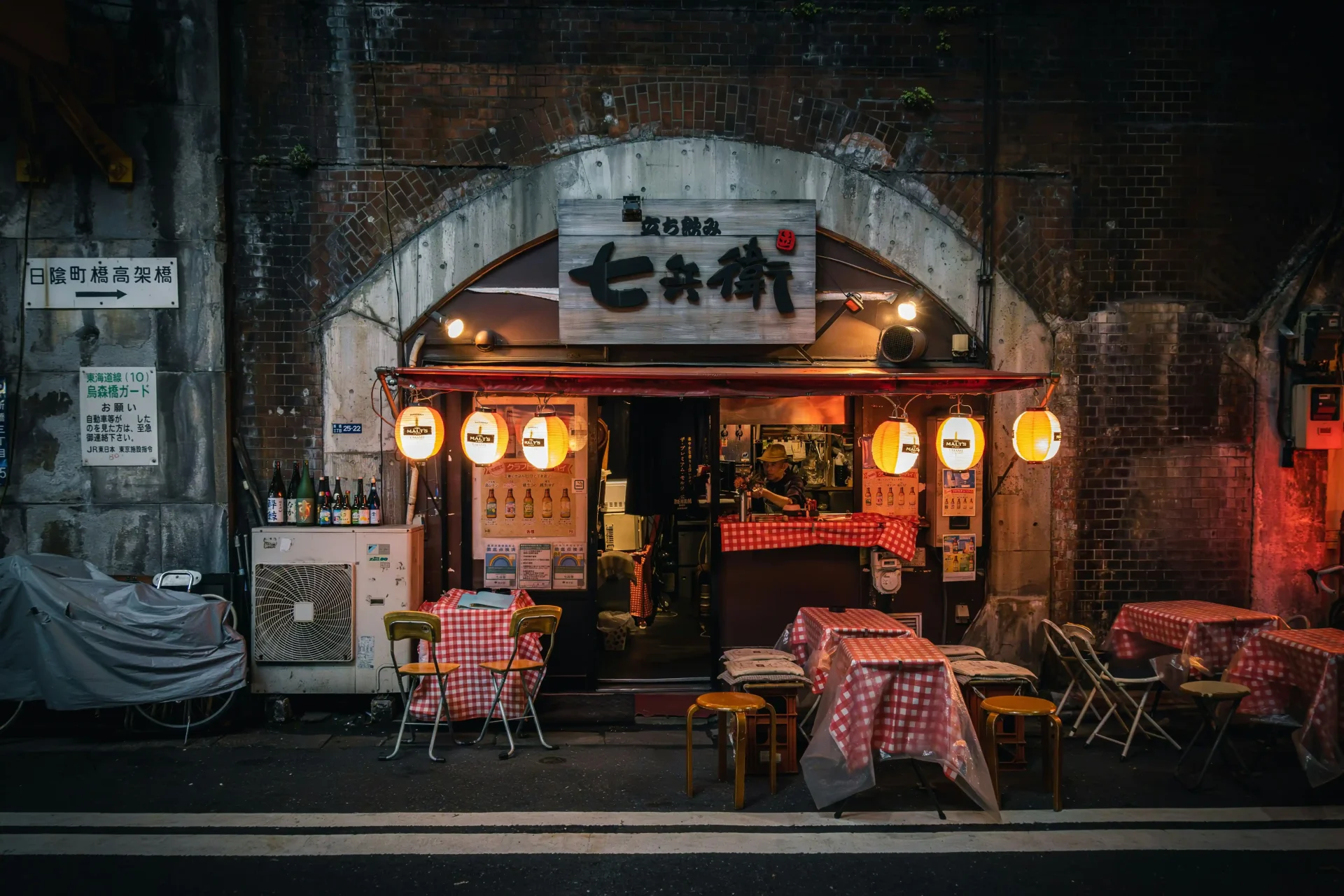
4. Pack Comfortable Walking Shoes
Tokyo is one of the most walkable cities in the world. Even if you rely heavily on trains and subways, you’ll still spend a significant amount of time walking through large train stations, shopping districts, parks, temples, and entertainment areas.
It’s not unusual for visitors to walk thousands steps per day while sightseeing. Comfortable walking shoes will help you explore popular places to visit in Tokyo without discomfort, whether you’re wandering through Asakusa’s historic streets, shopping in Ginza, or spending an afternoon in Ueno Park.
5. Download Useful Travel Apps
Although many station signs and public information boards are available in English, navigation becomes much easier with a few essential travel apps. Google Maps is excellent for planning routes on Tokyo’s extensive rail network, while translation apps such as Google Translate can help when reading menus or communicating in smaller local restaurants.
If you’re planning to explore Tokyo day trip, checking train schedules and live transportation updates can also help you avoid delays and make your journey more efficient.
Conclusion
The best time to visit Tokyo ultimately depends on the kind of experience you’re looking for. Spring brings world-famous cherry blossoms, summer offers vibrant festivals and outdoor events, autumn showcases breathtaking foliage with cool, comfortable weather, while winter charms visitors with festive illuminations, seasonal cuisine, and fewer crowds.
If you’re looking for a hassle-free trip, explore Nicetrip Travels’ Japan tour packages for expertly planned itineraries, local insights, and memorable experiences across Tokyo and beyond. You can also browse our Japan Travel Blog for more destination guides, seasonal travel inspiration, and practical tips to help you plan your perfect adventure in Japan.